FoodsVegetableZucchini
Zucchini

Vegetable

Zucchini

Zucchini is a wonderful first vegetable for your baby, with its mild flavor and soft texture when cooked. It's packed with vitamins and minerals that support your baby's growth and development, including vitamin A for healthy vision[1] and vitamin C to boost their immune system[2]. Plus, its high water content makes it gentle on little tummies.

6m+Not a common allergenChoking risk: Low
First age6m+
CategoryVegetable
Common allergenNo
Choking riskLow

When can babies eat Zucchini?

You can introduce zucchini around 6 months when your baby starts solids. It's a great early vegetable because it's easy to digest and rarely causes allergies.

How to serve Zucchini by age

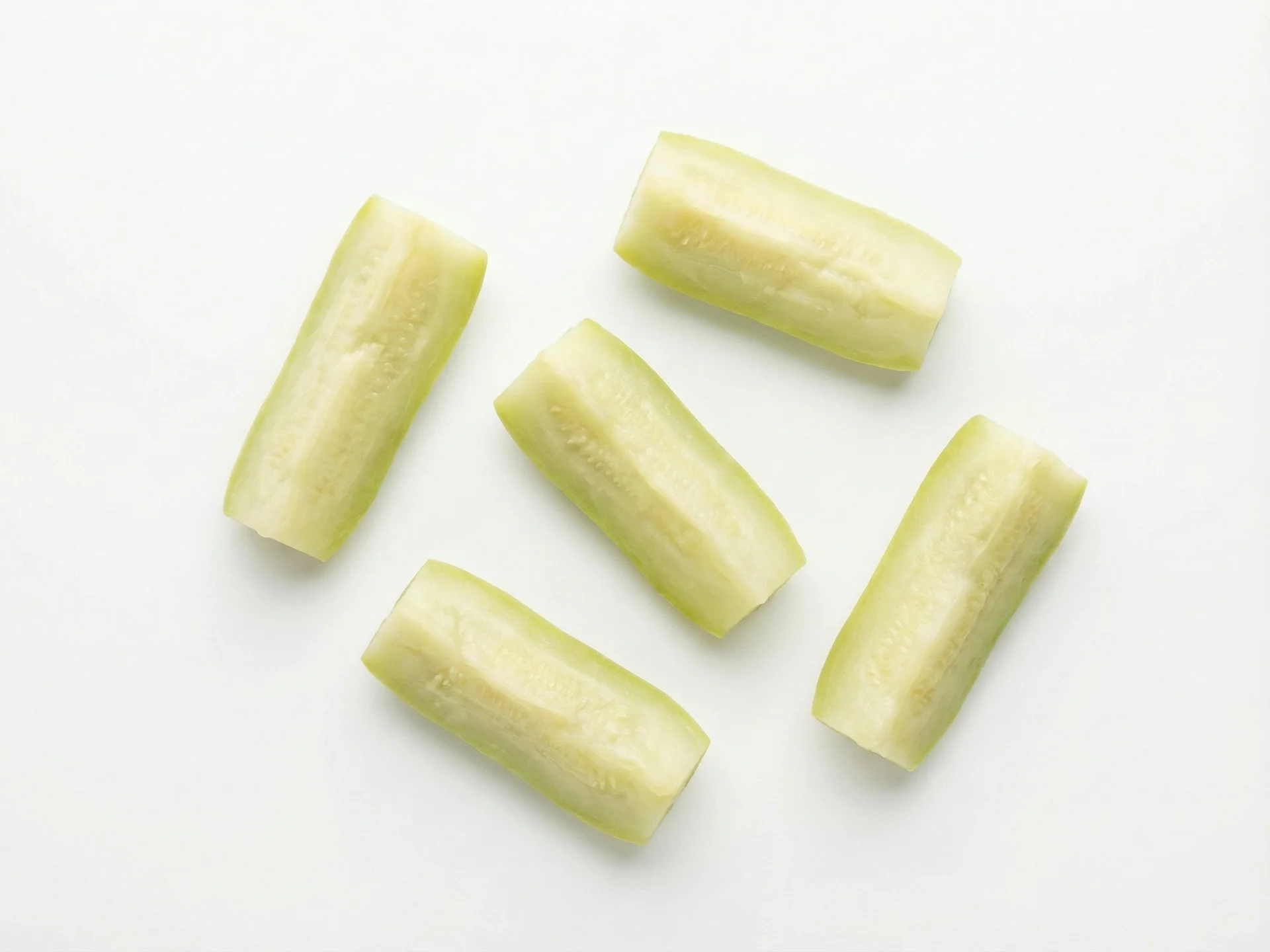
Steam or roast zucchini until very soft (easily mashed between fingers). Cut into long, thick spears (about 2-3 inches long and 1 inch wide) that baby can grasp in a fist with part sticking out. The soft texture allows gumming and mashing.
6 to 9 months

Steam or roast zucchini until very soft (easily mashed between fingers). Cut into long, thick spears (about 2-3 inches long and 1 inch wide) that baby can grasp in a fist with part sticking out. The soft texture allows gumming and mashing.

  • Choose medium-sized zucchinis for easier grasping
  • Steam for 8-10 minutes until fork-tender
  • Let cool completely before serving
  • Leave skin on for better grip
  • Test softness by pressing between your fingers
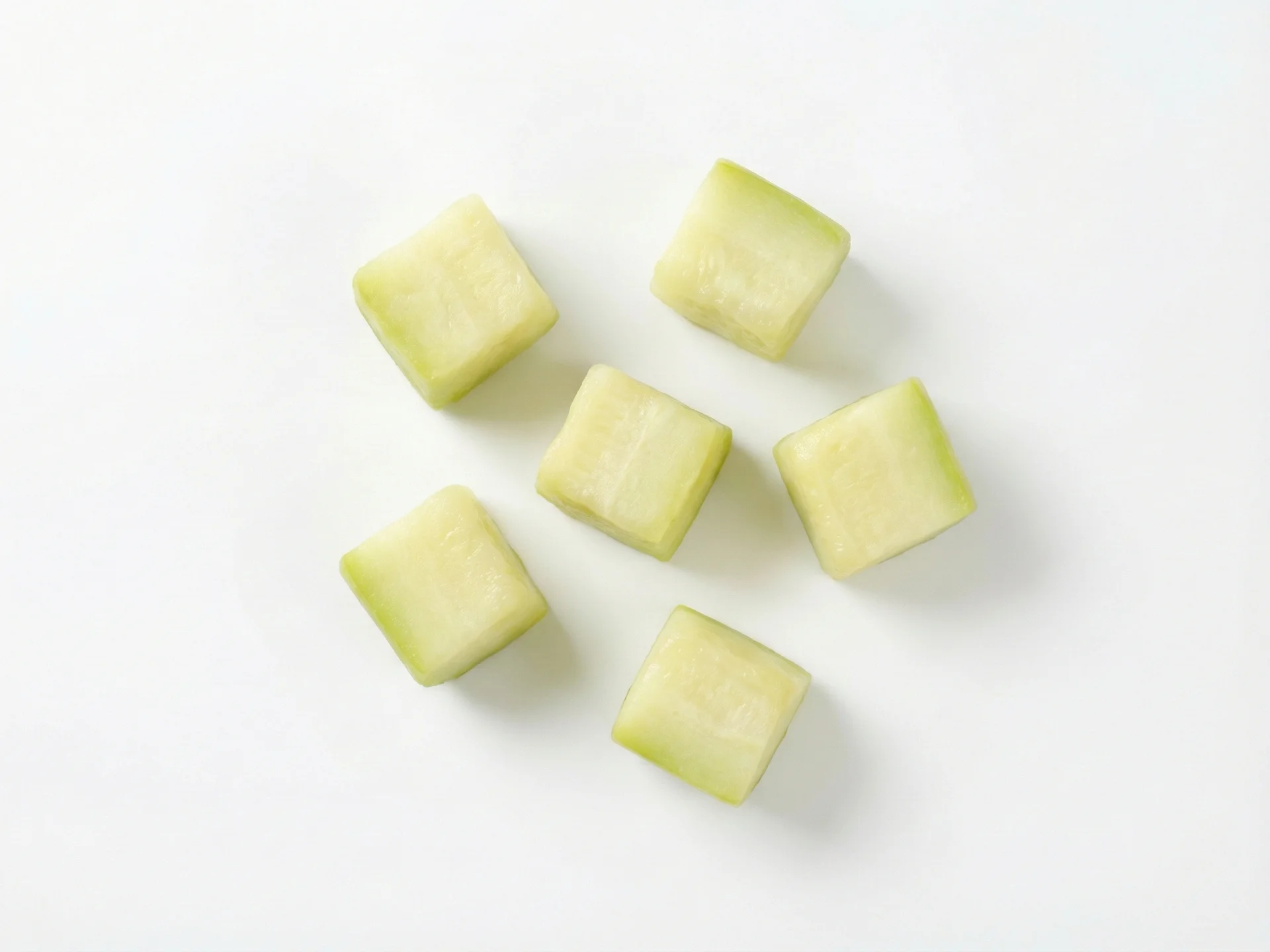
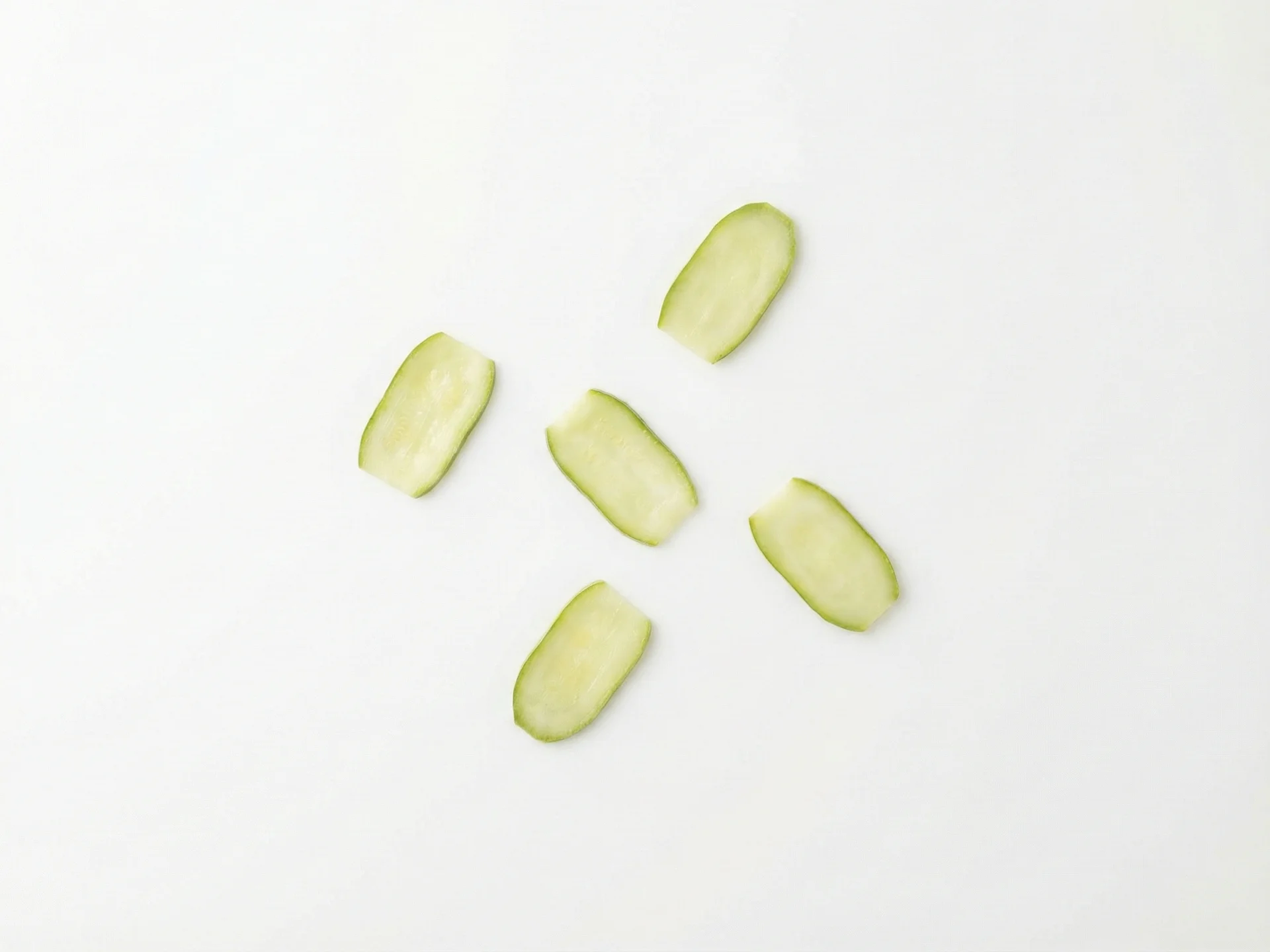
Cook until soft but slightly firmer than for younger babies. Cut into bite-sized pieces (about 1/2 inch cubes) or thin slices that baby can practice picking up with developing pincer grasp. You can also grate cooked zucchini into other foods.
9 to 12 months

Cook until soft but slightly firmer than for younger babies. Cut into bite-sized pieces (about 1/2 inch cubes) or thin slices that baby can practice picking up with developing pincer grasp. You can also grate cooked zucchini into other foods.

  • Roast with olive oil for enhanced flavor
  • Mix grated zucchini into scrambled eggs or meatballs
  • Offer both spears and small pieces for variety
  • Include in mixed vegetable medleys
  • Try baking zucchini into soft muffins
Offer raw zucchini in very thin slices or grated, or cooked to preferred tenderness. Incorporate into family meals like stir-fries, pasta dishes, or as a side vegetable. Continue to monitor for safe chewing.
12 months +

Offer raw zucchini in very thin slices or grated, or cooked to preferred tenderness. Incorporate into family meals like stir-fries, pasta dishes, or as a side vegetable. Continue to monitor for safe chewing.

  • Introduce raw zucchini in paper-thin slices
  • Spiralize for fun 'zoodles'
  • Stuff with ground meat or rice mixtures
  • Add to soups and stews
  • Encourage self-feeding with utensils

Safety & allergens

Choking risk: Low

Zucchini has a low choking risk when prepared appropriately. For young babies, always cook until very soft and puree or mash thoroughly. As they get older, you can offer soft-cooked, small pieces that they can easily gum.

Not a common allergen

Zucchini is not a top allergen. As with any new food, offer it on its own and watch for any reaction.

Vitamins & minerals

Zucchini provides key nutrients for your baby's development. Its vitamin A supports healthy vision and immune function[1], while vitamin C helps with iron absorption and boosts immunity[2]. The potassium in zucchini helps maintain healthy fluid balance and supports nerve function[3], and magnesium contributes to bone health and energy production[4].

Vitamins
Vitamin VITAMIN AVitamin VITAMIN CVitamin VITAMIN B6Vitamin VITAMIN B9
Minerals
PotassiumMagnesiumManganese