FoodsVegetableSpaghetti squash
Spaghetti squash

Vegetable

Spaghetti squash

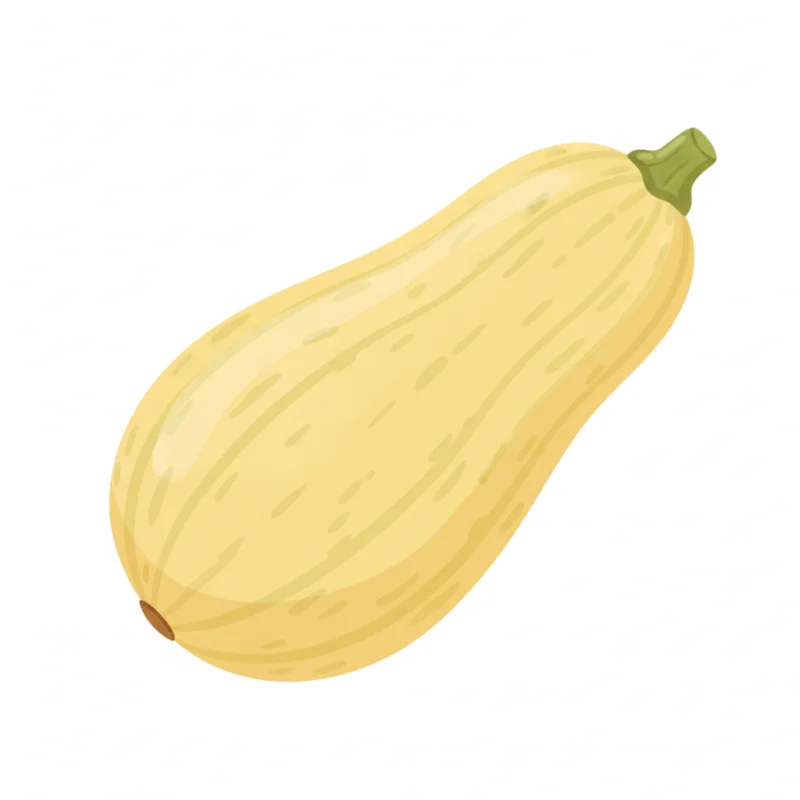
Spaghetti squash is a wonderful first food for babies with its mild, slightly sweet flavor and unique stringy texture that's fun to explore. It's packed with nutrients that support your baby's growth, including vitamin A for healthy vision[1] and vitamin C to boost their immune system[2]. The soft, cooked strands are easy for little gums to mash, making it a great introduction to textured foods.

6m+Not a common allergenChoking risk: Low
First age6m+
CategoryVegetable
Common allergenNo
Choking riskLow

When can babies eat Spaghetti squash?

You can introduce spaghetti squash around 6 months when your baby shows readiness for solids. It's a gentle vegetable that's easy to digest and unlikely to cause reactions.

How to serve Spaghetti squash by age

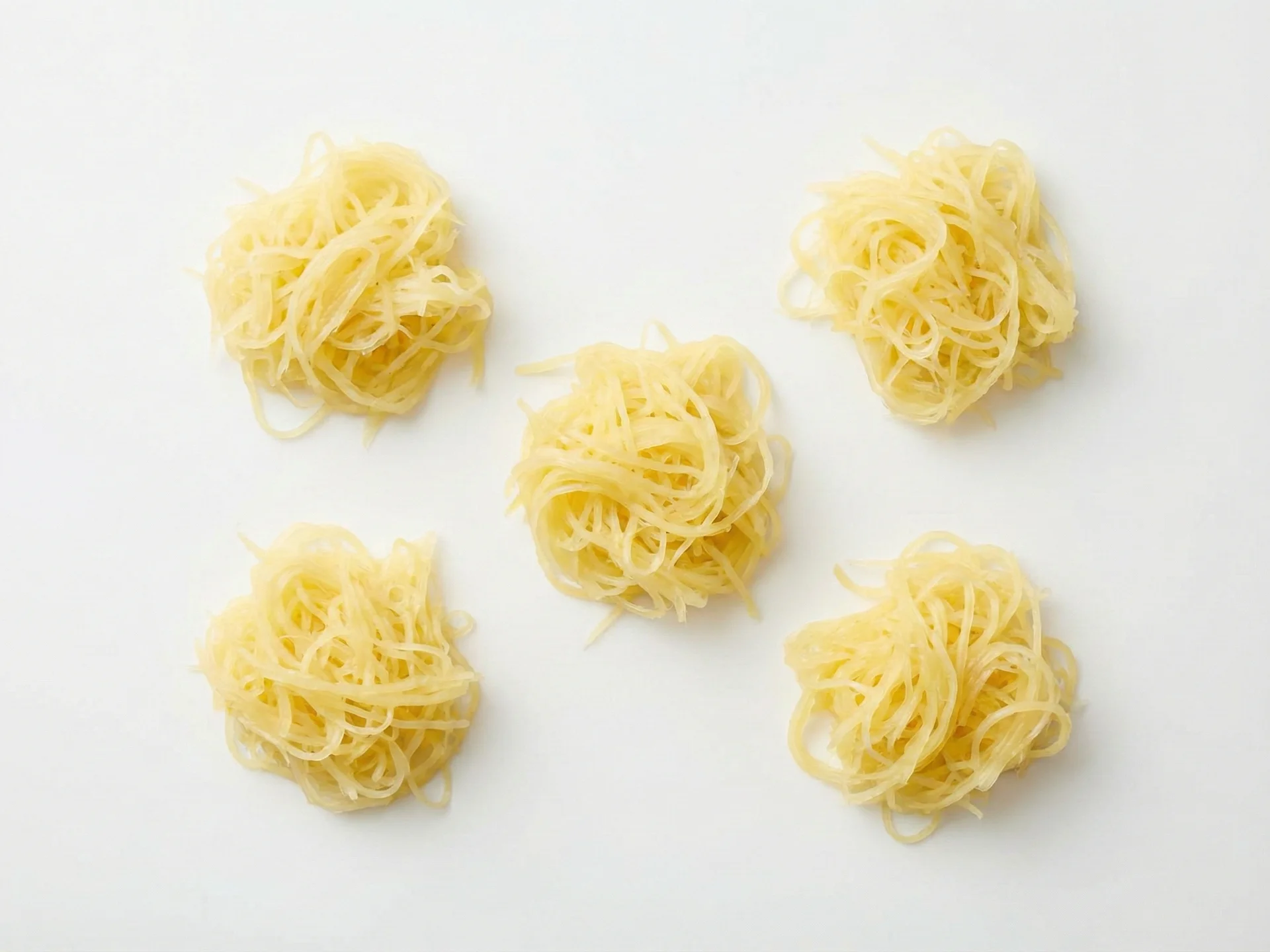
For beginners, cook spaghetti squash until very tender, then scrape out the strands. Serve in loose clumps on the tray or in a suction bowl. The strands should be soft enough to mash easily—offer large handful-sized portions so babies can grab fistfuls.
6 to 9 months

For beginners, cook spaghetti squash until very tender, then scrape out the strands. Serve in loose clumps on the tray or in a suction bowl. The strands should be soft enough to mash easily—offer large handful-sized portions so babies can grab fistfuls.

  • Bake or steam whole squash until fork-tender
  • Scrape strands with a fork—they'll naturally separate
  • Serve at room temperature to avoid burns
  • Mix with a little olive oil for easier grasping
  • Offer alongside other soft foods like avocado
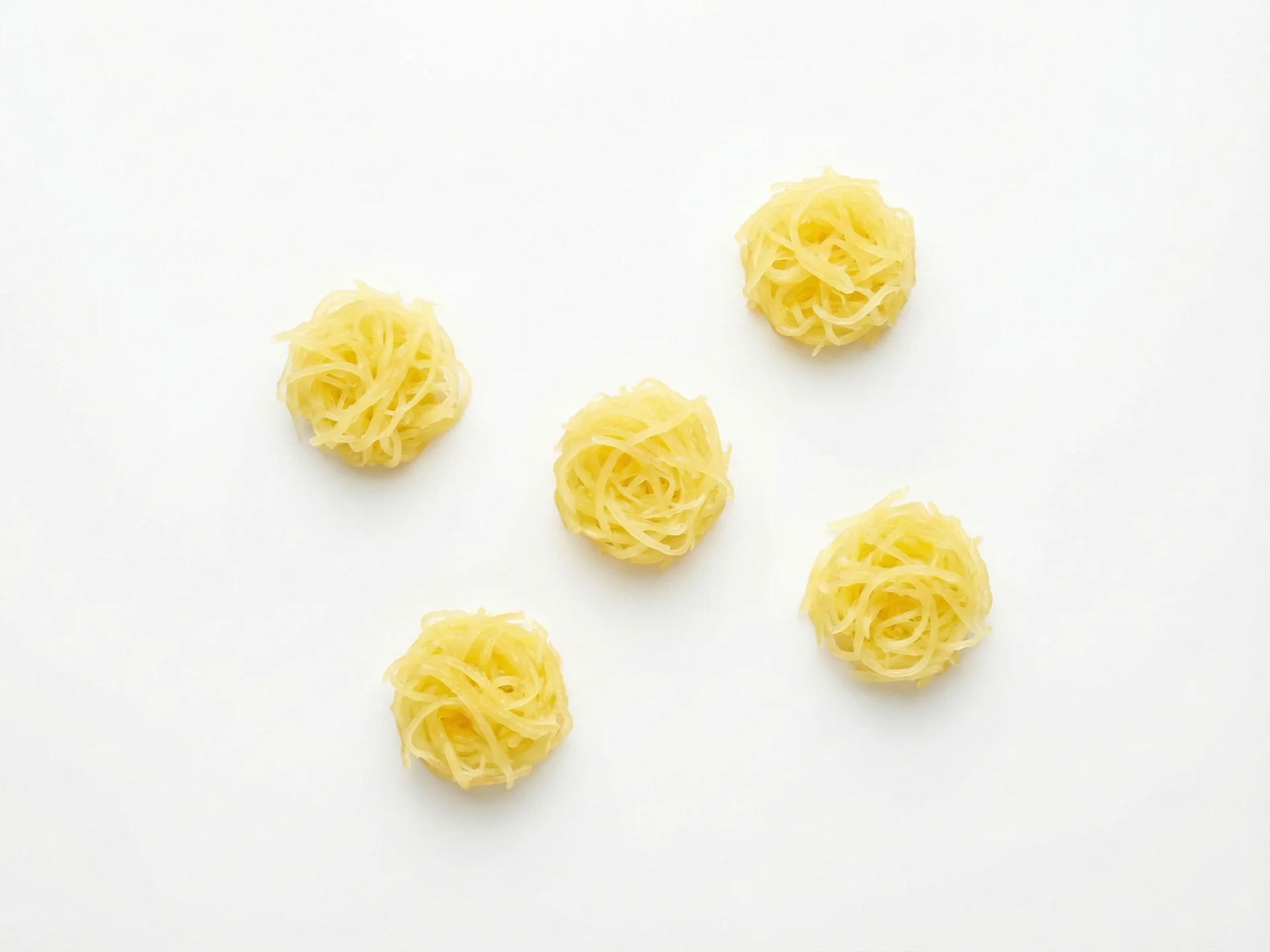
As babies develop their pincer grasp, you can serve shorter strands or smaller clumps. Mix with other foods to create balanced meals. Cooked squash can be mashed slightly for younger babies in this range or left in longer strands for older ones to practice twirling.
9 months +

As babies develop their pincer grasp, you can serve shorter strands or smaller clumps. Mix with other foods to create balanced meals. Cooked squash can be mashed slightly for younger babies in this range or left in longer strands for older ones to practice twirling.

  • Cut strands into 1-2 inch lengths for easier handling
  • Mix with protein sources like shredded chicken or beans
  • Use as a base for 'baby pasta bowls' with vegetables
  • Freeze cooked squash in ice cube trays for quick meals
  • Toast seeds (for parents) and save squash shells as natural bowls

Safety & allergens

Choking risk: Low

Spaghetti squash has a low choking risk when properly prepared. For babies under 12 months, cook until very soft and serve as a puree or mash the strands well. The natural stringy texture can be managed by ensuring it's cooked soft enough to easily squish between your fingers.

Not a common allergen

Spaghetti squash is not a top allergen. As with any new food, offer it on its own and watch for any reaction.

Vitamins & minerals

Spaghetti squash provides important nutrients for your baby's development. It contains vitamin A which supports healthy vision and immune function[1], and vitamin C that helps with iron absorption and immune health[2]. The potassium and magnesium in spaghetti squash contribute to healthy nerve and muscle function[3], while vitamin B6 and folate (vitamin B9) support brain development[4].

Vitamins
Vitamin VITAMIN AVitamin VITAMIN CVitamin VITAMIN B6Vitamin VITAMIN B9
Minerals
PotassiumMagnesiumManganese