FoodsVegetableFennel
Fennel

Vegetable

Fennel

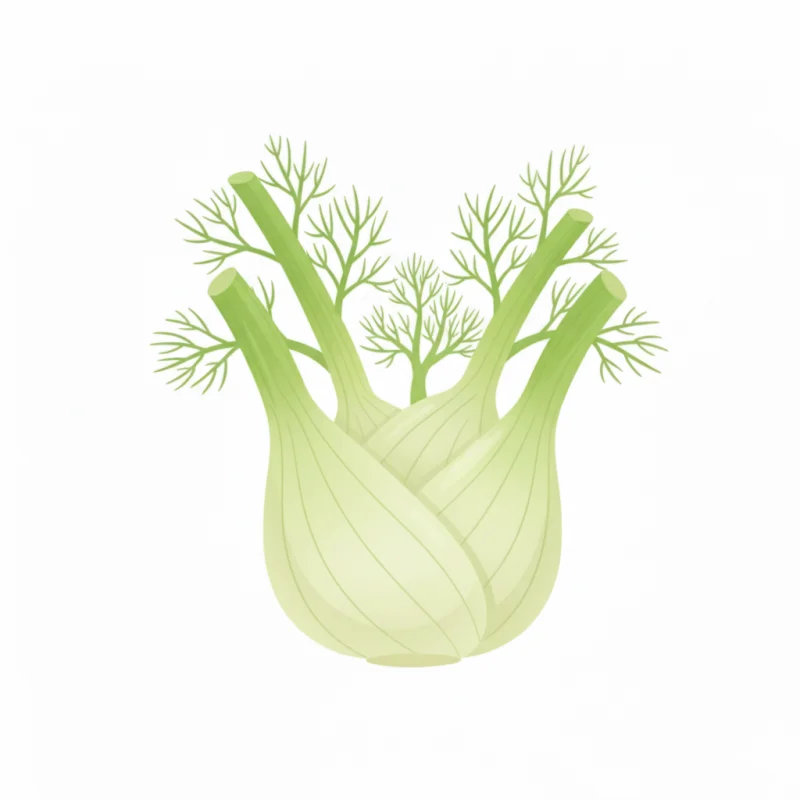
Fennel is a wonderful first vegetable for babies with its mild, slightly sweet licorice-like flavor and soft texture when cooked. It's packed with nutrients that support your baby's growth, including vitamin C for immune health[1] and fiber to aid digestion[2]. Many parents find its gentle taste helps babies transition to solids smoothly.

6m+Not a common allergenChoking risk: Low
First age6m+
CategoryVegetable
Common allergenNo
Choking riskLow

When can babies eat Fennel?

Fennel can be introduced around 6 months when your baby starts solids, as it's easy to digest and rarely causes allergies. It's a great option to include in your baby's early vegetable rotation.

How to serve Fennel by age

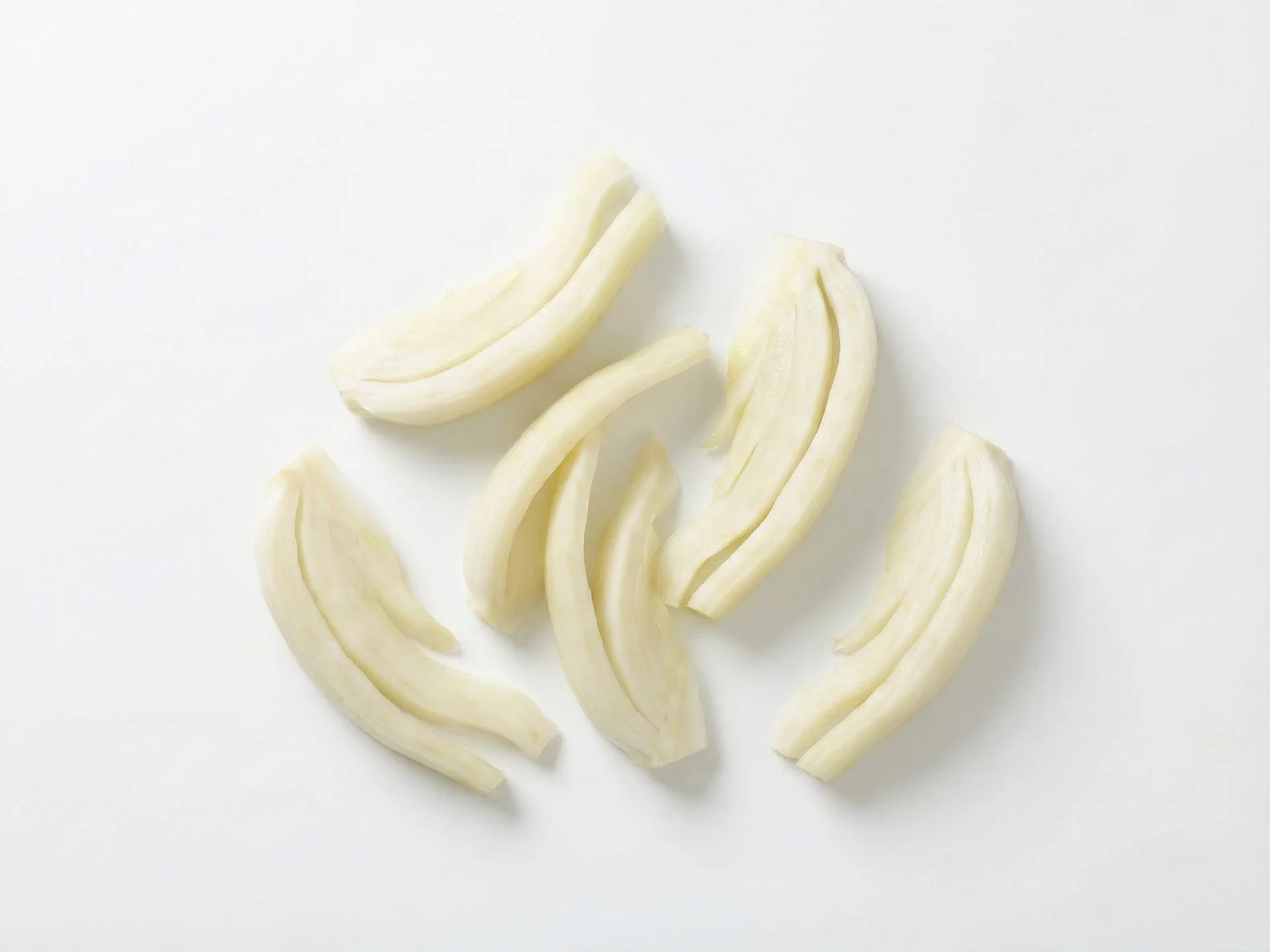
For babies 6-9 months, cook fennel until very soft by steaming, roasting, or boiling, then cut it into large, graspable strips about the size of an adult finger. This allows your baby to hold it easily and gnaw on it safely, promoting self-feeding skills.
6 to 9 months

For babies 6-9 months, cook fennel until very soft by steaming, roasting, or boiling, then cut it into large, graspable strips about the size of an adult finger. This allows your baby to hold it easily and gnaw on it safely, promoting self-feeding skills.

  • Steam fennel for 10-15 minutes until tender when pierced with a fork.
  • Avoid adding salt or sugar; let your baby experience the natural flavor.
  • Test the texture by squishing it between your fingers to ensure it's soft enough.
  • Serve it warm, not hot, to prevent burns.
  • Offer one piece at a time to prevent overloading.
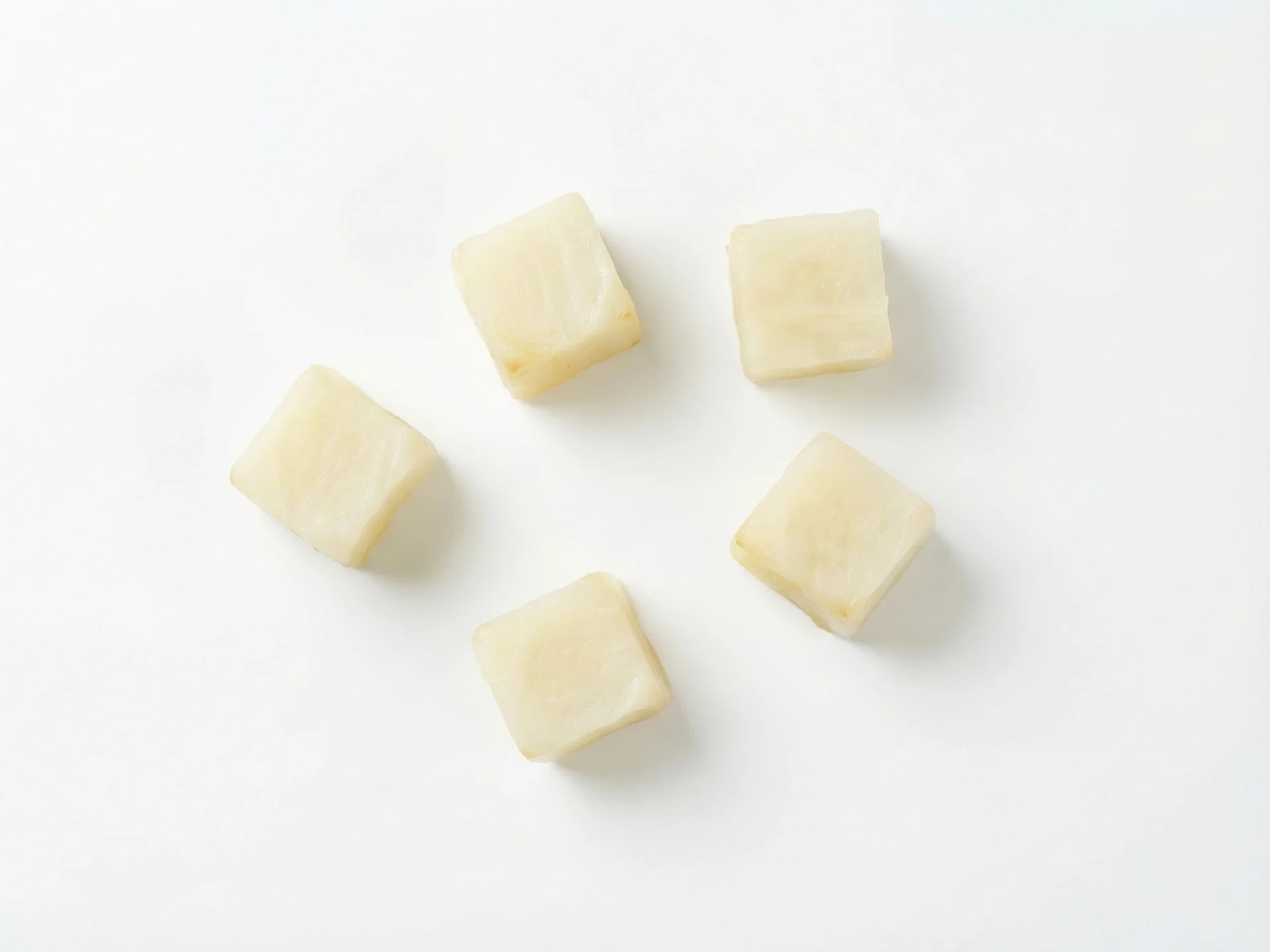
For babies 9 months and up, you can offer fennel in smaller, bite-sized pieces as their pincer grasp develops. Continue cooking it until soft, but you can also introduce slightly firmer textures to encourage chewing practice as they grow.
9 months +

For babies 9 months and up, you can offer fennel in smaller, bite-sized pieces as their pincer grasp develops. Continue cooking it until soft, but you can also introduce slightly firmer textures to encourage chewing practice as they grow.

  • Cut cooked fennel into small cubes or thin slices for easier picking up.
  • Mix it into dishes like mashed potatoes or grain bowls to add flavor and nutrients.
  • Try roasting fennel with a drizzle of olive oil for a caramelized taste.
  • Monitor your baby closely as they handle smaller pieces to ensure safe eating.
  • Experiment with herbs like dill or parsley to introduce new flavors.

Safety & allergens

Choking risk: Low

Fennel has a low choking risk when properly prepared. For young babies, always cook until very soft and puree or mash thoroughly. As babies get older, you can offer small, soft-cooked pieces that easily squish between your fingers.

Not a common allergen

Fennel is not a top allergen. As with any new food, offer it on its own and watch for any reaction.

Vitamins & minerals

Fennel provides important nutrients for your growing baby. It contains vitamin C which helps absorb iron from other foods[3], and potassium which supports healthy muscle function[4]. The fiber in fennel can help prevent constipation, a common concern when starting solids[2].

Vitamins
Vitamin VITAMIN CVitamin VITAMIN AVitamin VITAMIN KVitamin VITAMIN B9
Minerals
PotassiumCalciumIronMagnesium