FoodsVegetableCollard greens
Collard greens

Vegetable

Collard greens

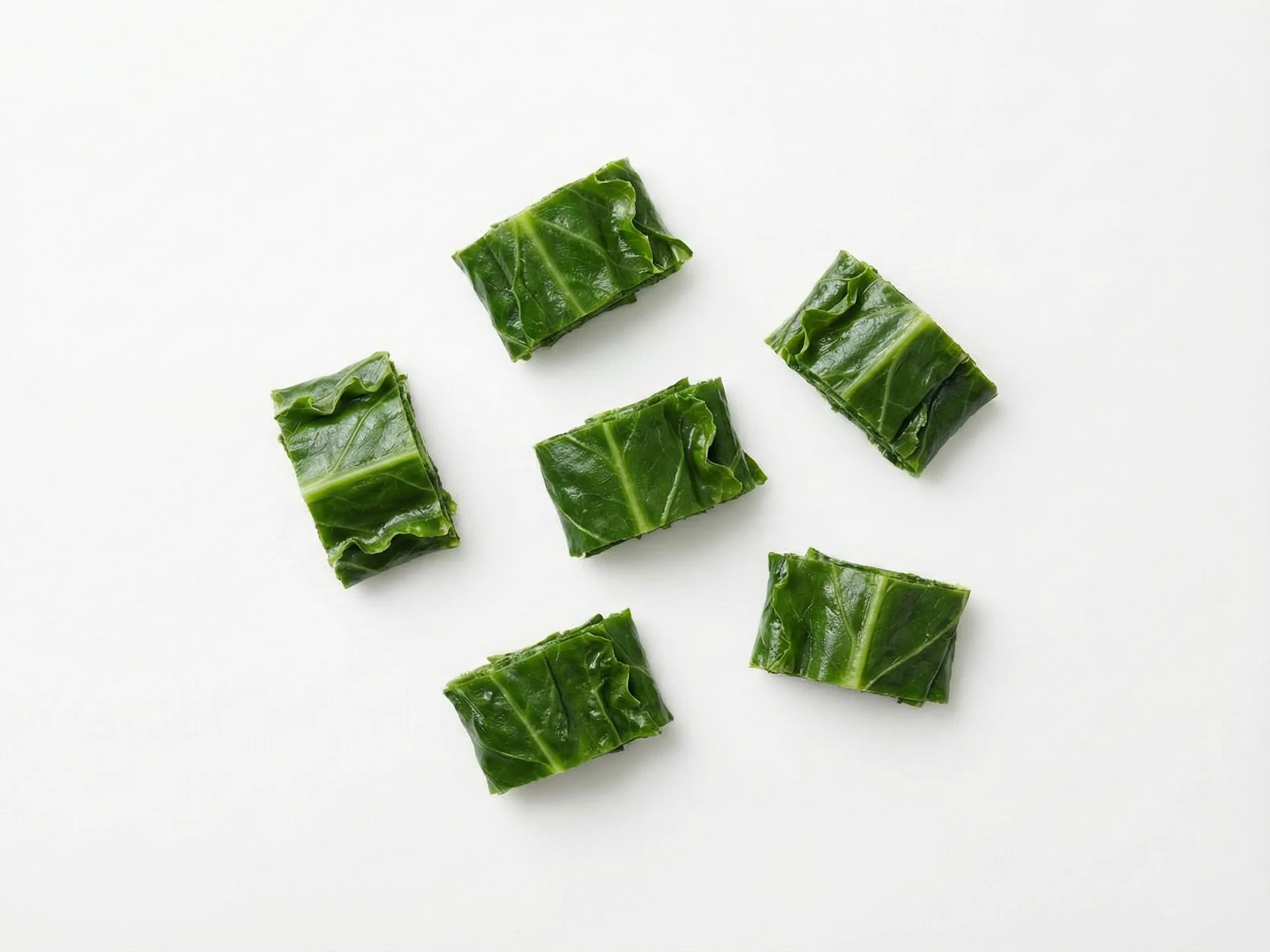
Collard greens are a wonderful leafy green to introduce to your baby, offering a mild, slightly earthy flavor that can help expand their palate. They're packed with nutrients that support your baby's growth and development, including vitamin A for healthy vision[1], vitamin C for immune support[2], and vitamin K for proper blood clotting[3]. Their tender texture when cooked makes them easy for little ones to enjoy.

6m+Not a common allergenChoking risk: Low
First age6m+
CategoryVegetable
Common allergenNo
Choking riskLow

When can babies eat Collard greens?

You can introduce collard greens around 6 months when starting solids, as they're easy to cook and puree to a smooth consistency. Many parents find they work well alongside other first foods like sweet potato or avocado.

How to serve Collard greens by age

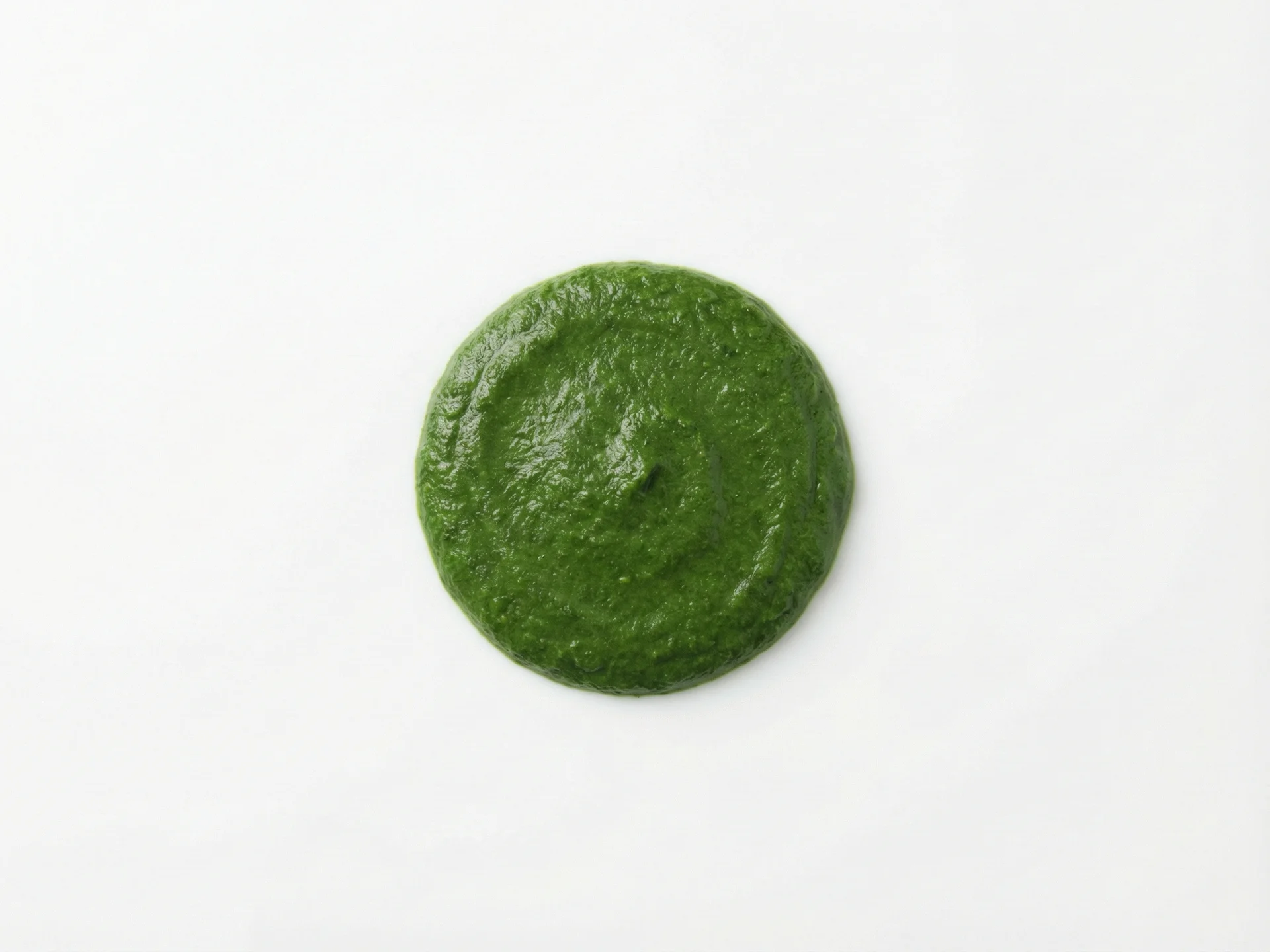
For babies 6-9 months, cook collard greens until very soft and tender, then mash or finely chop them to a smooth or slightly textured consistency. This helps prevent choking and makes it easier for your baby to swallow. You can mix the mashed greens with other purees or serve them alone on a pre-loaded spoon.
6 to 9 months

For babies 6-9 months, cook collard greens until very soft and tender, then mash or finely chop them to a smooth or slightly textured consistency. This helps prevent choking and makes it easier for your baby to swallow. You can mix the mashed greens with other purees or serve them alone on a pre-loaded spoon.

  • Steam or boil the leaves for 10-15 minutes until they fall apart easily.
  • Remove any tough stems before cooking to reduce fibrous texture.
  • Mash with a fork or blend briefly for a smoother consistency.
  • Mix with breast milk, formula, or a bit of olive oil to add moisture and healthy fats.
  • Offer small amounts initially to gauge your baby's interest and tolerance.
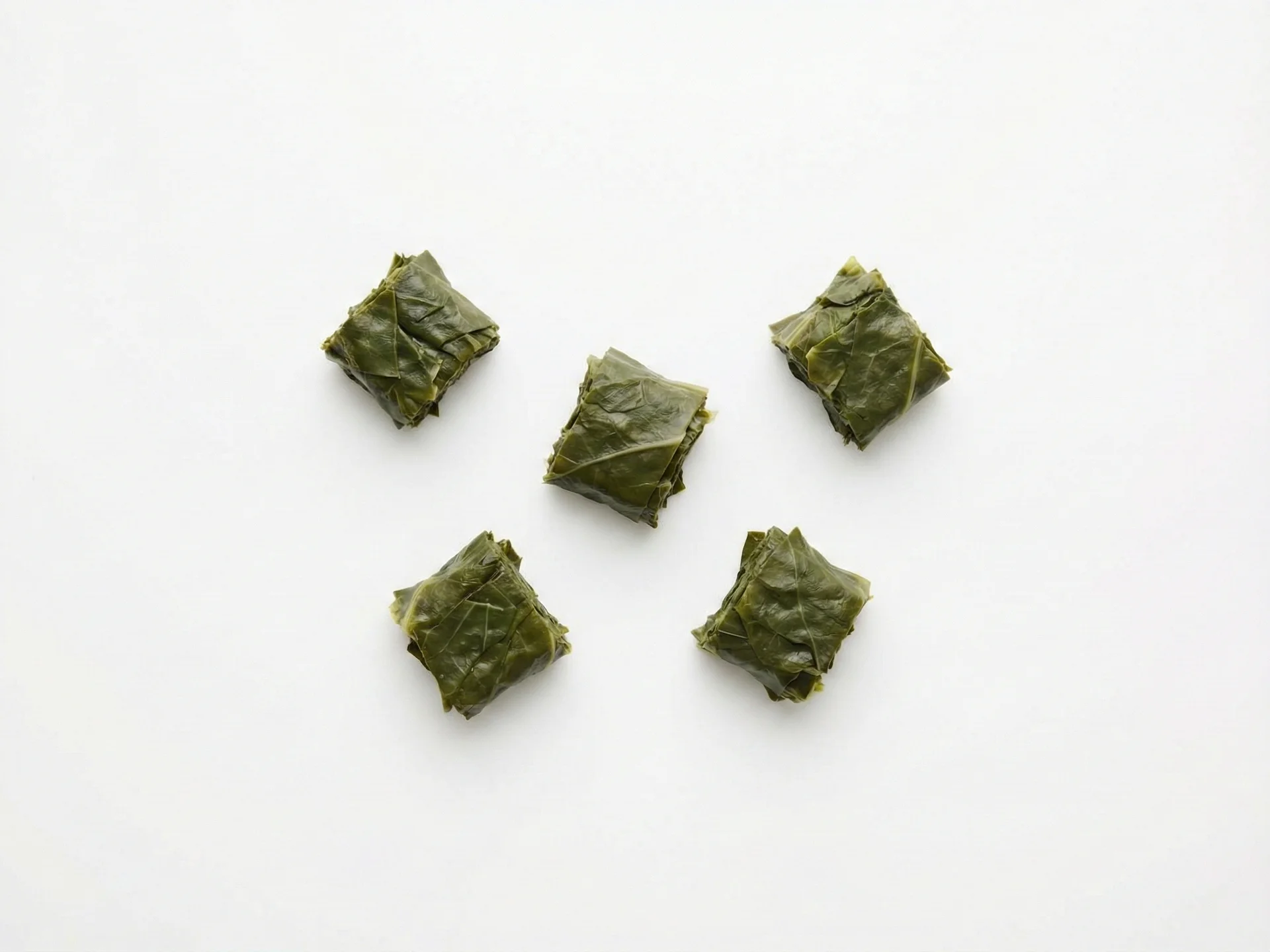
For babies 9-12 months, cook collard greens until soft but leave them in larger, manageable pieces that your baby can pick up with their fingers. Cut the cooked leaves into strips or small, bite-sized chunks to encourage self-feeding and fine motor skills. Ensure the pieces are soft enough to gum easily.
9 to 12 months

For babies 9-12 months, cook collard greens until soft but leave them in larger, manageable pieces that your baby can pick up with their fingers. Cut the cooked leaves into strips or small, bite-sized chunks to encourage self-feeding and fine motor skills. Ensure the pieces are soft enough to gum easily.

  • Sauté with a little olive oil and garlic for added flavor, but avoid salt.
  • Cut cooked leaves into strips about the size of your finger for easy grasping.
  • Combine with soft foods like beans or cooked grains to make a more substantial meal.
  • Let your baby explore the texture and practice picking up the pieces independently.
  • Monitor closely to ensure they are chewing and swallowing safely.
For toddlers 12 months and up, collard greens can be served in more varied ways, such as in soups, stews, or as a side dish. Cook until tender but not mushy, and cut into age-appropriate sizes. You can also introduce lightly seasoned dishes to expand their taste preferences, but continue to avoid added salt and ensure pieces are not too large.
12 months +

For toddlers 12 months and up, collard greens can be served in more varied ways, such as in soups, stews, or as a side dish. Cook until tender but not mushy, and cut into age-appropriate sizes. You can also introduce lightly seasoned dishes to expand their taste preferences, but continue to avoid added salt and ensure pieces are not too large.

  • Incorporate collard greens into family meals like stir-fries or pasta dishes.
  • Chop into small pieces and add to omelets or casseroles for extra nutrition.
  • Encourage self-feeding with utensils as your toddler's skills develop.
  • Offer a variety of preparations to keep meals interesting and nutritious.
  • Continue to cook until soft to minimize any remaining choking risk.

Safety & allergens

Choking risk: Low

Collard greens are low choking risk when properly prepared. For babies under 9 months, always cook until very soft and puree or mash completely. For older babies, you can finely chop cooked greens to avoid stringy pieces that could pose a risk.

Not a common allergen

Collard greens is not a top allergen. As with any new food, offer it on its own and watch for any reaction.

Vitamins & minerals

Collard greens provide important nutrients for your growing baby. They're an excellent source of vitamin A, which supports healthy vision and immune function[1]. The vitamin C content helps with iron absorption[4] and immune health[2], while the calcium and vitamin K contribute to strong bone development[3][5]. The iron content supports healthy blood cell formation[6].

Vitamins
Vitamin VITAMIN AVitamin VITAMIN CVitamin VITAMIN KVitamin VITAMIN B9
Minerals
CalciumIronMagnesiumPotassium