FoodsVegetableArtichoke
Artichoke

Vegetable

Artichoke

Artichoke is a unique and nutritious vegetable that can be a wonderful addition to your baby's diet. It has a mild, slightly sweet flavor and a soft, creamy texture when cooked, making it appealing for little ones. Rich in fiber and antioxidants, artichoke supports healthy digestion and provides essential vitamins and minerals for growing babies.[1]

6m+Not a common allergenChoking risk: Low
First age6m+
CategoryVegetable
Common allergenNo
Choking riskLow

When can babies eat Artichoke?

You can introduce artichoke around 6 months when starting solids, as long as it's cooked until very soft and mashed or pureed to a smooth consistency suitable for your baby's age.

How to serve Artichoke by age

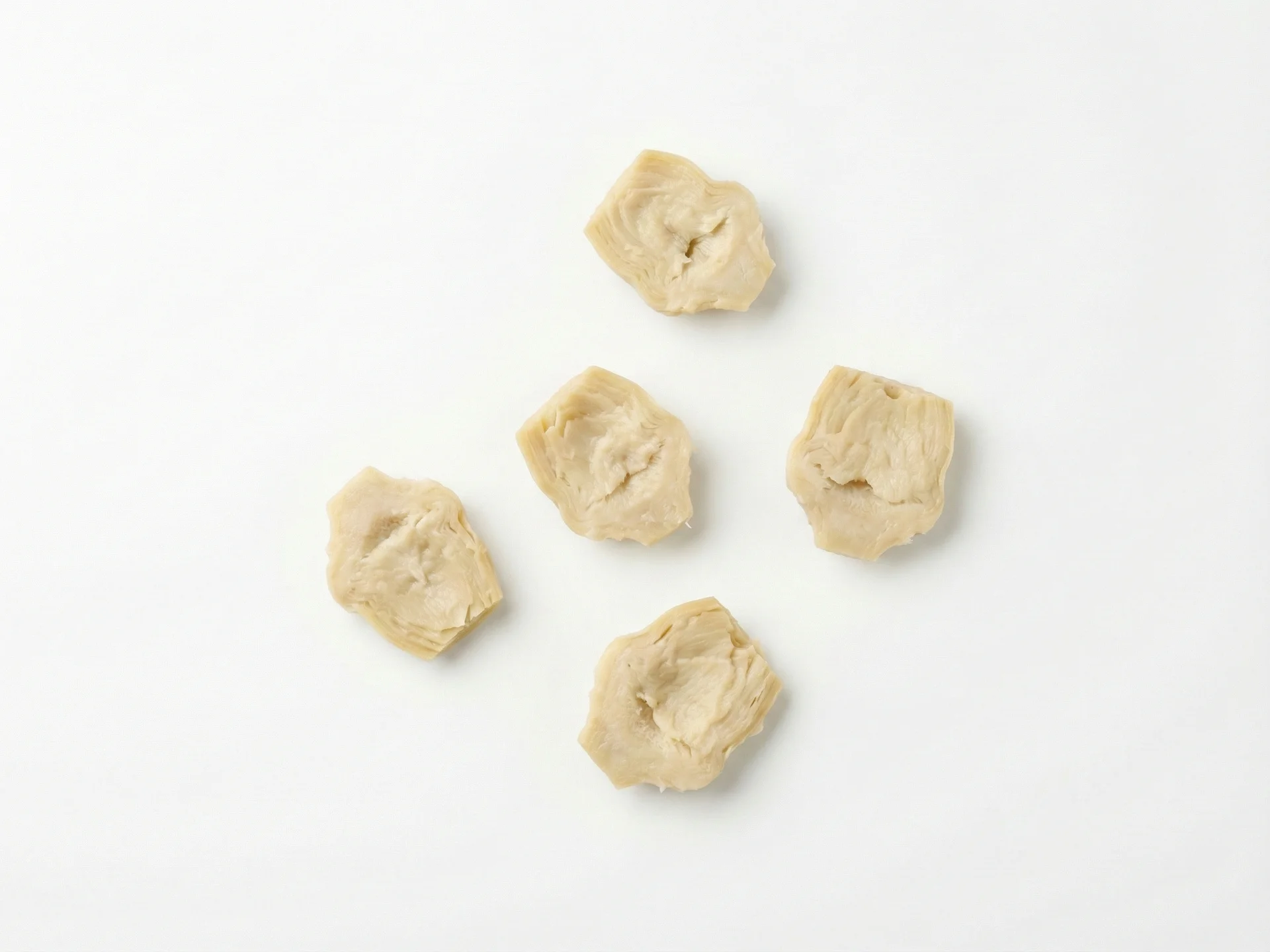
For babies 6-9 months, steam or boil artichokes until very soft and mashable. Remove all leaves and the fuzzy choke, then mash the heart into a smooth purée or serve as soft, flattened pieces that your baby can gum easily. Avoid large chunks to reduce choking risk.
6 to 9 months

For babies 6-9 months, steam or boil artichokes until very soft and mashable. Remove all leaves and the fuzzy choke, then mash the heart into a smooth purée or serve as soft, flattened pieces that your baby can gum easily. Avoid large chunks to reduce choking risk.

  • Steam whole artichokes for 30-40 minutes until tender
  • Test softness by pressing with a fork—it should mash easily
  • Serve mashed with a spoon or as finger-sized strips
  • Mix with breast milk or formula for a smoother texture
  • Always supervise your baby during meals
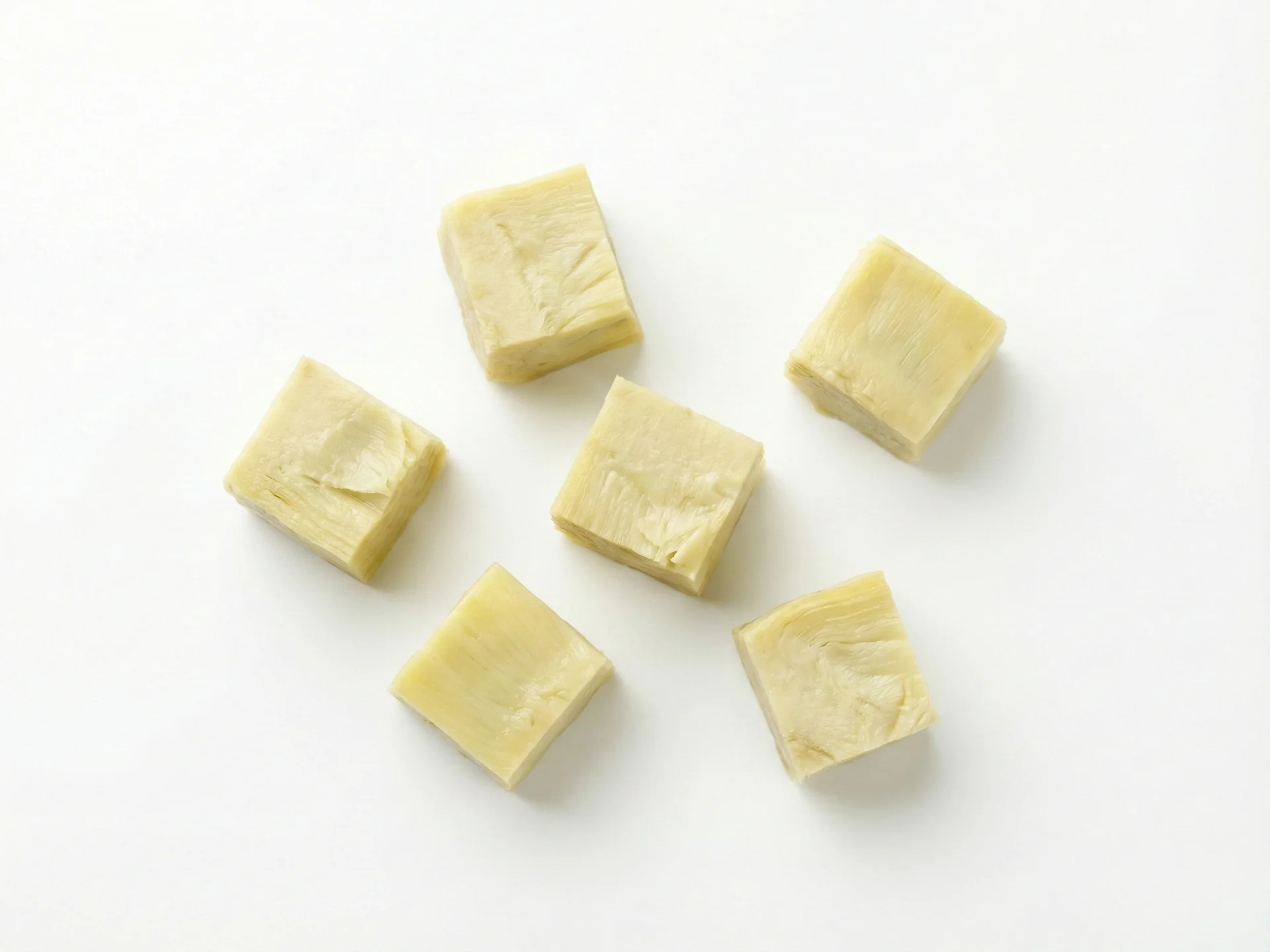
For babies 9 months and up, artichokes can be served as soft, bite-sized pieces or mashed. Cook until tender, remove the choke, and cut the heart into small cubes or strips that your baby can pick up. You can also incorporate them into mixed dishes like pasta or veggie blends.
9 months +

For babies 9 months and up, artichokes can be served as soft, bite-sized pieces or mashed. Cook until tender, remove the choke, and cut the heart into small cubes or strips that your baby can pick up. You can also incorporate them into mixed dishes like pasta or veggie blends.

  • Chop cooked artichoke hearts into pea-sized pieces
  • Combine with other soft vegetables for variety
  • Use in recipes like artichoke dips or mixed purées
  • Encourage self-feeding with safe, grippable shapes
  • Continue to avoid tough leaves and fibrous parts

Safety & allergens

Choking risk: Low

Artichoke is low choking risk when prepared properly. Always cook it until very soft and mash or puree it for younger babies. For older babies, you can offer small, soft pieces, but avoid any tough or fibrous parts like the leaves' tips or the fuzzy choke center.

Not a common allergen

Artichoke is not a top allergen. As with any new food, offer it on its own and watch for any reaction.

Vitamins & minerals

Artichoke is packed with nutrients that benefit your baby's health. It's an excellent source of fiber, which promotes healthy digestion and can help prevent constipation.[2] The vitamin C in artichoke supports immune function and enhances iron absorption, while vitamin K is important for bone health and blood clotting.[3][4]

Vitamins
Vitamin VITAMIN CVitamin VITAMIN KVitamin VITAMIN B9Vitamin VITAMIN B3
Minerals
PotassiumMagnesiumPhosphorusIronCopper