
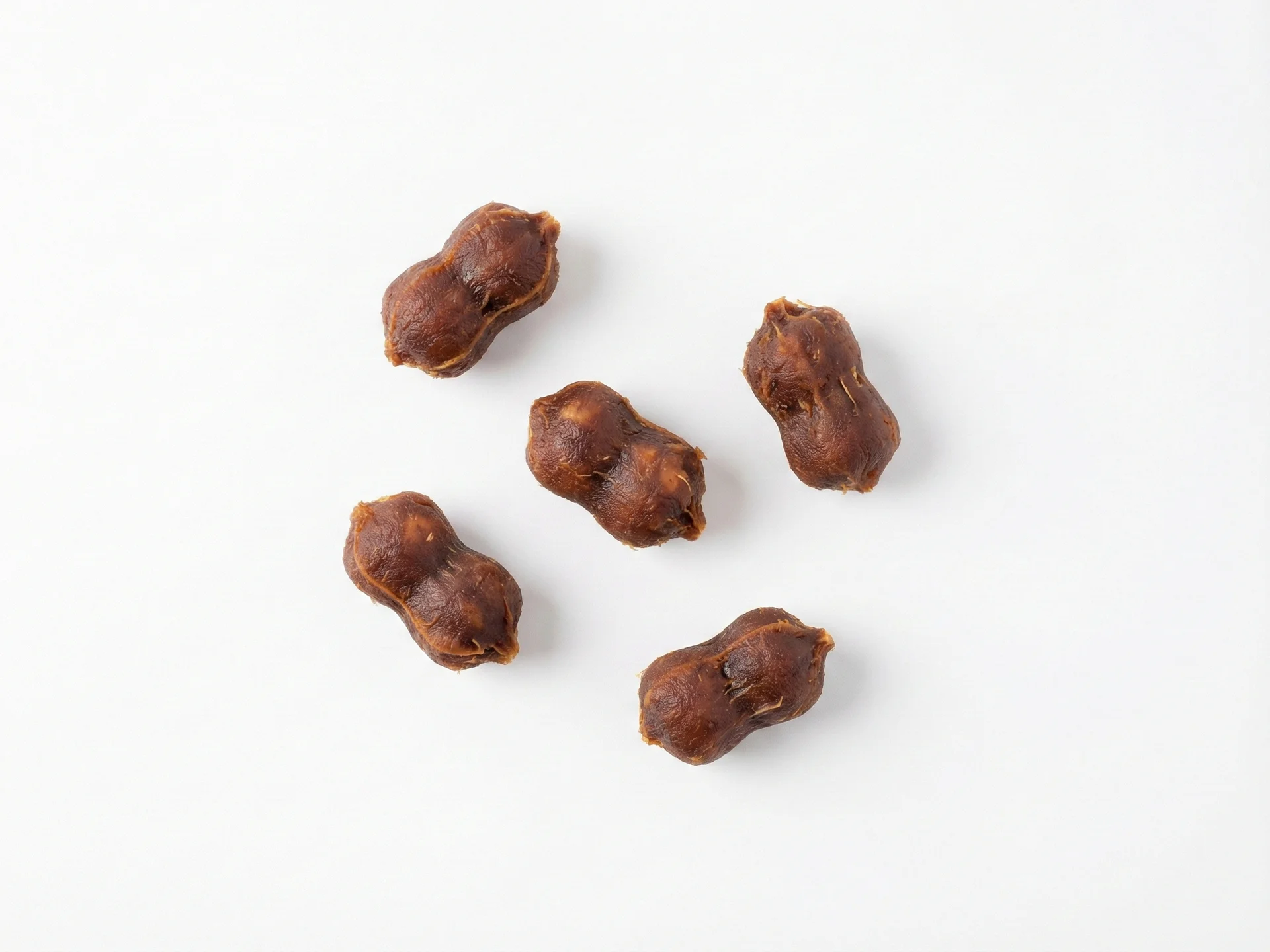
FoodsFruitTamarind
Tamarind

Fruit

Tamarind

Tamarind is a unique, tangy-sweet tropical fruit that can be a fun new flavor for your baby to explore. Its pulp is rich in fiber, which can help support healthy digestion, and it contains important vitamins and minerals that contribute to your baby's growth.[2][3] The distinctive taste might surprise your little one at first, but many babies enjoy its interesting flavor profile.

6m+Not a common allergenChoking risk: Low
First age6m+
CategoryFruit
Common allergenNo
Choking riskLow

When can babies eat Tamarind?

You can introduce tamarind around 6 months when starting solids, as with most fruits. It's best to offer it after your baby has tried a few simpler, single-ingredient foods first.

How to serve Tamarind by age

Remove the hard outer shell and all seeds, then offer small pieces of the soft pulp about the size of your baby's fingertip. You can also mash the pulp slightly and spread it on toast fingers or mix it into oatmeal. The texture should be soft enough to squish between your fingers.
8 to 12 months

Remove the hard outer shell and all seeds, then offer small pieces of the soft pulp about the size of your baby's fingertip. You can also mash the pulp slightly and spread it on toast fingers or mix it into oatmeal. The texture should be soft enough to squish between your fingers.

  • Start with just a teaspoon of tamarind pulp mixed with familiar foods
  • Offer on a pre-loaded spoon for self-feeding practice
  • Mix with sweeter fruits like mango or banana if your baby finds it too sour
  • Ensure all seeds are completely removed
  • Watch for any signs of digestive discomfort as fiber content is high
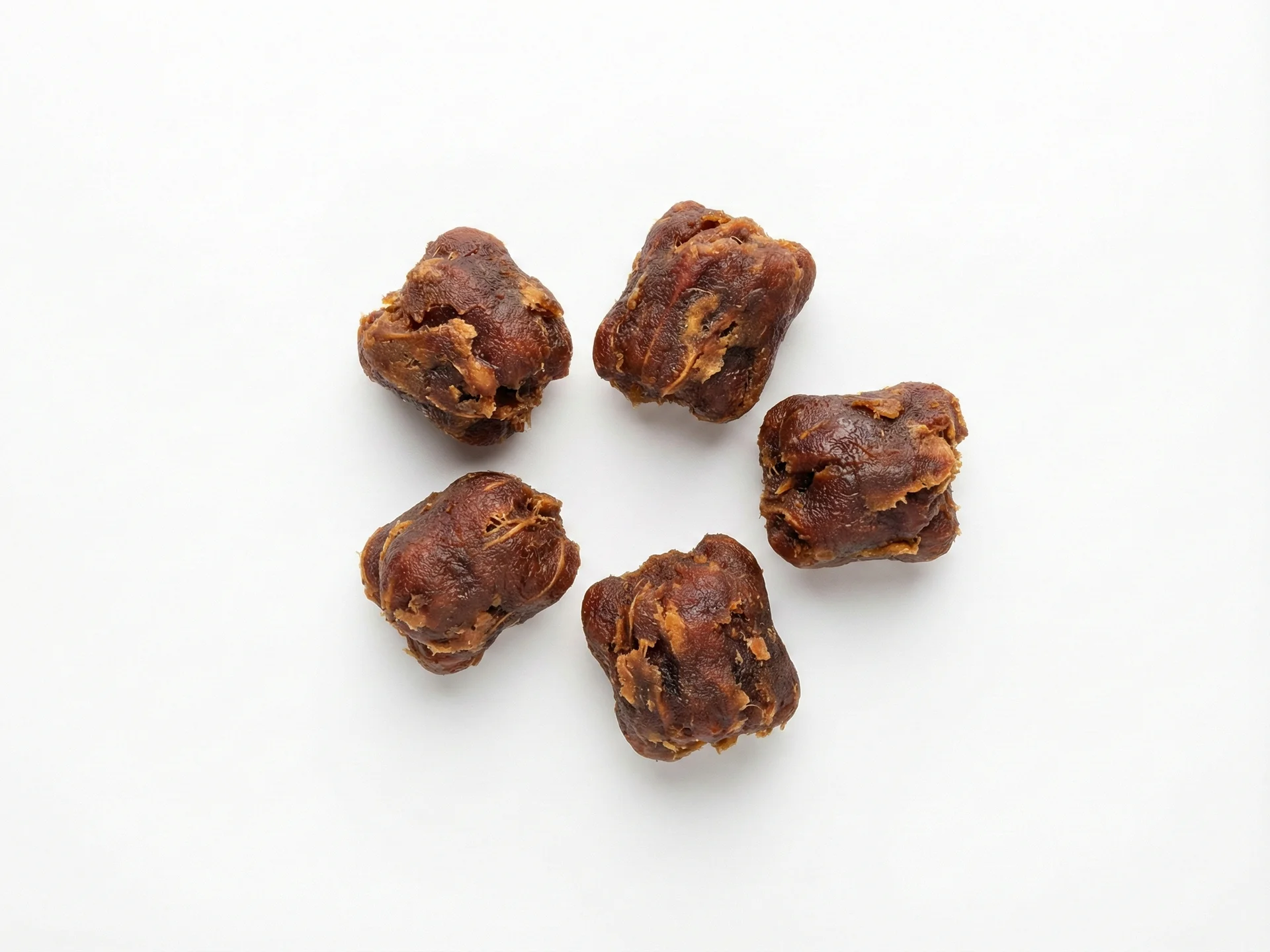
Offer larger pieces of the pulp or incorporate tamarind into family meals like curries, sauces, or marinades. Toddlers can handle more complex flavors and textures, so you can use tamarind paste in cooking or offer the pulp alongside other finger foods.
12 months +

Offer larger pieces of the pulp or incorporate tamarind into family meals like curries, sauces, or marinades. Toddlers can handle more complex flavors and textures, so you can use tamarind paste in cooking or offer the pulp alongside other finger foods.

  • Use tamarind paste to add flavor to rice, lentils, or vegetable dishes
  • Combine with coconut milk for a milder, creamier sauce
  • Offer as part of a balanced meal with protein and grains
  • Teach your toddler to spit out any remaining seeds if using whole tamarind
  • Monitor portion size as the sour flavor can be intense

Safety & allergens

Choking risk: Low

Tamarind pulp itself is soft and poses minimal choking risk when prepared appropriately. Always remove any seeds and fibrous strings before serving. For younger babies, mash or puree it thoroughly to ensure a smooth texture.

Not a common allergen

Tamarind is not a top allergen. As with any new food, offer it on its own and watch for any reaction.

Vitamins & minerals

Tamarind is a good source of potassium, which helps maintain proper fluid balance and supports healthy muscle and heart function in babies.[2] It also provides magnesium, important for bone development and energy metabolism,[4] and contains iron, which is crucial for healthy blood cells and cognitive development.[5] The vitamin C in tamarind can enhance iron absorption when paired with iron-rich foods.[5]

Vitamins
Vitamin VITAMIN CVitamin VITAMIN B1Vitamin VITAMIN B2Vitamin VITAMIN B3
Minerals
PotassiumIronMagnesiumPhosphorusCalcium