FoodsFruitTangerine
Tangerine

Fruit

Tangerine

Tangerines are a sweet, juicy citrus fruit that babies often love for their bright flavor and easy-to-eat texture. They're packed with vitamin C, which supports your baby's immune system and helps their body absorb iron from other foods.[1] The natural sweetness makes them a great way to introduce fruits without added sugar.

6m+Not a common allergenChoking risk: Medium
First age6m+
CategoryFruit
Common allergenNo
Choking riskMedium

When can babies eat Tangerine?

You can introduce tangerines around 6 months when starting solids, as long as they're prepared safely to prevent choking. Some parents wait until 8-9 months if they're concerned about acidity.

How to serve Tangerine by age

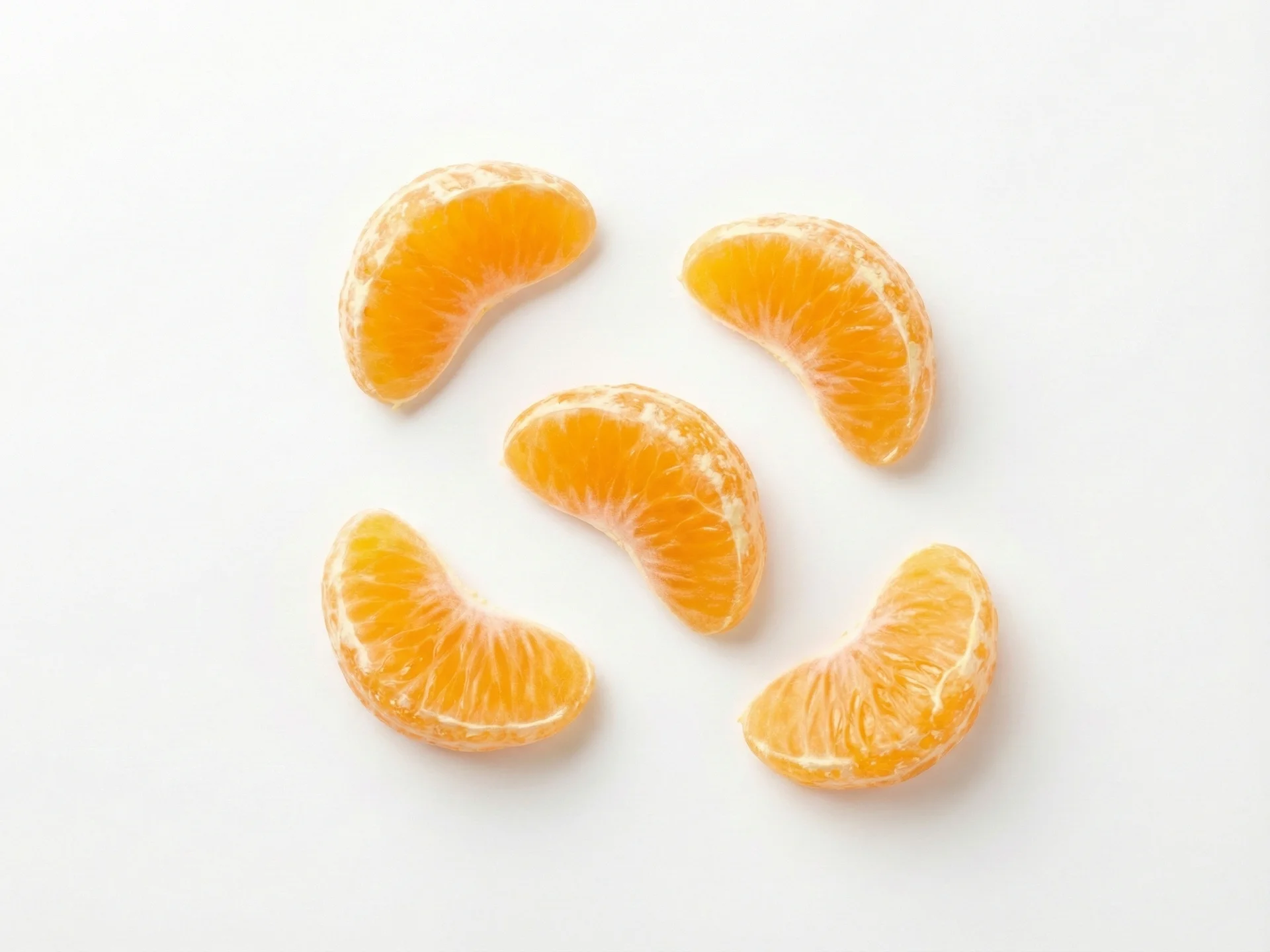
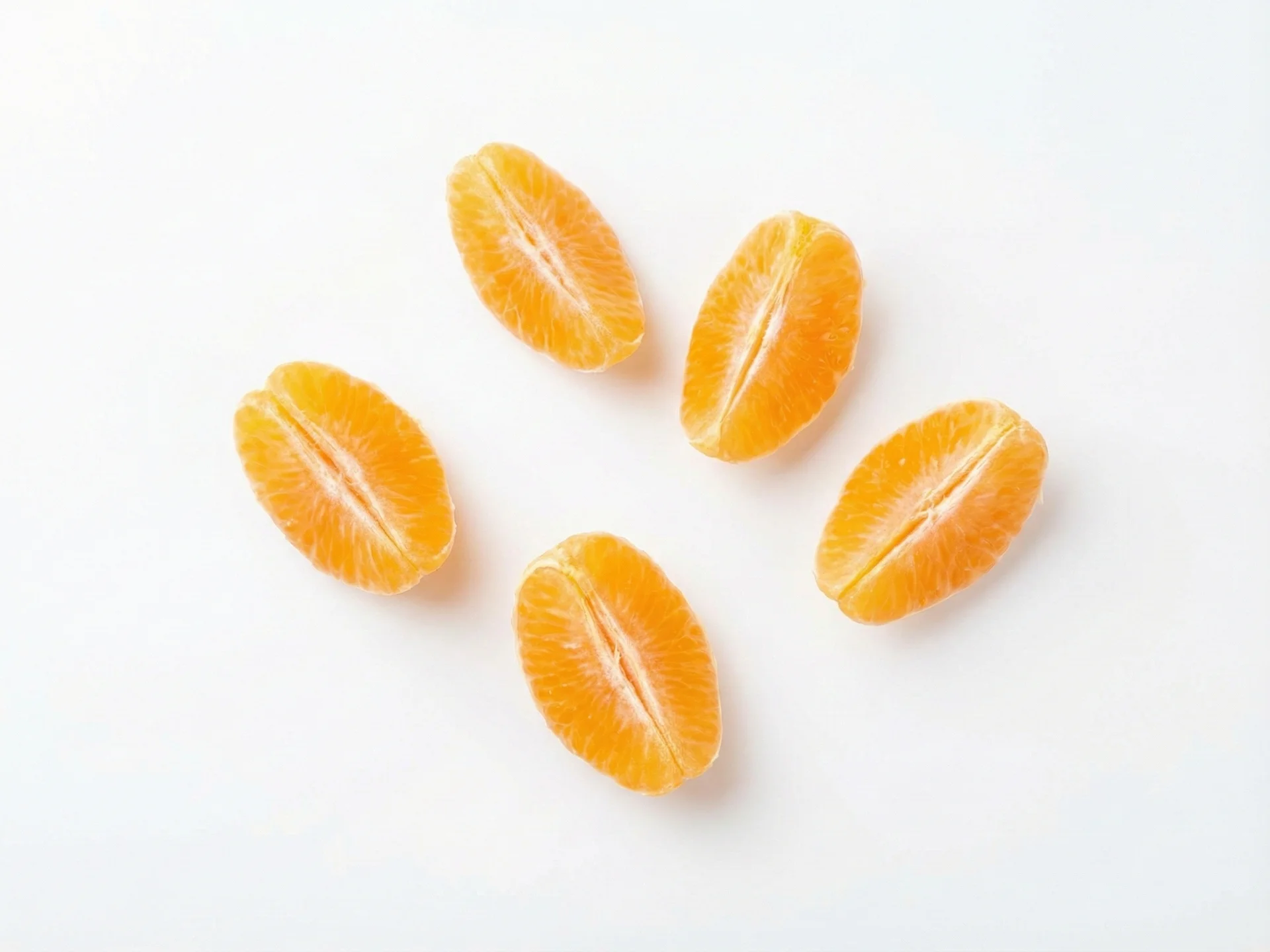
Peel the tangerine completely and remove all seeds and the white pith. Separate into large segments and gently squeeze each segment to break the membrane, making it softer for gumming. Serve one or two segments at a time, cut in half lengthwise if they are too big for your baby to hold comfortably.
6 to 9 months

Peel the tangerine completely and remove all seeds and the white pith. Separate into large segments and gently squeeze each segment to break the membrane, making it softer for gumming. Serve one or two segments at a time, cut in half lengthwise if they are too big for your baby to hold comfortably.

  • Always supervise your baby while eating.
  • Offer segments that are easy to grasp with a palmar grip.
  • Check for and remove any seeds before serving.
  • Start with just a few segments to see how your baby reacts.
  • Wash the tangerine thoroughly before peeling to remove any residue.
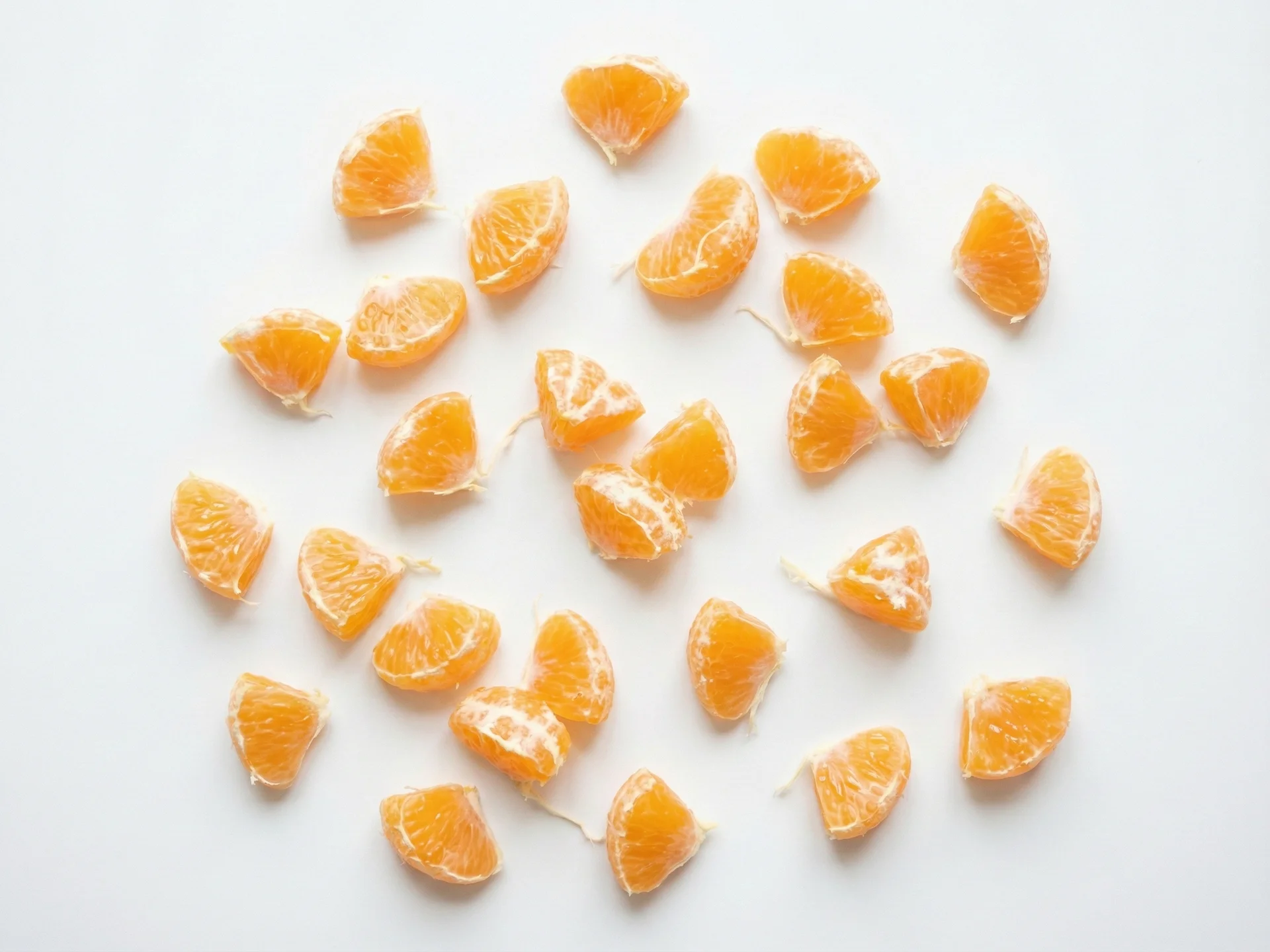
Peel the tangerine and remove seeds, but you can leave some of the pith for added texture. Serve whole segments or cut them into smaller, bite-sized pieces that your baby can practice picking up with a pincer grasp. Encourage self-feeding by placing pieces on their tray.
9 to 12 months

Peel the tangerine and remove seeds, but you can leave some of the pith for added texture. Serve whole segments or cut them into smaller, bite-sized pieces that your baby can practice picking up with a pincer grasp. Encourage self-feeding by placing pieces on their tray.

  • Introduce smaller pieces to develop fine motor skills.
  • Mix tangerine pieces with other soft foods like oatmeal.
  • Monitor for any difficulty with chewing the membrane.
  • Use tangerines as a finger food during meals or snacks.
  • Keep portions small to avoid overwhelming your baby.
Your toddler can now handle whole, peeled tangerine segments with the membrane intact. You can also incorporate tangerines into meals by adding them to salads, yogurt, or smoothies. Continue to remove seeds and ensure pieces are an appropriate size to prevent choking.
12 months +

Your toddler can now handle whole, peeled tangerine segments with the membrane intact. You can also incorporate tangerines into meals by adding them to salads, yogurt, or smoothies. Continue to remove seeds and ensure pieces are an appropriate size to prevent choking.

  • Encourage your toddler to peel tangerines themselves under supervision.
  • Add tangerine slices to lunchboxes for a healthy snack.
  • Combine with other fruits for a colorful fruit salad.
  • Use tangerine zest in baking for added flavor (in moderation).
  • Teach your child to spit out any seeds they find.

Safety & allergens

Choking risk: Medium

Tangerines have a slippery texture and membranes that can be challenging for babies. Always remove all seeds, peel completely, and separate into segments. For younger babies, consider mashing or pureeing to eliminate choking hazards. Supervise closely during feeding.

Not a common allergen

Tangerine is not a top allergen. As with any new food, offer it on its own and watch for any reaction.

Vitamins & minerals

Tangerines are an excellent source of vitamin C, providing about 26.7mg per 100g, which helps support your baby's developing immune system.[1] They also contain vitamin A for healthy vision[2] and potassium, which supports proper muscle and nerve function.[3] The fiber content (1.8g per 100g) can aid digestion.

Vitamins
Vitamin VITAMIN CVitamin VITAMIN AVitamin VITAMIN B6Vitamin VITAMIN B9
Minerals
PotassiumCalciumMagnesium