FoodsFruitPassion fruit
Passion fruit

Fruit

Passion fruit

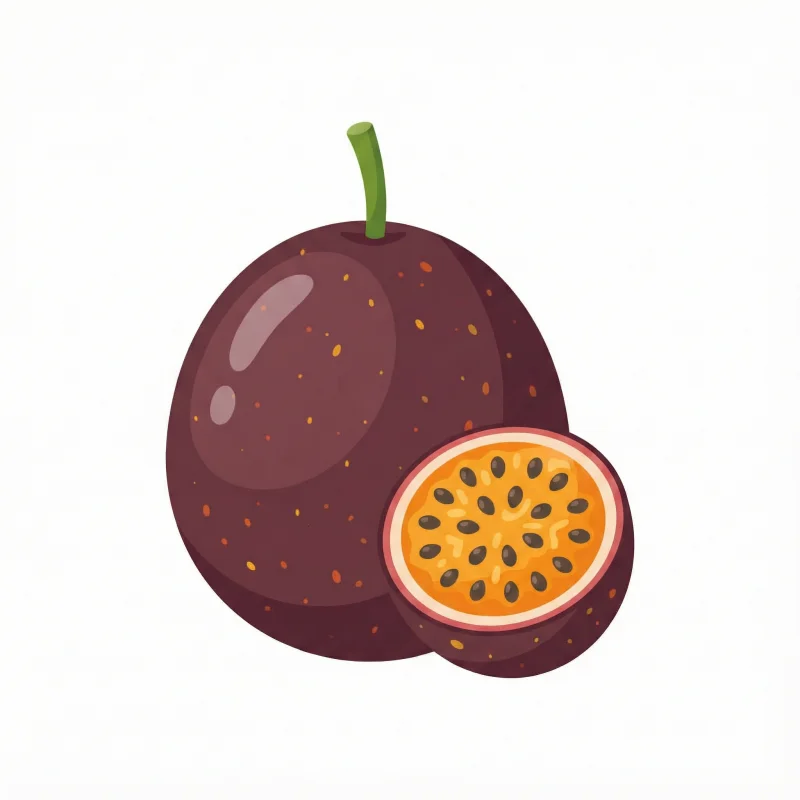
Passion fruit is a tropical delight that offers a unique sweet-tart flavor and soft, seedy pulp that babies often find intriguing. It's packed with vitamin C to support your baby's immune system[1] and vitamin A for healthy vision development[2]. The seeds are edible and provide a fun texture that can help babies explore different mouthfeels.

6m+Not a common allergenChoking risk: Medium
First age6m+
CategoryFruit
Common allergenNo
Choking riskMedium

When can babies eat Passion fruit?

You can introduce passion fruit around 6 months when starting solids, as long as it's prepared safely to avoid choking hazards. Its strong flavor makes it a great food to introduce alongside milder fruits.

How to serve Passion fruit by age

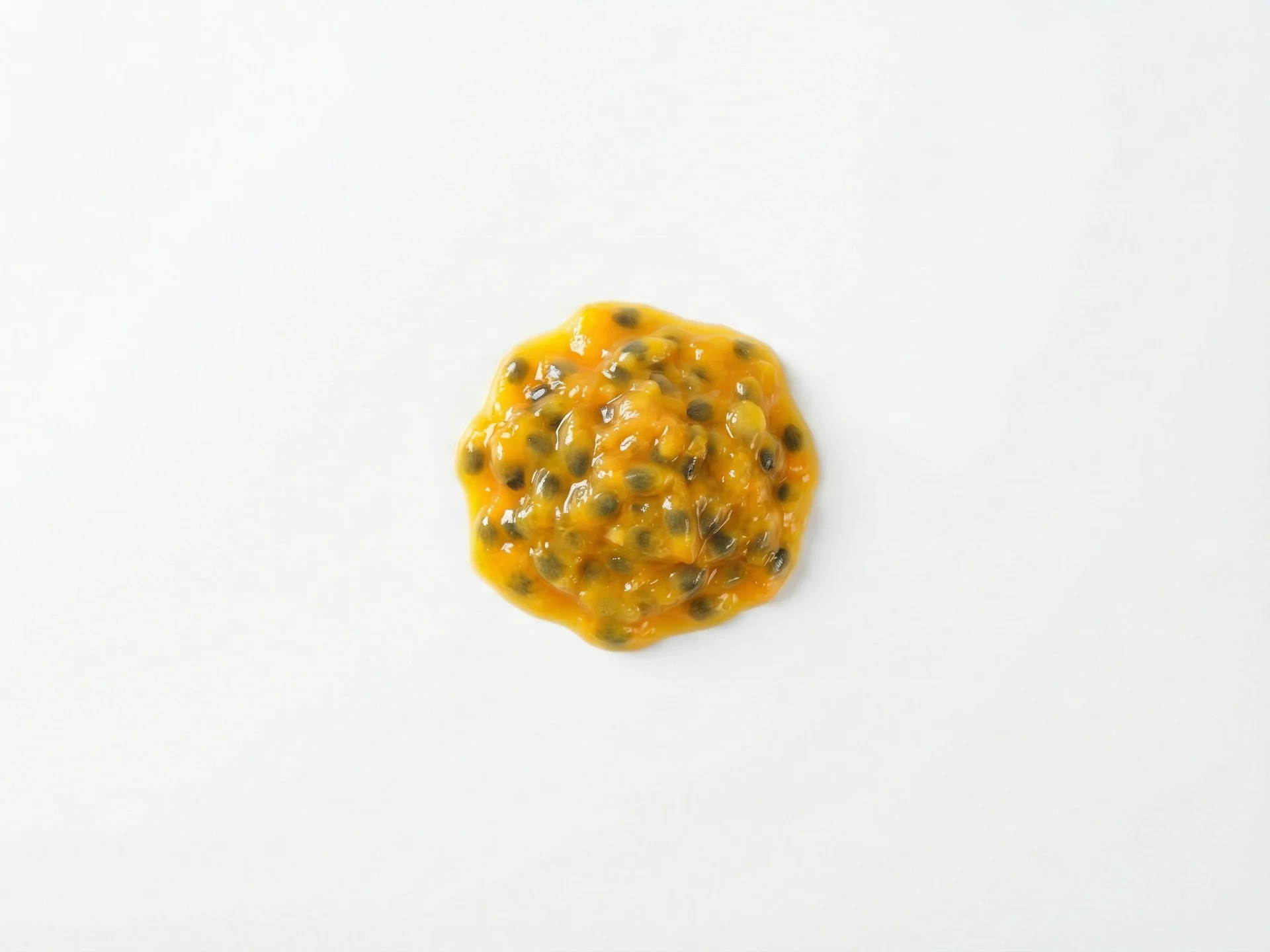
For babies 6-9 months, cut the passion fruit in half and scoop out the pulp into a small bowl. Mash it lightly with a fork to break up the seeds and create a smoother texture. Serve a small spoonful on a pre-loaded spoon or let your baby dip their fingers to explore the pulp.
6 to 9 months

For babies 6-9 months, cut the passion fruit in half and scoop out the pulp into a small bowl. Mash it lightly with a fork to break up the seeds and create a smoother texture. Serve a small spoonful on a pre-loaded spoon or let your baby dip their fingers to explore the pulp.

  • Choose ripe passion fruit with wrinkled skin for the softest pulp.
  • Mash the pulp well to reduce seed size for easier swallowing.
  • Serve in a highchair tray for minimal mess and easy access.
  • Start with a teaspoon to gauge your baby's interest and tolerance.
  • Combine with yogurt or oatmeal if the tartness is too strong.
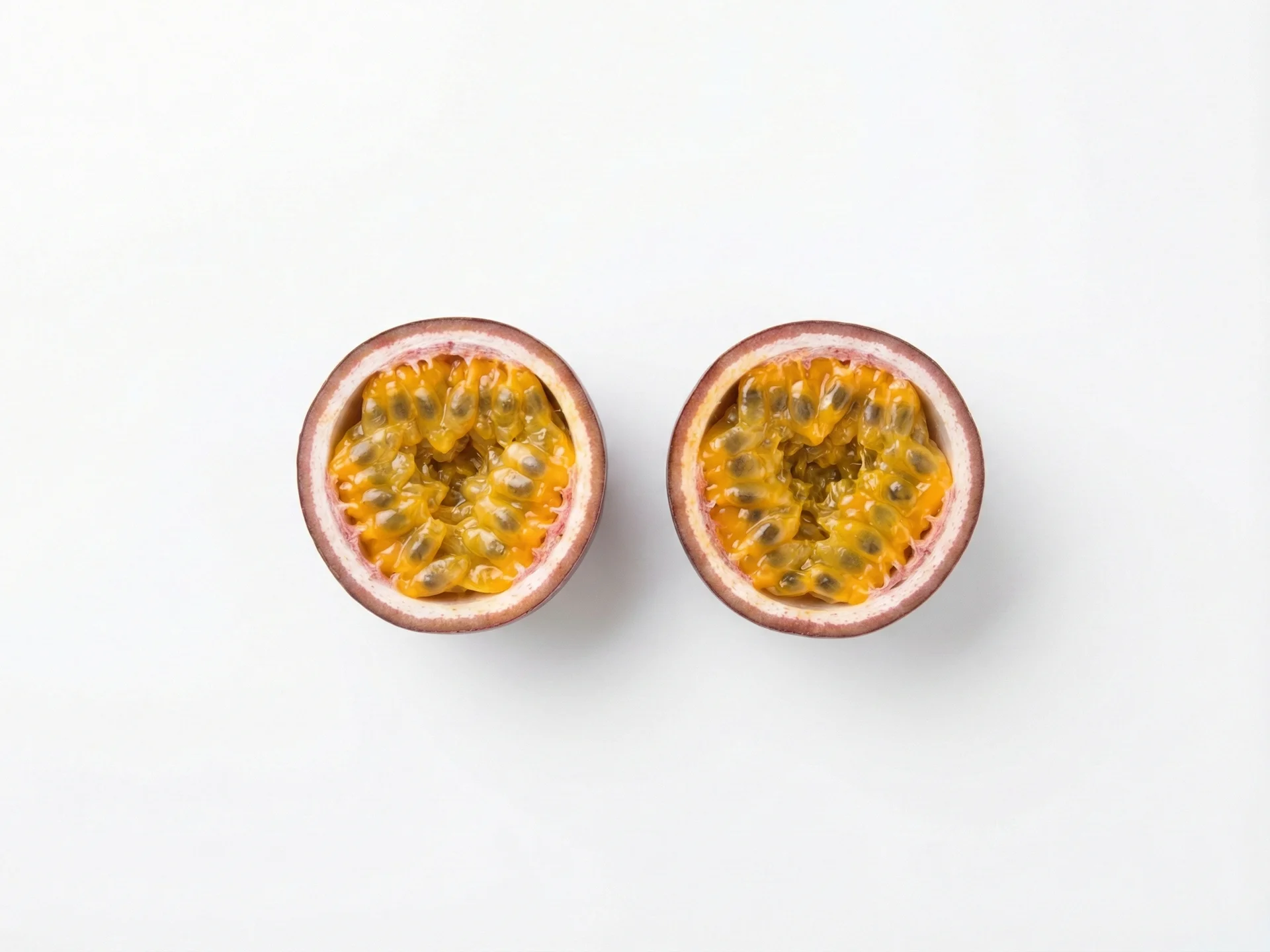
For babies 9 months and up, you can serve passion fruit pulp with less mashing to encourage chewing practice. Cut the fruit in half and let your baby scoop out the pulp with their hands or a spoon. The seeds provide a fun, crunchy texture that supports jaw development.
9 months +

For babies 9 months and up, you can serve passion fruit pulp with less mashing to encourage chewing practice. Cut the fruit in half and let your baby scoop out the pulp with their hands or a spoon. The seeds provide a fun, crunchy texture that supports jaw development.

  • Encourage self-feeding by offering the fruit half for scooping.
  • Mix passion fruit into smoothies or chia pudding for variety.
  • Use as a topping on pancakes or toast for added flavor.
  • Monitor for any difficulty with the seeds and adjust mashing as needed.
  • Store extra pulp in ice cube trays for quick servings.

Safety & allergens

Choking risk: Medium

The seeds in passion fruit are small but can pose a choking risk if served in large quantities. For younger babies, strain the pulp to remove seeds or mash thoroughly. Always supervise your baby during feeding and ensure they're sitting upright.

Not a common allergen

Passion fruit is not a top allergen. As with any new food, offer it on its own and watch for any reaction.

Vitamins & minerals

Passion fruit provides vitamin C which helps your baby's body absorb iron from other foods[3], and vitamin A supports healthy eyesight[2]. It also contains potassium for proper muscle function[4] and B vitamins that help convert food into energy[5]. The fiber in passion fruit can support healthy digestion[6].

Vitamins
Vitamin VITAMIN AVitamin VITAMIN CVitamin VITAMIN B2Vitamin VITAMIN B3Vitamin VITAMIN B6Vitamin VITAMIN B9
Minerals
IronPotassiumMagnesiumPhosphorusCopper