FoodsBeanFava beans
Fava beans

Bean

Fava beans

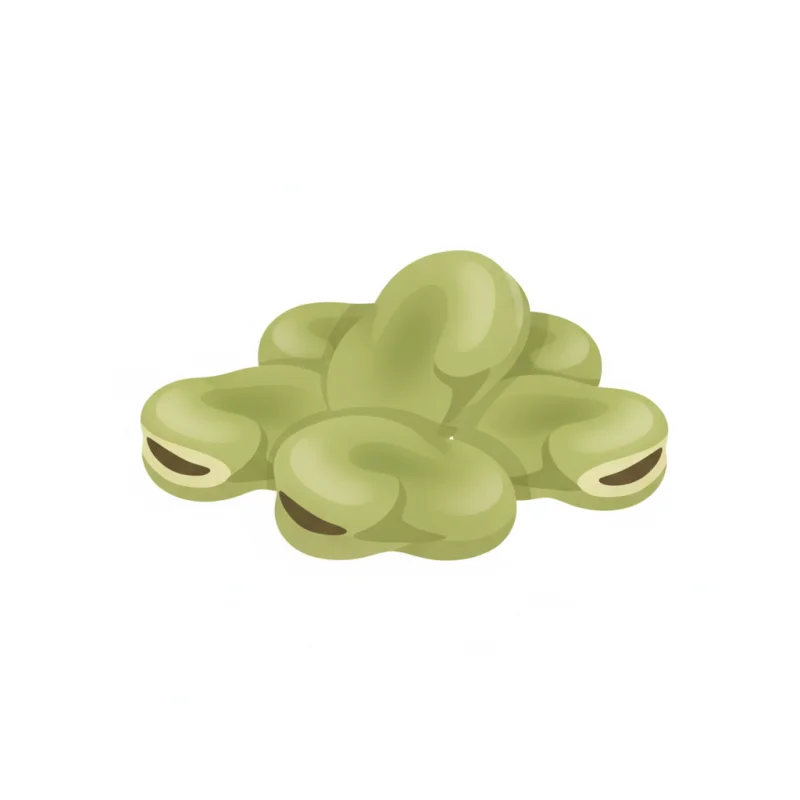
Fava beans are a wonderful first food for your baby, offering a creamy texture and mild, slightly nutty flavor that many little ones enjoy. They're packed with nutrients that support your baby's growth, including iron for healthy blood cells[1] and B vitamins for energy development[2]. Plus, they're a great source of plant-based protein to help build strong muscles.

6m+Not a common allergenChoking risk: Medium
First age6m+
CategoryBean
Common allergenNo
Choking riskMedium

When can babies eat Fava beans?

You can introduce fava beans around 6 months when your baby starts solids, as long as they're prepared safely to minimize choking risk. They're a great early food because they're soft and easy to mash.

How to serve Fava beans by age

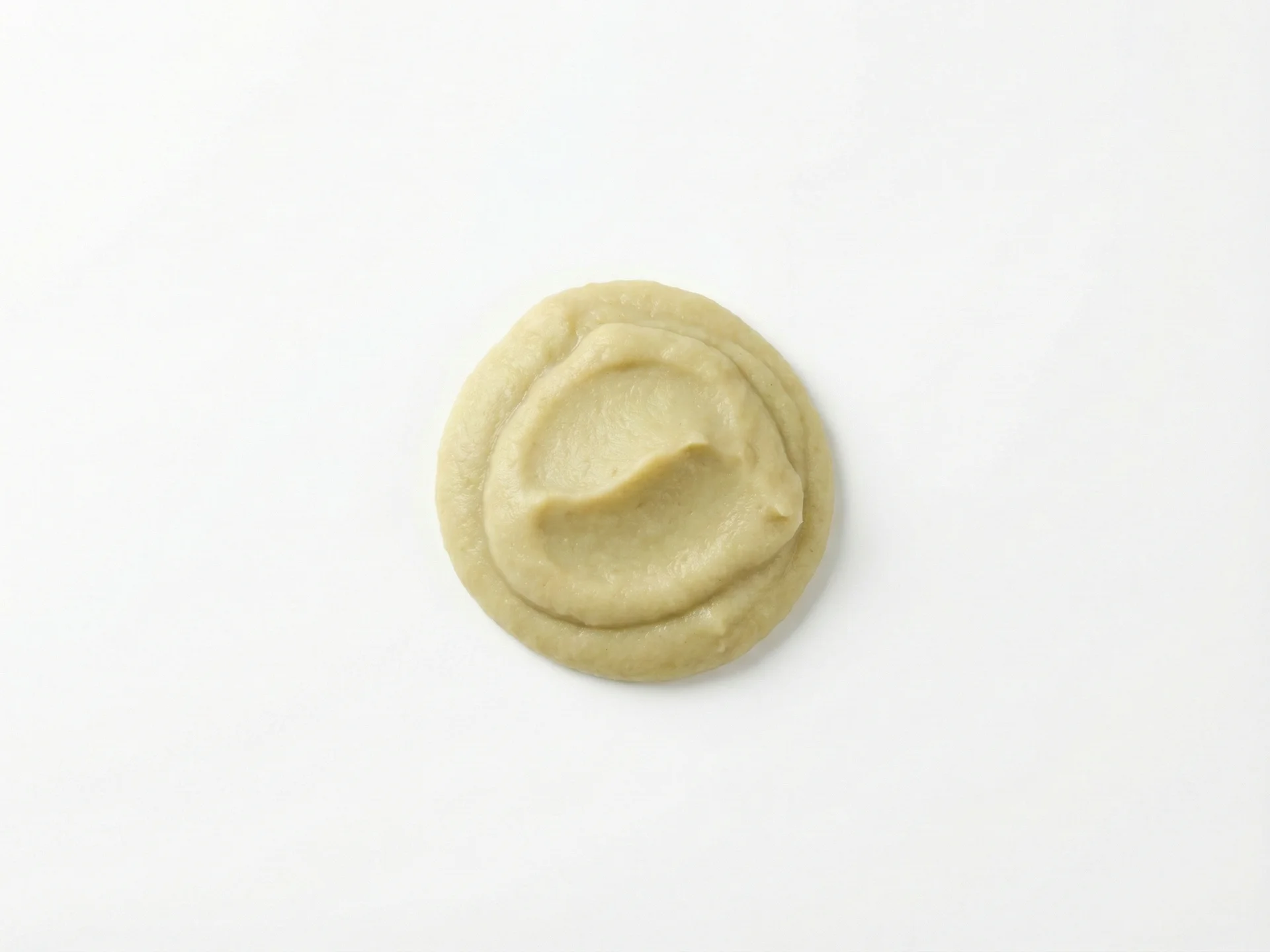
For babies 8-12 months, cook fava beans until very soft, then remove the outer skins and mash thoroughly with a fork. You can mix the mashed beans with breast milk, formula, or a little olive oil to create a smooth, spreadable consistency. Serve as a spread on toast strips or mix into other soft foods.
8 to 12 months

For babies 8-12 months, cook fava beans until very soft, then remove the outer skins and mash thoroughly with a fork. You can mix the mashed beans with breast milk, formula, or a little olive oil to create a smooth, spreadable consistency. Serve as a spread on toast strips or mix into other soft foods.

  • Always double-check that all skins are removed before mashing
  • Cook beans until they're easily squished between your fingers
  • Mix with avocado or yogurt for added creaminess
  • Start with small amounts (1-2 tablespoons) to check tolerance
  • Offer on pre-loaded spoons for self-feeding practice
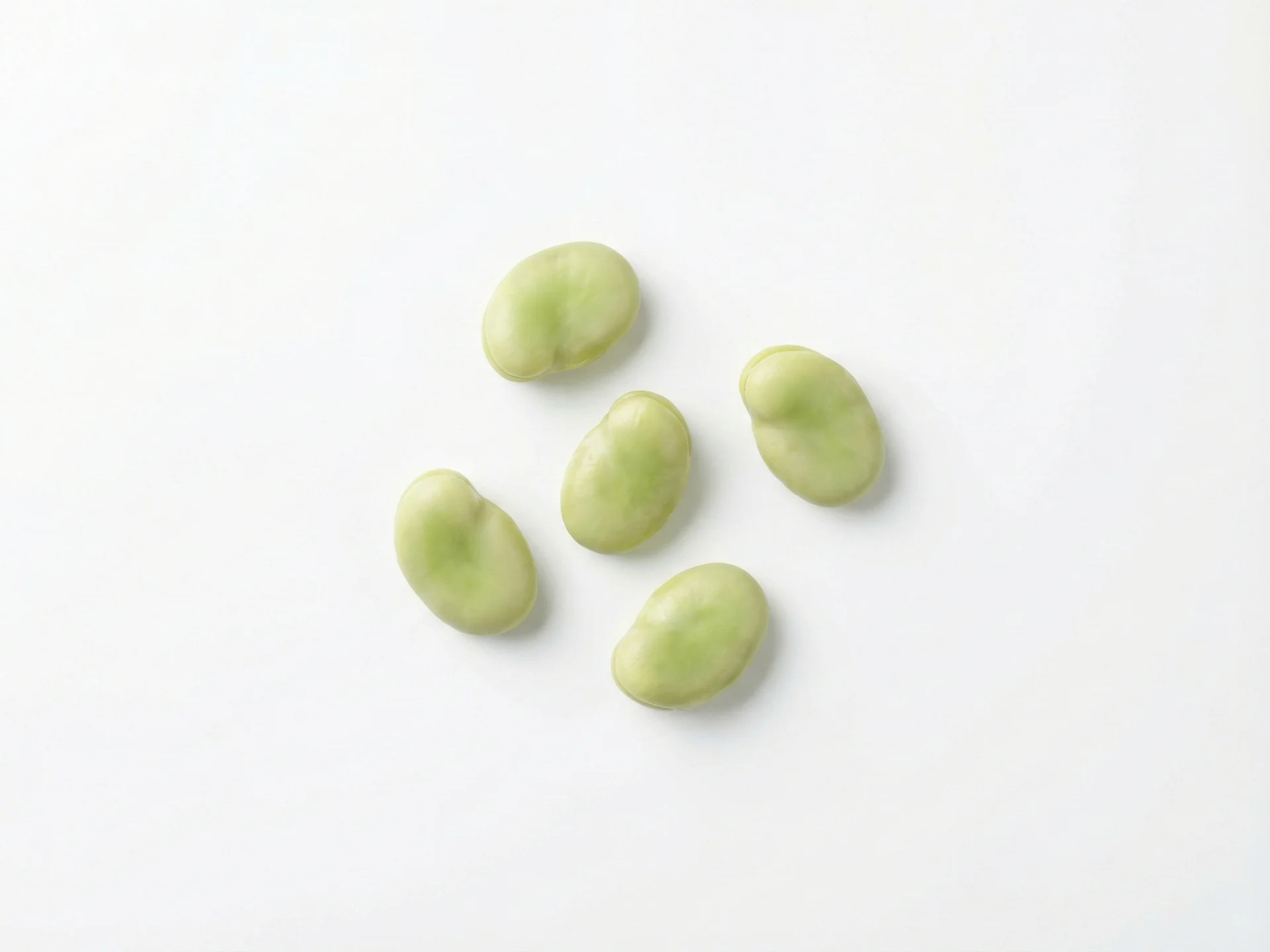
For toddlers 12 months and up, you can offer whole, cooked fava beans with the skins removed. Ensure beans are cooked until tender but still hold their shape. You can also incorporate fava beans into patties, stews, or mixed dishes where they're combined with other soft ingredients.
12 months +

For toddlers 12 months and up, you can offer whole, cooked fava beans with the skins removed. Ensure beans are cooked until tender but still hold their shape. You can also incorporate fava beans into patties, stews, or mixed dishes where they're combined with other soft ingredients.

  • Continue removing skins until your child has mature chewing skills
  • Mix with grains like rice or quinoa for complete protein
  • Add to vegetable soups or pasta dishes
  • Make fava bean patties with mashed beans and breadcrumbs
  • Offer as finger food alongside other soft vegetables

Safety & allergens

Choking risk: Medium

Fava beans are small and round, which can pose a choking hazard if served whole. Always mash or puree them thoroughly for younger babies, and for older babies, ensure they're well-cooked and mashed to a soft consistency. Never serve whole beans to babies under 4 years old.

Not a common allergen

Fava beans is not a top allergen. As with any new food, offer it on its own and watch for any reaction.

Vitamins & minerals

Fava beans are a nutritional powerhouse for your growing baby. They provide iron, which is crucial for healthy brain development and preventing anemia[1]. The B vitamins in fava beans help convert food into energy and support nervous system function[2], while potassium helps maintain healthy blood pressure and muscle function[3].

Vitamins
Vitamin VITAMIN B1Vitamin VITAMIN B2Vitamin VITAMIN B3Vitamin VITAMIN B6Vitamin VITAMIN B9Vitamin VITAMIN CVitamin VITAMIN K
Minerals
IronPotassiumMagnesiumPhosphorusCopperManganese