FoodsBeanKidney beans
Kidney beans

Bean

Kidney beans

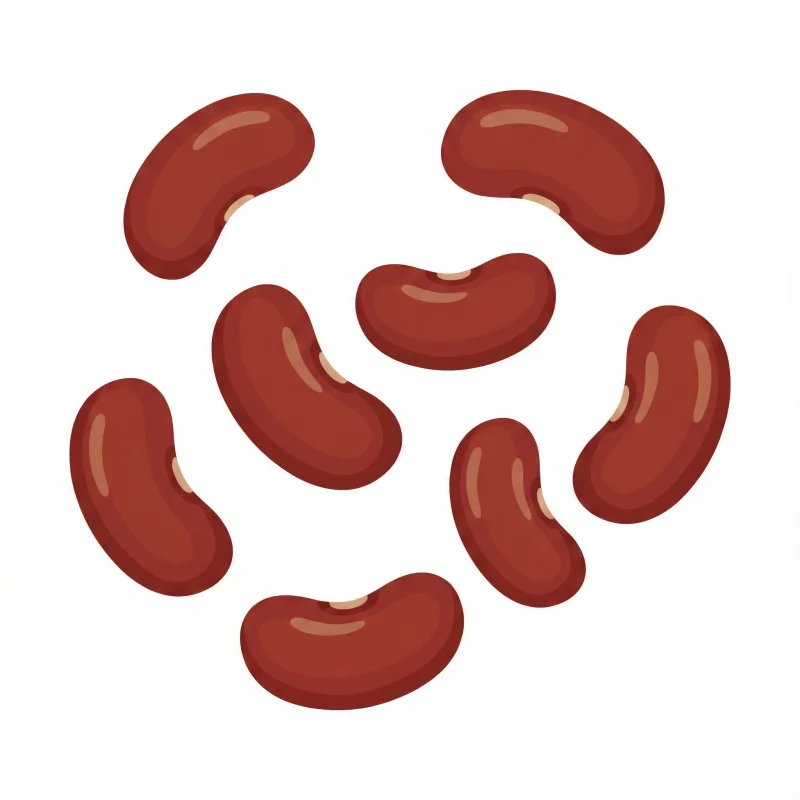
Kidney beans are a wonderful first food for babies, offering a creamy texture and mild, earthy flavor that many little ones enjoy. They're packed with plant-based protein and fiber to support your baby's growth and digestion.[1] Plus, they're rich in iron, which is crucial for brain development and preventing anemia.[2]

6m+Not a common allergenChoking risk: Low
First age6m+
CategoryBean
Common allergenNo
Choking riskLow

When can babies eat Kidney beans?

You can introduce well-cooked, mashed kidney beans around 6 months when your baby starts solids. Always ensure they're thoroughly cooked and mashed or pureed to the right texture for your baby's age.

How to serve Kidney beans by age

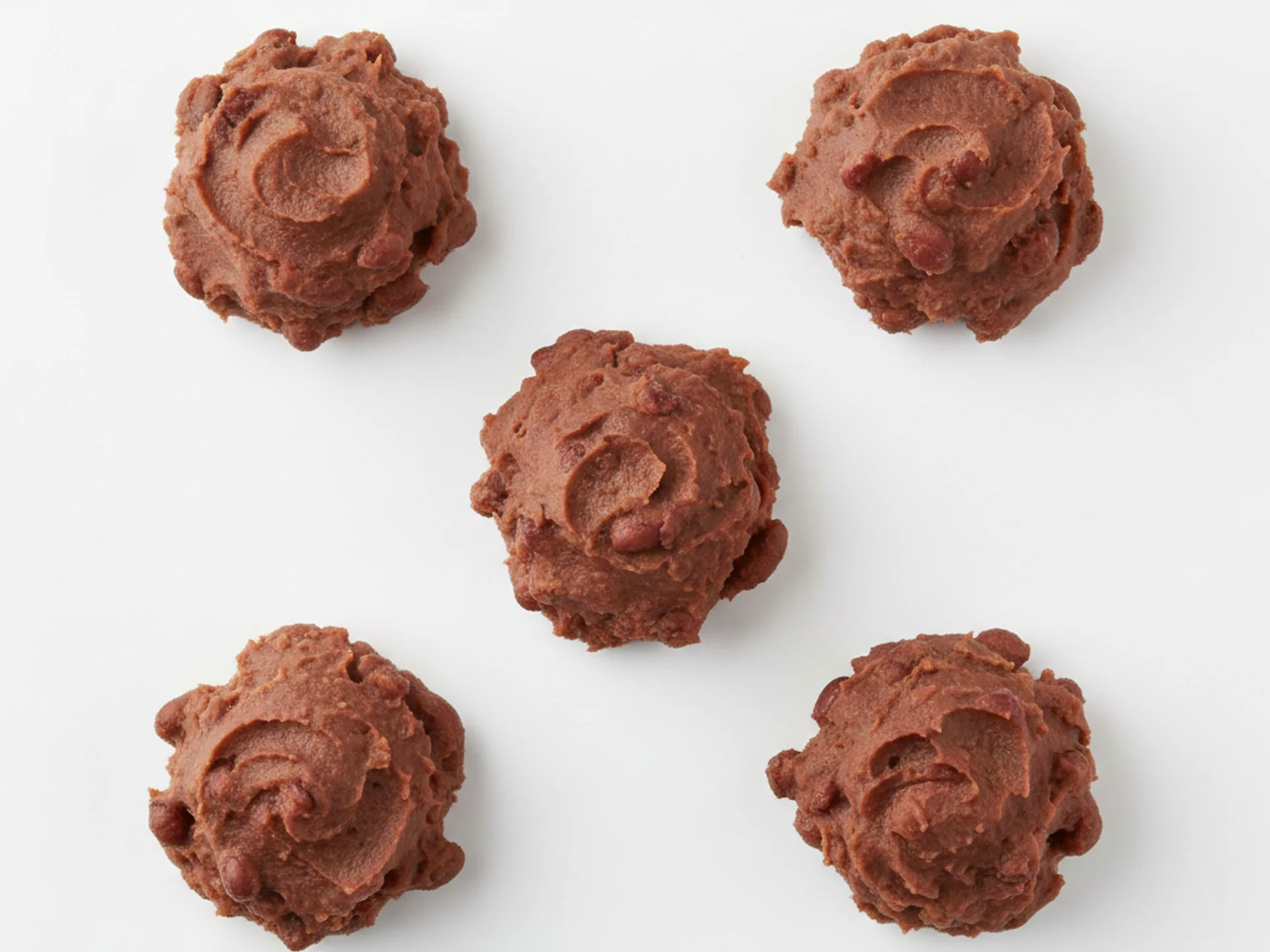
For babies 8-12 months, serve kidney beans mashed or flattened with a fork to create a soft, spreadable texture. You can mix them into purees, spreads, or soft dishes like bean patties to make them easier to pick up and reduce choking hazards.
8 to 12 months

For babies 8-12 months, serve kidney beans mashed or flattened with a fork to create a soft, spreadable texture. You can mix them into purees, spreads, or soft dishes like bean patties to make them easier to pick up and reduce choking hazards.

  • Mash cooked beans thoroughly until no whole pieces remain.
  • Mix with avocado or yogurt to add moisture and creaminess.
  • Offer on a pre-loaded spoon or spread on soft toast strips.
  • Avoid adding salt or spices; keep flavors simple.
  • Always supervise your baby closely during meals.
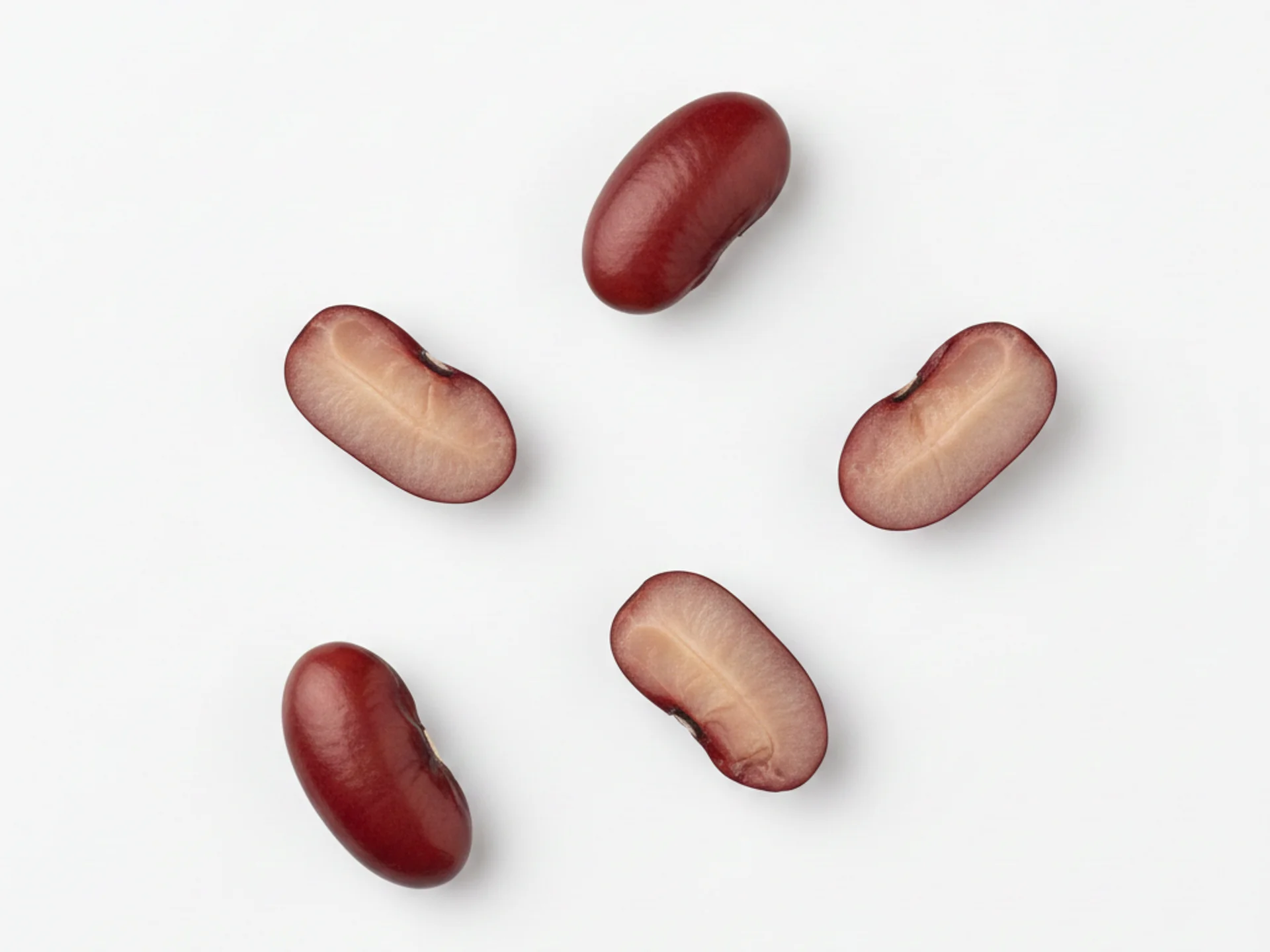
For toddlers 12 months and up, you can offer kidney beans in more varied forms, such as lightly mashed or as part of mixed dishes like soups or casseroles. Whole beans may be introduced if your child has good chewing skills, but ensure they're very soft and cut in half if needed.
12 months +

For toddlers 12 months and up, you can offer kidney beans in more varied forms, such as lightly mashed or as part of mixed dishes like soups or casseroles. Whole beans may be introduced if your child has good chewing skills, but ensure they're very soft and cut in half if needed.

  • Introduce whole beans only if your toddler chews well and you're confident in their ability.
  • Combine with other foods in meals to encourage balanced eating.
  • Season lightly with herbs like cumin or parsley for added flavor.
  • Continue to monitor for choking, especially with firmer textures.
  • Use in family recipes to make mealtime inclusive and fun.

Safety & allergens

Choking risk: Low

Kidney beans are low choking risk when properly prepared. For babies 6-9 months, mash them thoroughly until smooth with no whole beans. For older babies, you can offer them as a soft, mashed consistency or mixed into other foods. Always supervise your baby during meals.

Not a common allergen

Kidney beans is not a top allergen. As with any new food, offer it on its own and watch for any reaction.

Vitamins & minerals

Kidney beans are a nutritional powerhouse for babies. They provide iron for healthy blood and brain development,[2] and their fiber content helps prevent constipation and supports a healthy gut.[1] The B vitamins in kidney beans, like folate (B9), are essential for cell growth and development.[3]

Vitamins
Vitamin VITAMIN B1Vitamin VITAMIN B6Vitamin VITAMIN B9
Minerals
IronPotassiumMagnesiumPhosphorusCopperManganese