FoodsBeanPinto Beans
Pinto Beans

Bean

Pinto Beans

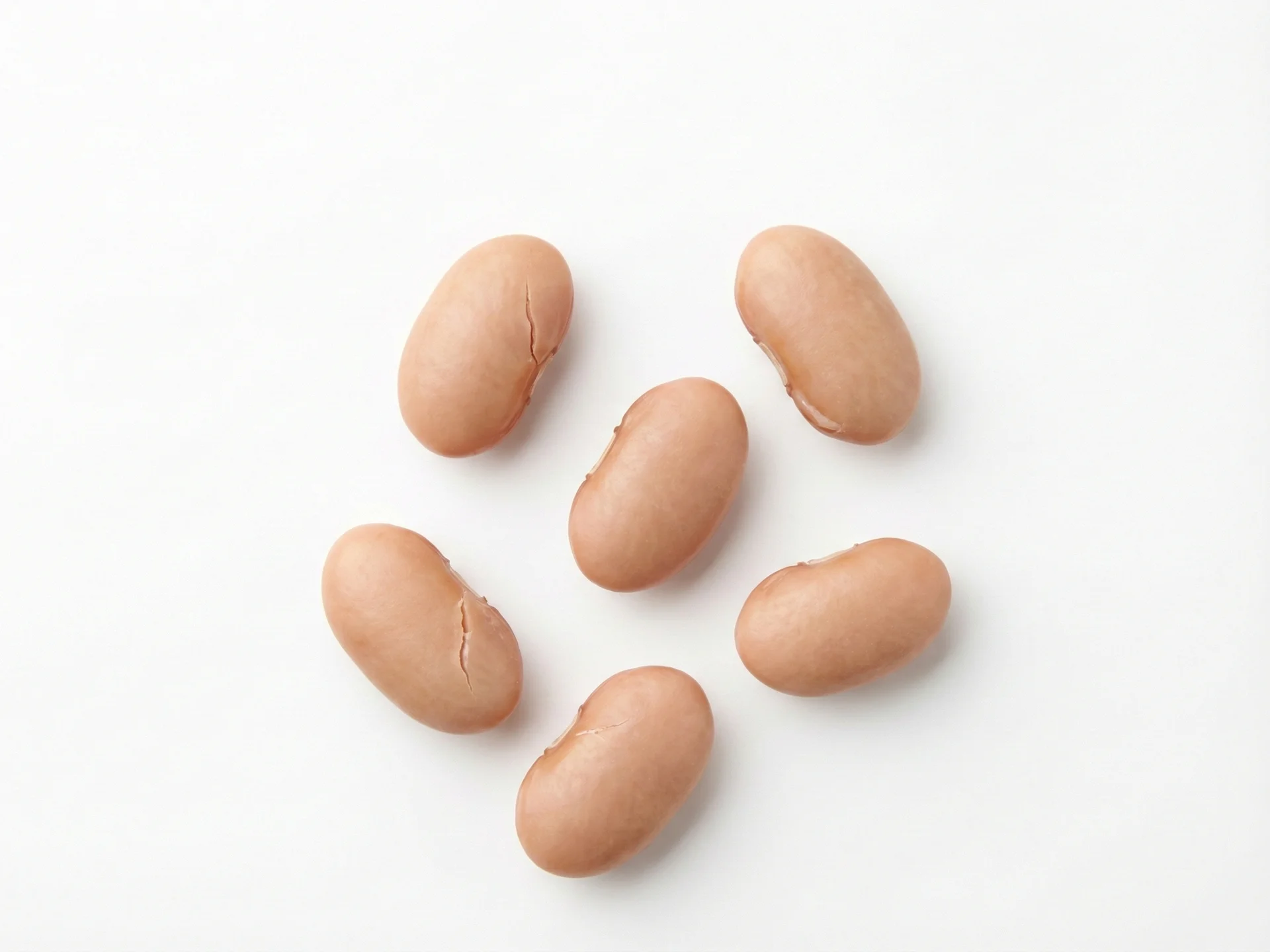
Pinto beans are a wonderful first food for your baby, offering a creamy texture and mild, earthy flavor that many little ones enjoy. They're packed with plant-based protein and fiber to support your baby's growth and digestion[1]. Plus, they're budget-friendly and versatile, making them a great staple for homemade baby food.

6m+Not a common allergenChoking risk: Low
First age6m+
CategoryBean
Common allergenNo
Choking riskLow

When can babies eat Pinto Beans?

You can introduce well-cooked, mashed pinto beans around 6 months when your baby starts solids. They're soft and easy to mash, making them suitable for early eaters.

How to serve Pinto Beans by age

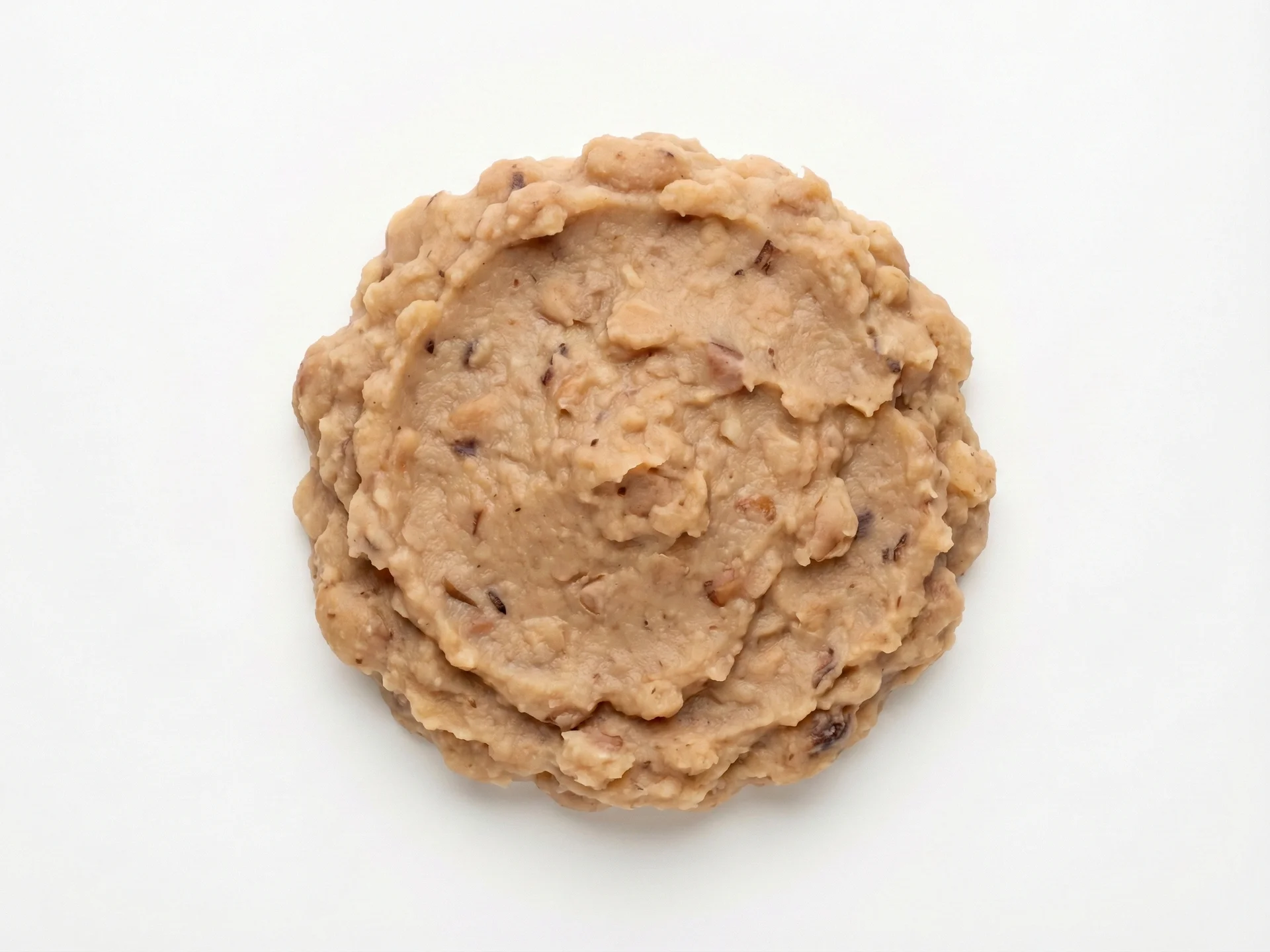
For babies 6-9 months, mash cooked pinto beans into a thick, lumpy puree or flatten them with a fork to create a soft, spreadable texture. You can spread this on toast strips or offer it on a pre-loaded spoon for self-feeding, ensuring it's easy to gum and swallow.
6 to 9 months

For babies 6-9 months, mash cooked pinto beans into a thick, lumpy puree or flatten them with a fork to create a soft, spreadable texture. You can spread this on toast strips or offer it on a pre-loaded spoon for self-feeding, ensuring it's easy to gum and swallow.

  • Mash beans until no whole pieces remain to prevent choking.
  • Mix with breast milk, formula, or water to adjust consistency if needed.
  • Offer on a silicone spoon or your baby's fingers to encourage self-feeding.
  • Start with a small amount (1-2 teaspoons) to monitor tolerance.
  • Avoid adding salt, sugar, or spices at this age.
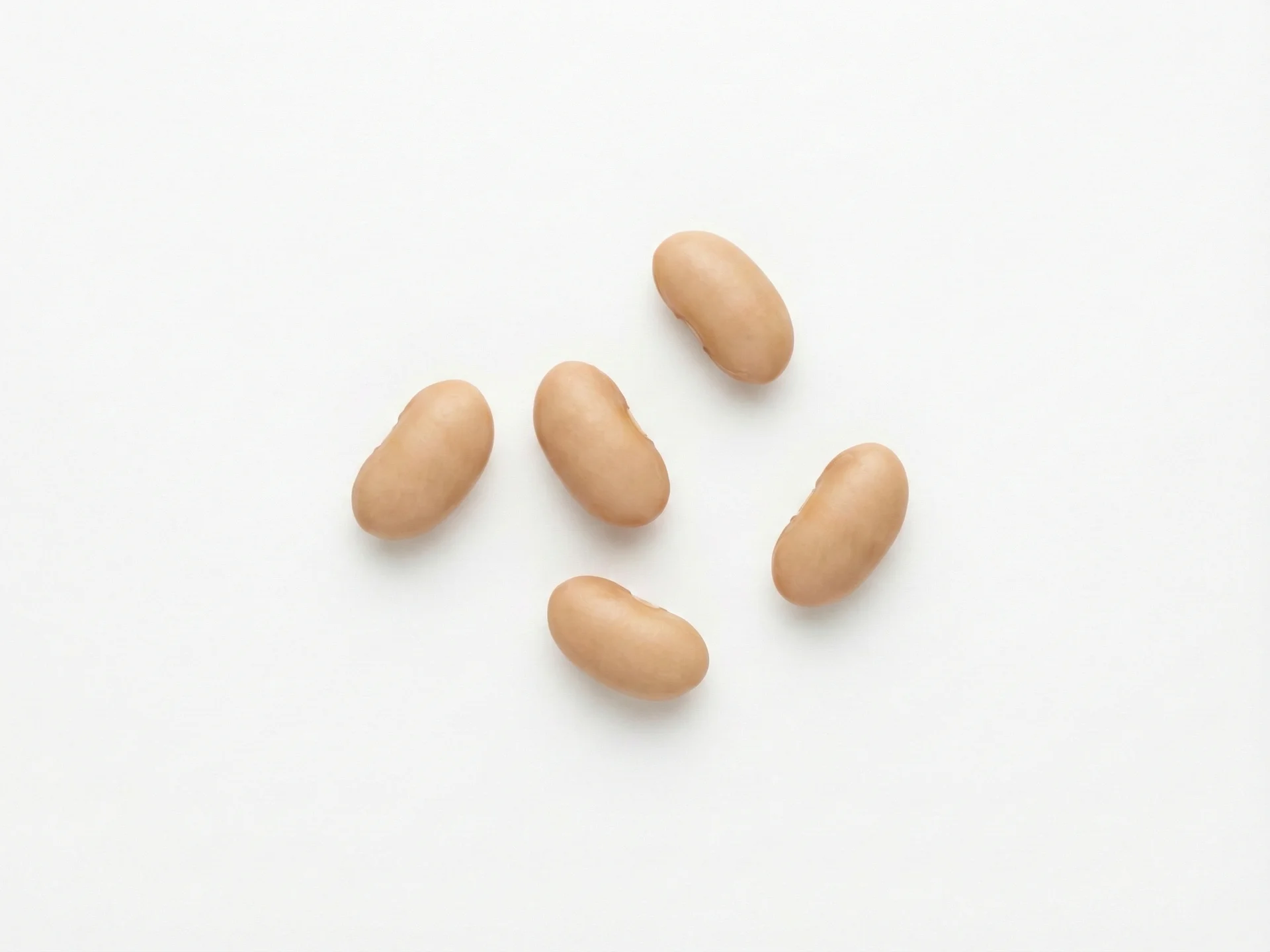
For babies 9-12 months, offer slightly mashed or whole soft-cooked pinto beans that your baby can pick up with a pincer grasp. Ensure beans are very tender and easily squished between your fingers to reduce choking risk, and serve them alongside other finger foods.
9 to 12 months

For babies 9-12 months, offer slightly mashed or whole soft-cooked pinto beans that your baby can pick up with a pincer grasp. Ensure beans are very tender and easily squished between your fingers to reduce choking risk, and serve them alongside other finger foods.

  • Cook beans until they are very soft and mash easily.
  • Serve whole beans only if your baby has developed good chewing skills.
  • Combine with soft vegetables like cooked carrots for variety.
  • Encourage self-feeding by placing beans on a highchair tray.
  • Monitor closely as whole beans can still be a choking hazard.
For toddlers 12 months and up, pinto beans can be served whole or as part of mixed dishes like bean patties, soups, or tacos. At this age, they can handle more texture, but continue to ensure beans are well-cooked and cut into manageable pieces if in larger recipes.
12 months +

For toddlers 12 months and up, pinto beans can be served whole or as part of mixed dishes like bean patties, soups, or tacos. At this age, they can handle more texture, but continue to ensure beans are well-cooked and cut into manageable pieces if in larger recipes.

  • Include beans in family meals like chili or rice bowls.
  • Mash beans into burgers or meatballs for added nutrition.
  • Season lightly with herbs instead of salt for flavor.
  • Offer as a protein source in vegetarian meals.
  • Supervise eating to ensure safe chewing and swallowing.

Safety & allergens

Choking risk: Low

Pinto beans are naturally soft when cooked, but whole beans can be a choking hazard for babies. Always mash or puree them thoroughly for younger babies, and for older babies who can handle more texture, make sure they're well-cooked and soft enough to squish between your fingers. Avoid serving them whole until your child is much older and has advanced chewing skills.

Not a common allergen

Pinto Beans is not a top allergen. As with any new food, offer it on its own and watch for any reaction.

Vitamins & minerals

Pinto beans are a nutritional powerhouse for your little one. They provide iron, which is crucial for healthy brain development and preventing anemia[2], and magnesium that supports bone health and energy production[3]. The fiber in pinto beans helps promote regular digestion and can prevent constipation, which is common when starting solids[4].

Vitamins
Vitamin VITAMIN B1Vitamin VITAMIN B6Vitamin VITAMIN B9
Minerals
IronMagnesiumPotassiumPhosphorusCopperManganese