FoodsProteinTurkey
Turkey

Protein

Turkey

Turkey is a fantastic first meat for babies, offering a mild flavor and tender texture that many little ones enjoy. It's packed with high-quality protein to support your baby's growth and development, and provides essential nutrients like iron and zinc that are crucial during this stage.[1]

6m+Not a common allergenChoking risk: Medium
First age6m+
CategoryProtein
Common allergenNo
Choking riskMedium

When can babies eat Turkey?

Turkey can be introduced around 6 months of age, once your baby is showing readiness for solids. It's a great early protein source to offer alongside fruits and vegetables.

How to serve Turkey by age

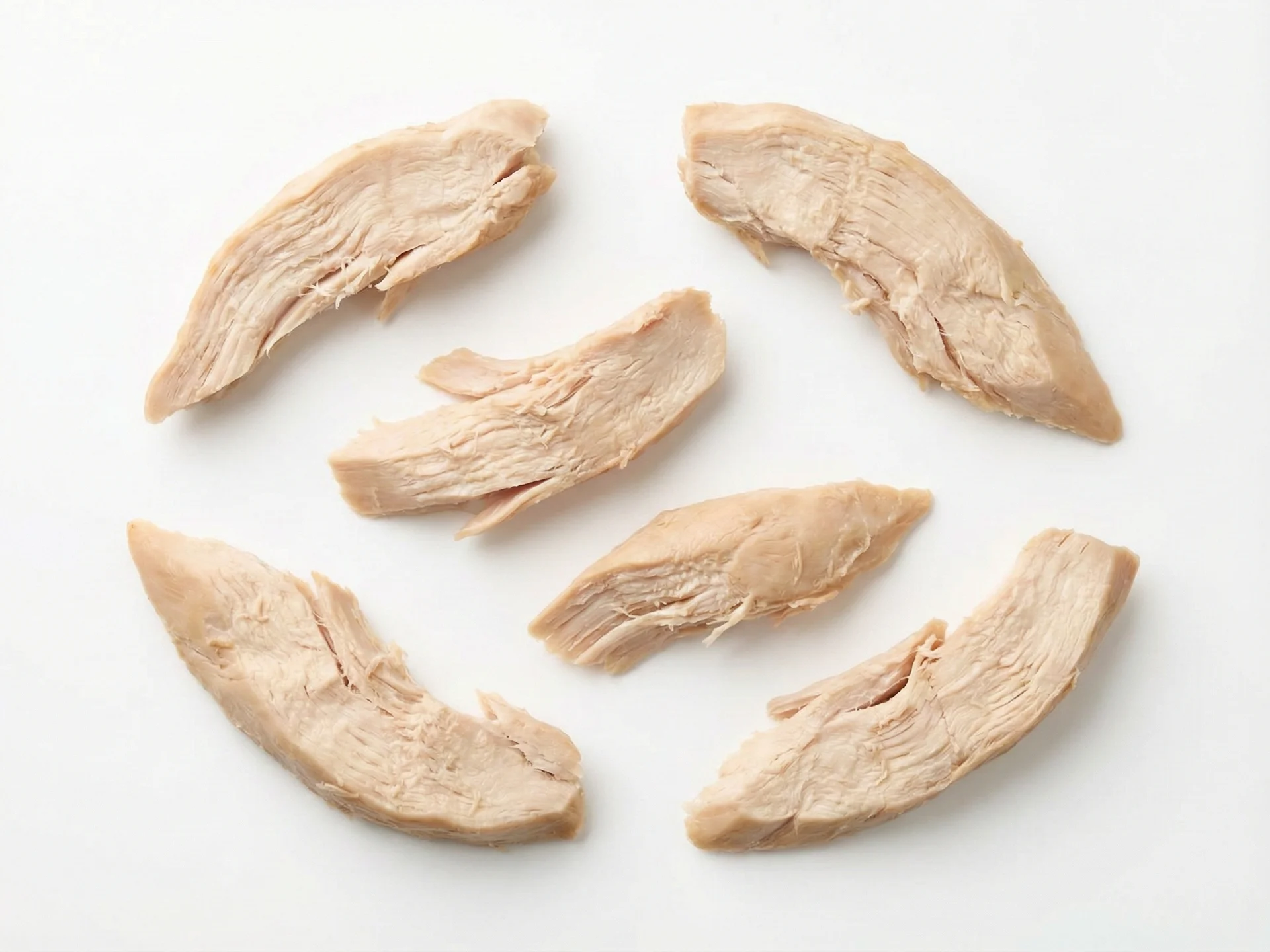
For 6-9 months, serve turkey as large, soft strips or shreds that babies can palm and gum. Cook until very tender—slow-cooked or braised turkey works well—and cut into pieces about the size of two adult fingers. This allows babies to hold and explore while minimizing choking risk.
6 to 9 months

For 6-9 months, serve turkey as large, soft strips or shreds that babies can palm and gum. Cook until very tender—slow-cooked or braised turkey works well—and cut into pieces about the size of two adult fingers. This allows babies to hold and explore while minimizing choking risk.

  • Slow-cook turkey with low-sodium broth until it shreds easily with a fork.
  • Offer large, graspable strips instead of small chunks to encourage self-feeding.
  • Moisten shredded turkey with a bit of breast milk or water to prevent dryness.
  • Avoid adding salt, sugar, or spicy seasonings.
  • Always test tenderness by squishing between your fingers before serving.
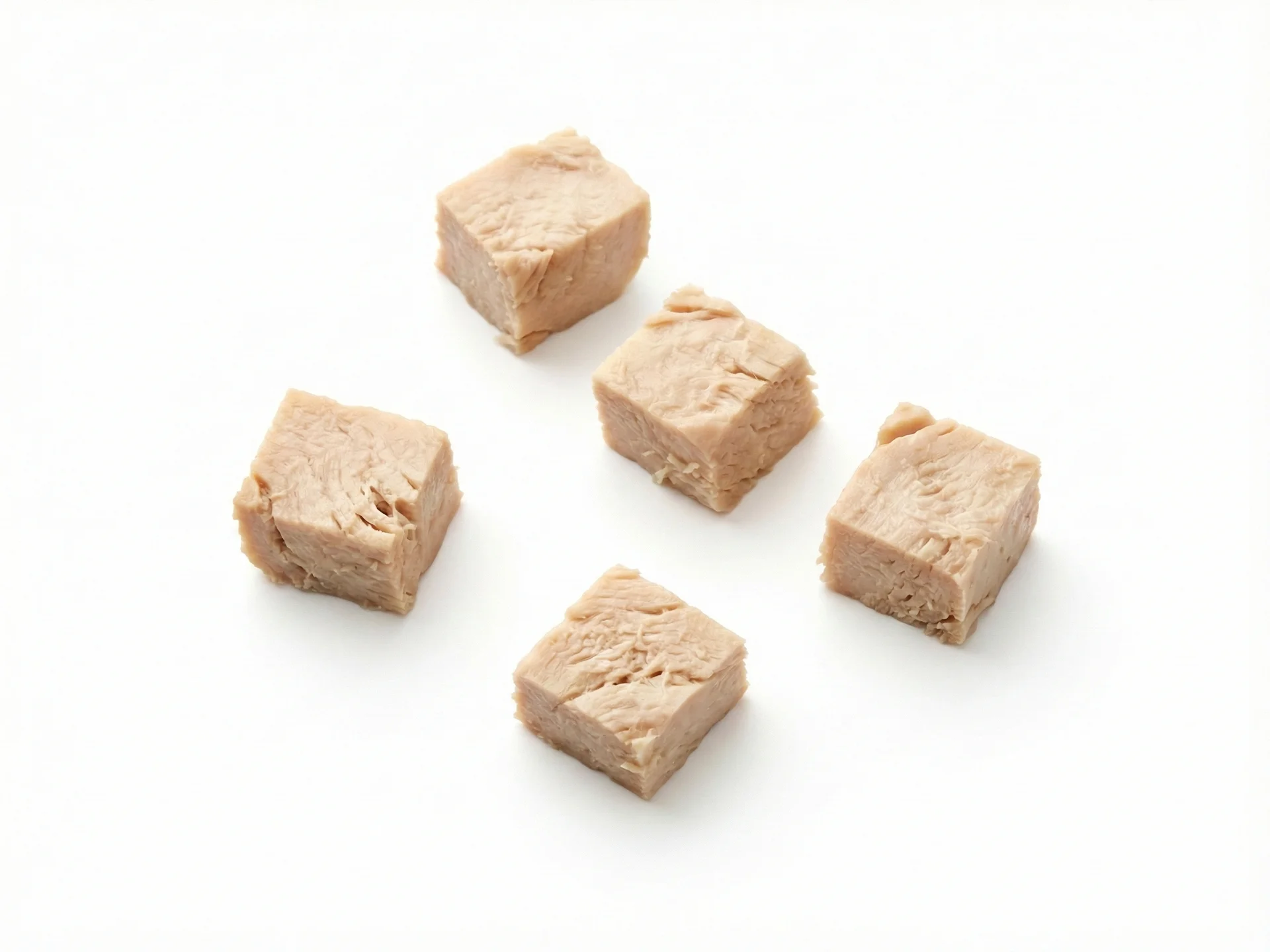
For 9 months and up, you can offer smaller, bite-sized pieces as babies develop their pincer grasp. Turkey can be served in diced form, mixed into dishes like rice or vegetables, or as soft meatballs. Continue to ensure it's moist and tender to ease chewing.
9 months +

For 9 months and up, you can offer smaller, bite-sized pieces as babies develop their pincer grasp. Turkey can be served in diced form, mixed into dishes like rice or vegetables, or as soft meatballs. Continue to ensure it's moist and tender to ease chewing.

  • Dice cooked turkey into pea-sized pieces for practicing pincer grasp.
  • Mix shredded turkey into mashed potatoes or oatmeal for added nutrition.
  • Make mini turkey meatballs with minimal binding ingredients like egg or breadcrumbs.
  • Introduce mild herbs like parsley or thyme for flavor variety.
  • Supervise closely as smaller pieces can still pose a risk if too dry.

Safety & allergens

Choking risk: Medium

Turkey can be a choking hazard if not prepared properly. For young babies, always serve it pureed or shredded into very fine, moist pieces. As your baby gets older and develops chewing skills, you can offer small, soft, bite-sized pieces. Always supervise mealtime closely.

Not a common allergen

Turkey is not a top allergen. As with any new food, offer it on its own and watch for any reaction.

Vitamins & minerals

Turkey is an excellent source of iron, which is vital for healthy brain development and preventing anemia in infants.[2] The zinc in turkey supports immune function and cell growth, while B vitamins like B6 and B12 help with energy metabolism and nervous system health.[3]

Vitamins
Vitamin VITAMIN B3Vitamin VITAMIN B6Vitamin VITAMIN B12
Minerals
IronZincSeleniumPhosphorus