FoodsVegetableSweet Potato
Sweet Potato

Vegetable

Sweet Potato

Sweet potato is a fantastic first food for babies with its naturally sweet flavor and smooth texture when cooked. It's packed with nutrients that support your baby's growth and development, including vitamin A for healthy vision and immune function[1] and vitamin C to help absorb iron from other foods[2]. Plus, its gentle fiber can help prevent constipation, which is common when starting solids[3].

6m+Not a common allergenChoking risk: Low
First age6m+
CategoryVegetable
Common allergenNo
Choking riskLow

When can babies eat Sweet Potato?

Sweet potato can be introduced around 6 months when your baby shows signs of readiness for solids, like sitting up with support and showing interest in food. It's a great early vegetable because it's easy to digest and usually well-liked.

How to serve Sweet Potato by age

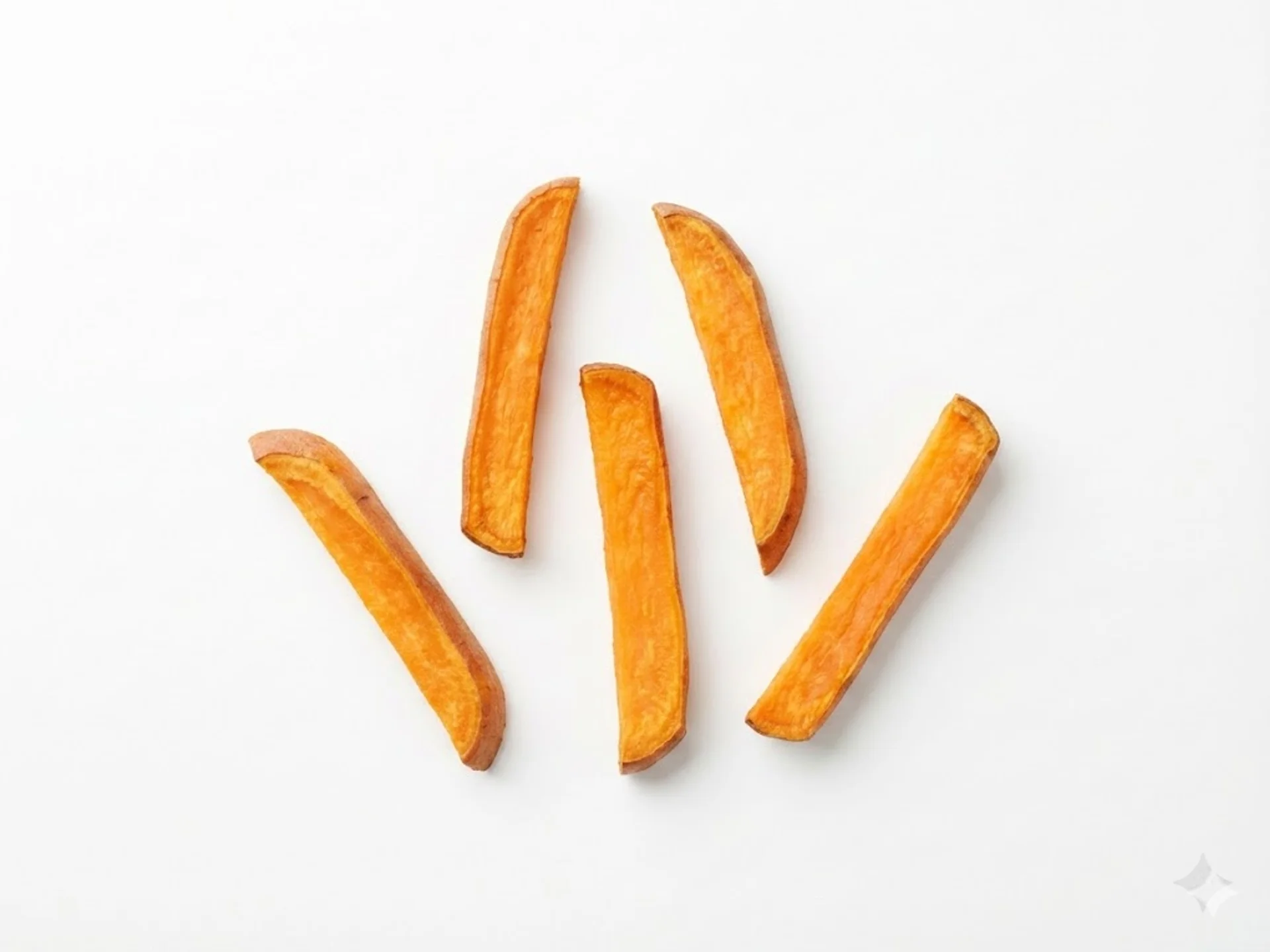
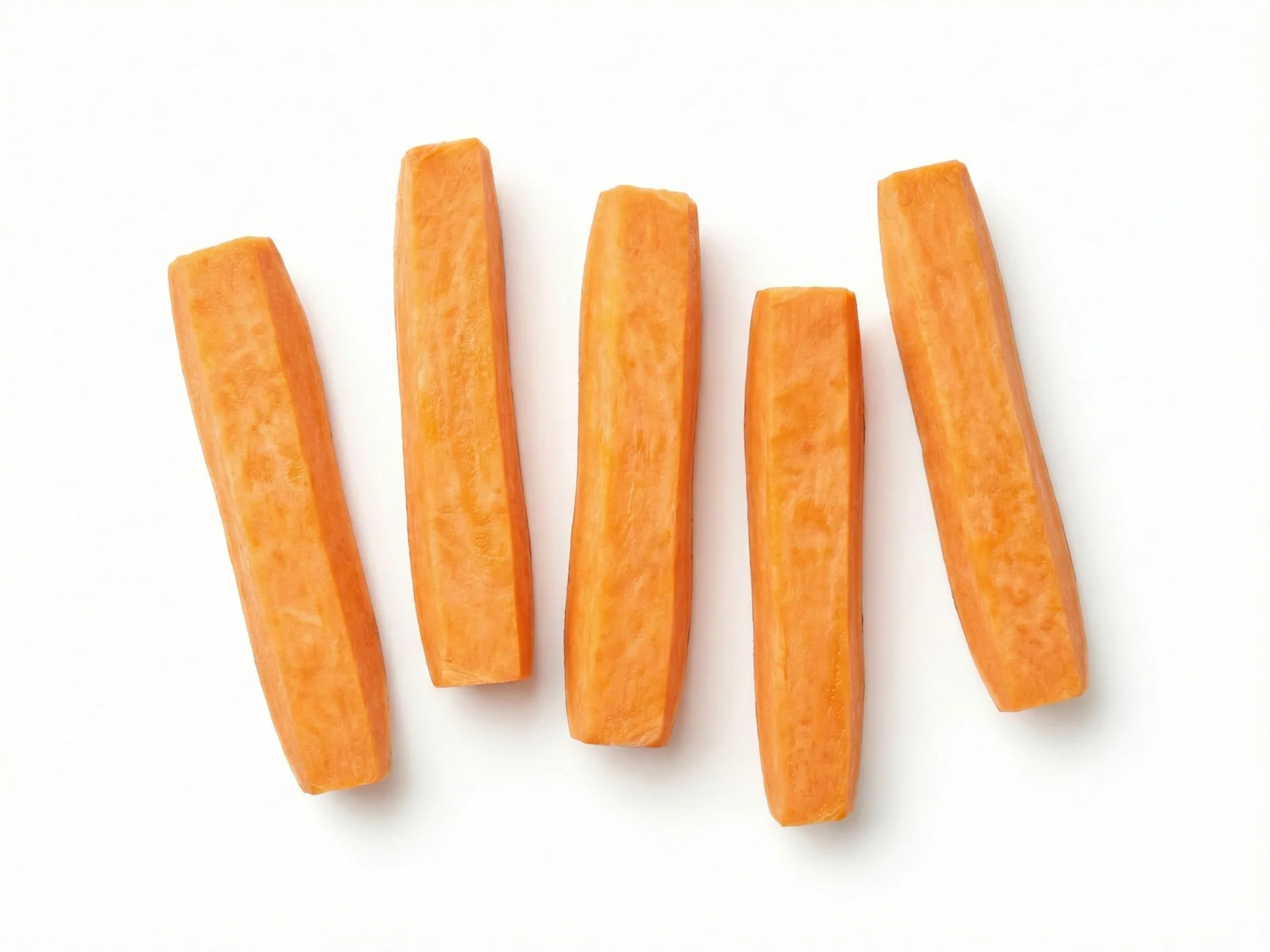
For babies 6-9 months, cook sweet potato until very soft and cut into large, graspable spears (about the size of an adult finger) to help with palmar grasp. You can also mash or puree it for spoon-feeding or pre-loading on spoons, ensuring it's smooth and lump-free for easy swallowing.
6 to 9 months

For babies 6-9 months, cook sweet potato until very soft and cut into large, graspable spears (about the size of an adult finger) to help with palmar grasp. You can also mash or puree it for spoon-feeding or pre-loading on spoons, ensuring it's smooth and lump-free for easy swallowing.

  • Steam or roast sweet potato until fork-tender to preserve nutrients.
  • Offer spears with the skin on for easier gripping, but peel if preferred.
  • Avoid adding salt, sugar, or spices; let baby enjoy the natural flavor.
  • Mash with breast milk or formula for a creamier texture if desired.
  • Supervise closely during meals to ensure safe eating.
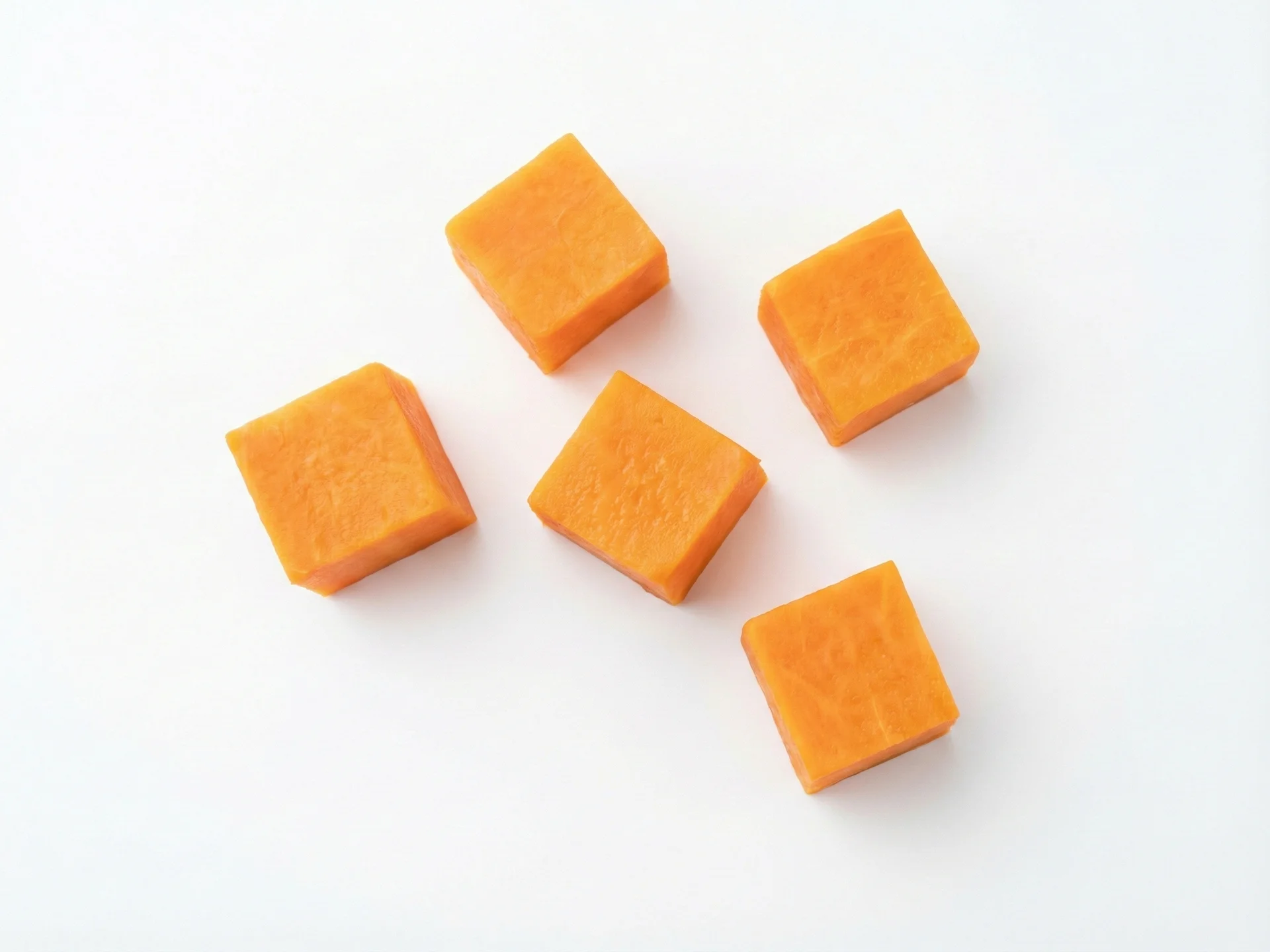
For babies 9-12 months, as pincer grasp develops, cut cooked sweet potato into small, soft cubes or strips that they can pick up. You can also mix it into other foods like oatmeal or yogurt, or offer as a spread on toast fingers for varied textures and practice.
9 to 12 months

For babies 9-12 months, as pincer grasp develops, cut cooked sweet potato into small, soft cubes or strips that they can pick up. You can also mix it into other foods like oatmeal or yogurt, or offer as a spread on toast fingers for varied textures and practice.

  • Introduce slightly firmer textures to encourage chewing skills.
  • Combine with other soft foods, like beans or soft fruits, for balanced meals.
  • Use cookie cutters to make fun shapes to engage baby's interest.
  • Offer as part of family meals, such as mashed alongside meats or vegetables.
  • Continue to cook until soft to minimize choking risk.
For toddlers 12 months and up, sweet potato can be served in more diverse ways, such as baked fries, mashed with herbs, or incorporated into soups and casseroles. Encourage self-feeding with utensils and offer a mix of textures to support oral motor development.
12 months +

For toddlers 12 months and up, sweet potato can be served in more diverse ways, such as baked fries, mashed with herbs, or incorporated into soups and casseroles. Encourage self-feeding with utensils and offer a mix of textures to support oral motor development.

  • Roast sweet potato wedges with a light coating of olive oil for a crispy treat.
  • Mix into pancakes or muffins for a nutritious snack.
  • Serve alongside protein sources like chicken or lentils for complete meals.
  • Involve your toddler in preparation, like mashing or stirring, to foster interest in food.
  • Monitor for any signs of overeating, as sweet potato is filling and nutrient-dense.

Safety & allergens

Choking risk: Low

Sweet potato is soft when cooked thoroughly, making it a low choking risk. For babies 6-9 months, serve it as a smooth puree or mashed very well. As your baby gets older and develops chewing skills, you can offer soft, cooked pieces about the size of your fingertip. Always supervise your baby during meals.

Not a common allergen

Sweet Potato is not a top allergen. As with any new food, offer it on its own and watch for any reaction.

Vitamins & minerals

Sweet potatoes are a nutritional powerhouse for babies. They are exceptionally rich in beta-carotene, which the body converts to vitamin A, essential for healthy vision, skin, and immune system development[1]. They also provide vitamin C, which boosts iron absorption from plant-based foods[2], and potassium, which supports healthy nerve and muscle function[4]. The fiber in sweet potatoes promotes healthy digestion and can help prevent constipation[3].

Vitamins
Vitamin VITAMIN AVitamin VITAMIN CVitamin VITAMIN B6Vitamin VITAMIN B5
Minerals
PotassiumManganeseCopper