FoodsFruitStrawberry
Strawberry

Fruit

Strawberry

Strawberries are a sweet, juicy fruit that babies often love for their bright color and natural sweetness. They're packed with vitamin C, which helps support your baby's immune system and aids in iron absorption from other foods.[1] Their soft texture when ripe makes them easy to prepare for little ones.

6m+Not a common allergenChoking risk: Medium
First age6m+
CategoryFruit
Common allergenNo
Choking riskMedium

When can babies eat Strawberry?

You can introduce strawberries around 6 months when starting solids, as long as they're prepared safely to minimize choking risk.

How to serve Strawberry by age

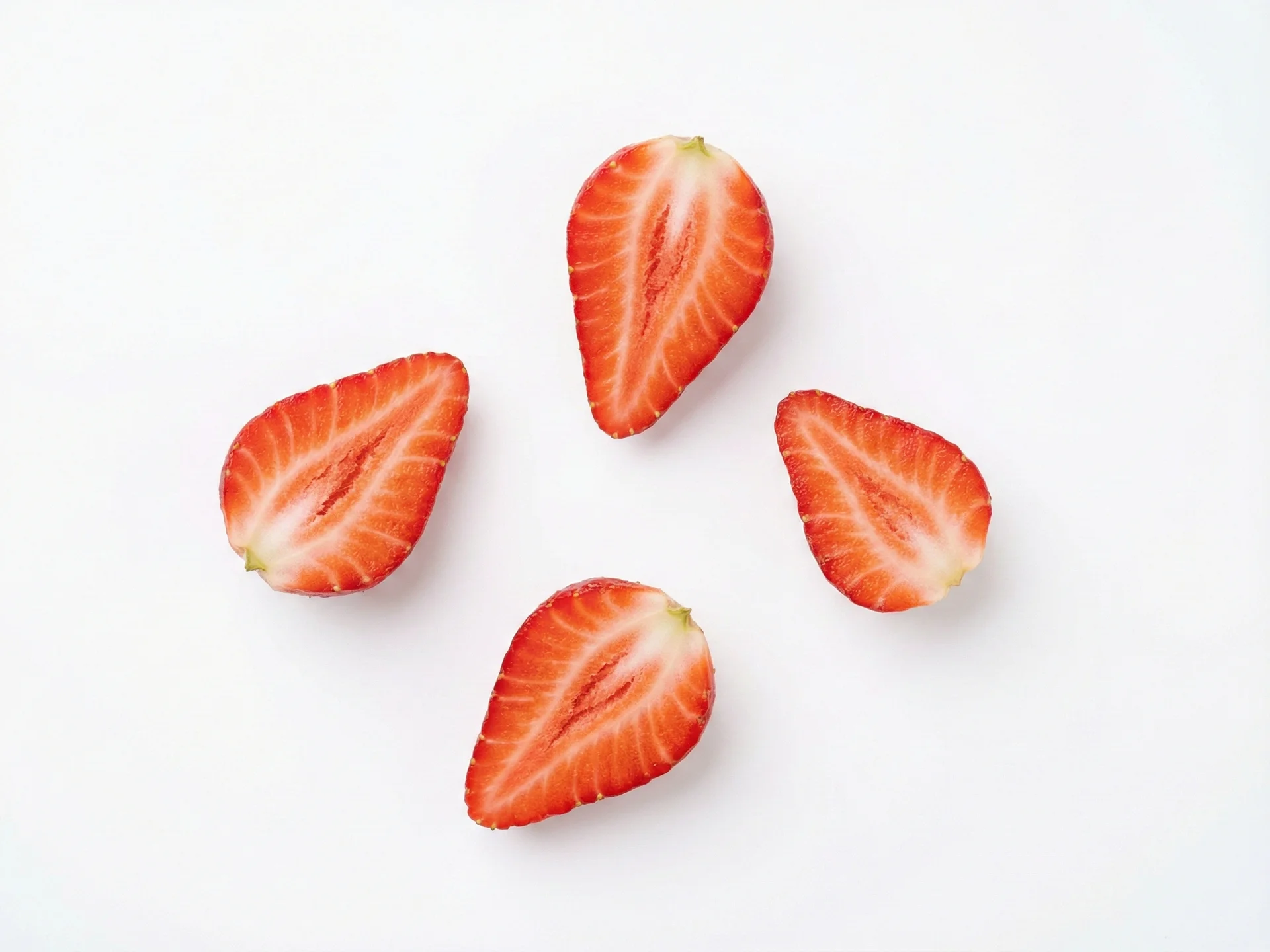
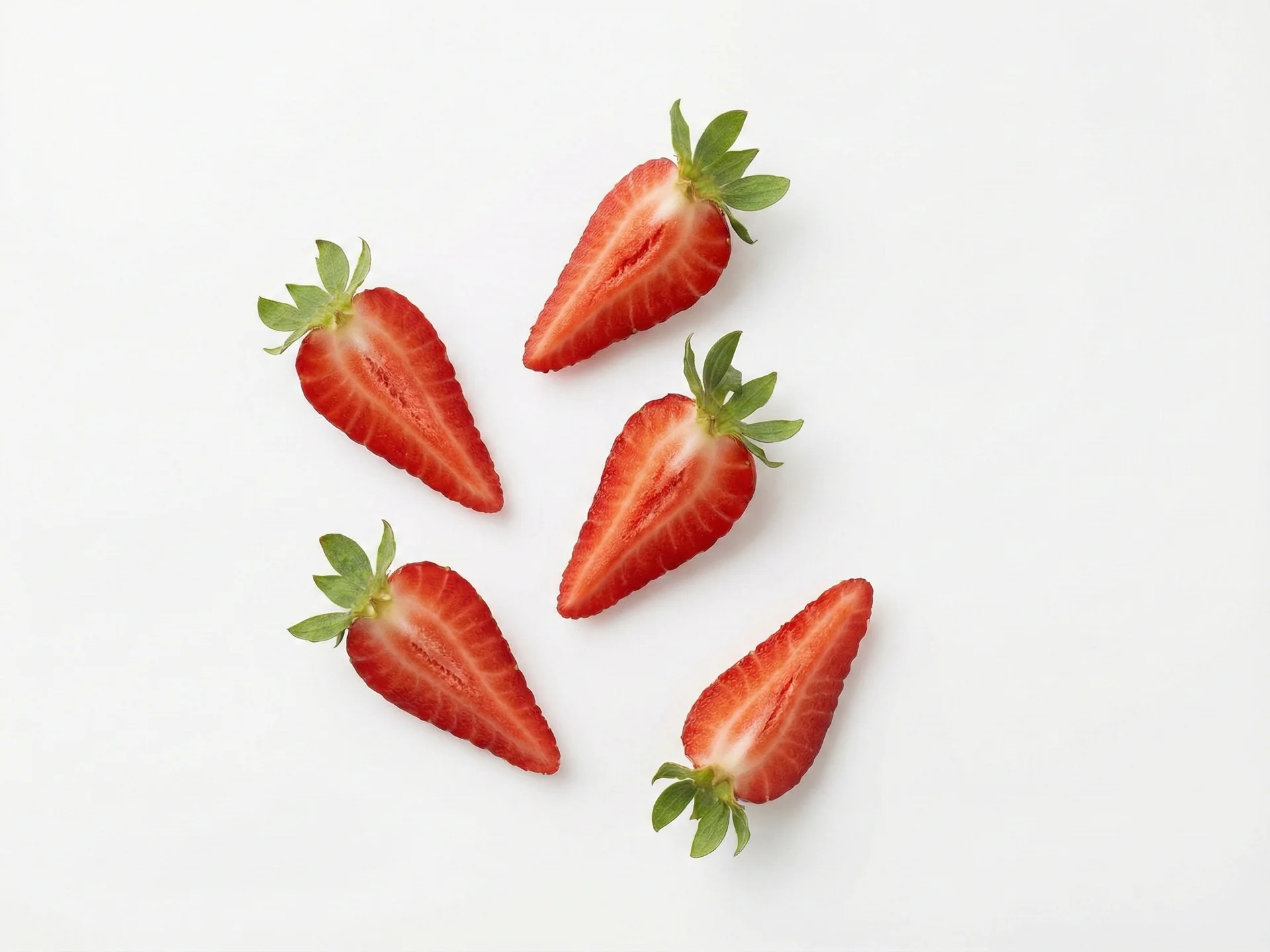
For beginners, serve large strawberry spears (quarter lengthwise) with the skin on to create easy-to-grip handles. You can also mash strawberries lightly and spread on toast strips or mix into oatmeal. Ensure berries are very ripe and soft—if needed, steam briefly to soften further.
6 to 9 months

For beginners, serve large strawberry spears (quarter lengthwise) with the skin on to create easy-to-grip handles. You can also mash strawberries lightly and spread on toast strips or mix into oatmeal. Ensure berries are very ripe and soft—if needed, steam briefly to soften further.

  • Choose ripe, red strawberries that yield slightly to pressure
  • Wash thoroughly and pat dry to reduce slipping
  • Leave the green stem on initially to create a natural handle
  • If berries are firm, steam for 2-3 minutes to soften
  • Supervise closely as babies may bite off large pieces
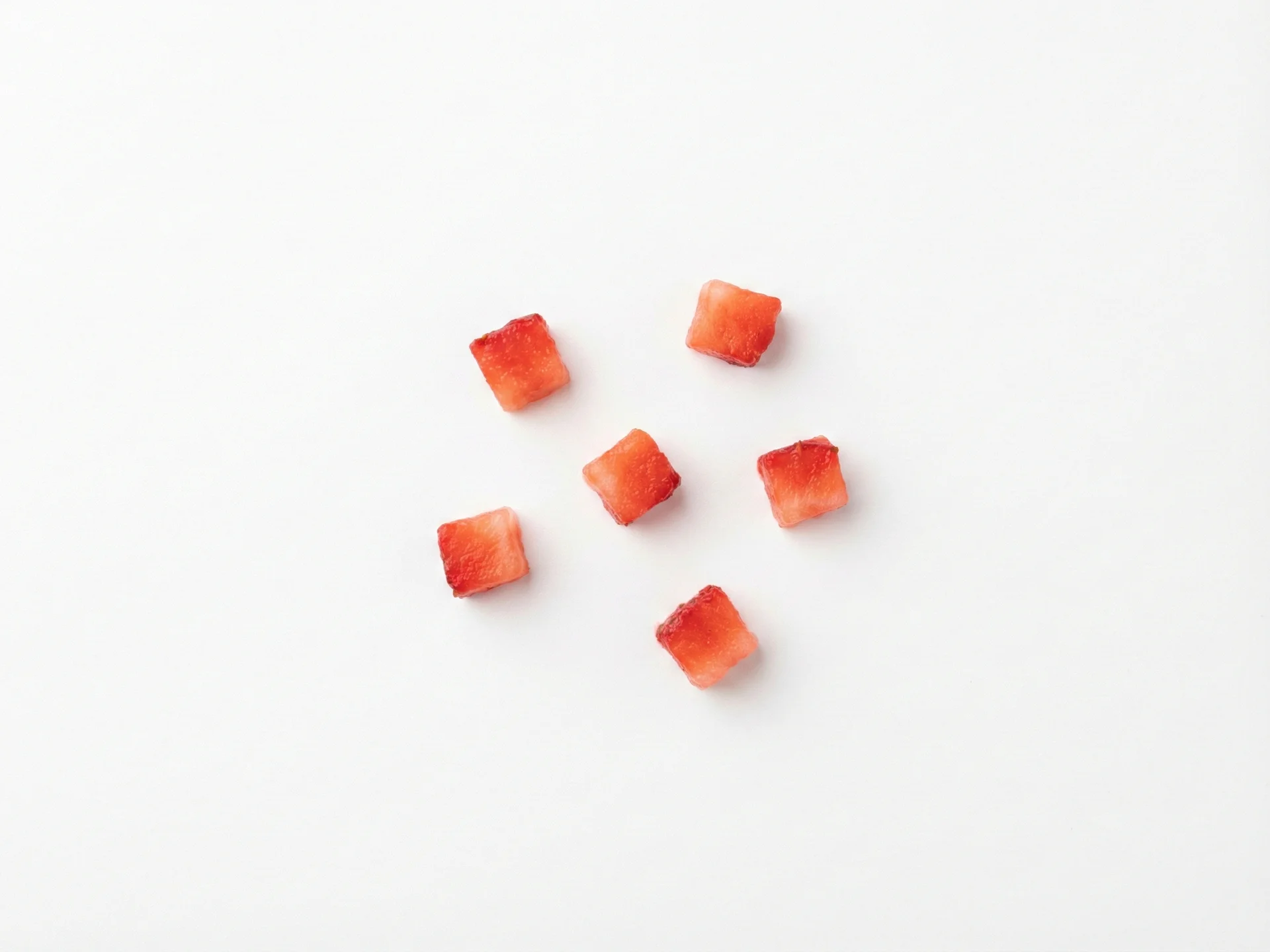
As pincer grasp develops, offer bite-sized pieces (about pea-sized) that your baby can practice picking up. You can also serve sliced strawberries or incorporate them into pancakes, muffins, or yogurt. Continue ensuring berries are soft and ripe.
9 to 12 months

As pincer grasp develops, offer bite-sized pieces (about pea-sized) that your baby can practice picking up. You can also serve sliced strawberries or incorporate them into pancakes, muffins, or yogurt. Continue ensuring berries are soft and ripe.

  • Cut strawberries into small, manageable pieces
  • Mix with other soft fruits for variety
  • Try freezing small pieces for soothing teething gums
  • Combine with cottage cheese or yogurt for protein
  • Watch for signs of chewing competence before reducing size further
Toddlers can enjoy whole strawberries (with stems removed) or sliced berries as part of balanced meals. They can now handle firmer textures and enjoy strawberries in smoothies, salads, or as snacks. Continue cutting larger berries in half to prevent choking.
12 months +

Toddlers can enjoy whole strawberries (with stems removed) or sliced berries as part of balanced meals. They can now handle firmer textures and enjoy strawberries in smoothies, salads, or as snacks. Continue cutting larger berries in half to prevent choking.

  • Teach your toddler to take small bites of whole strawberries
  • Include strawberries in fruit salads with other soft fruits
  • Make strawberry smoothies with yogurt or milk
  • Use as a natural sweetener in oatmeal or pancakes
  • Always supervise eating, especially with whole berries

Safety & allergens

Choking risk: Medium

Whole strawberries can be a choking hazard due to their size and slippery texture. For babies under 12 months, always mash or puree strawberries thoroughly, or cut them into very small pieces (no larger than a pea). Remove the green tops and any seeds that might be difficult to chew.

Not a common allergen

Strawberry is not a top allergen. As with any new food, offer it on its own and watch for any reaction.

Vitamins & minerals

Strawberries are an excellent source of vitamin C, providing more than oranges per serving, which helps boost your baby's immune function.[1] They also contain folate (vitamin B9) that supports healthy cell growth and development,[2] and manganese which plays a role in bone health and metabolism.[3]

Vitamins
Vitamin VITAMIN CVitamin VITAMIN B9Vitamin VITAMIN K
Minerals
ManganesePotassiumMagnesium