FoodsBeanSoy Milk
Soy Milk

Bean

Soy Milk

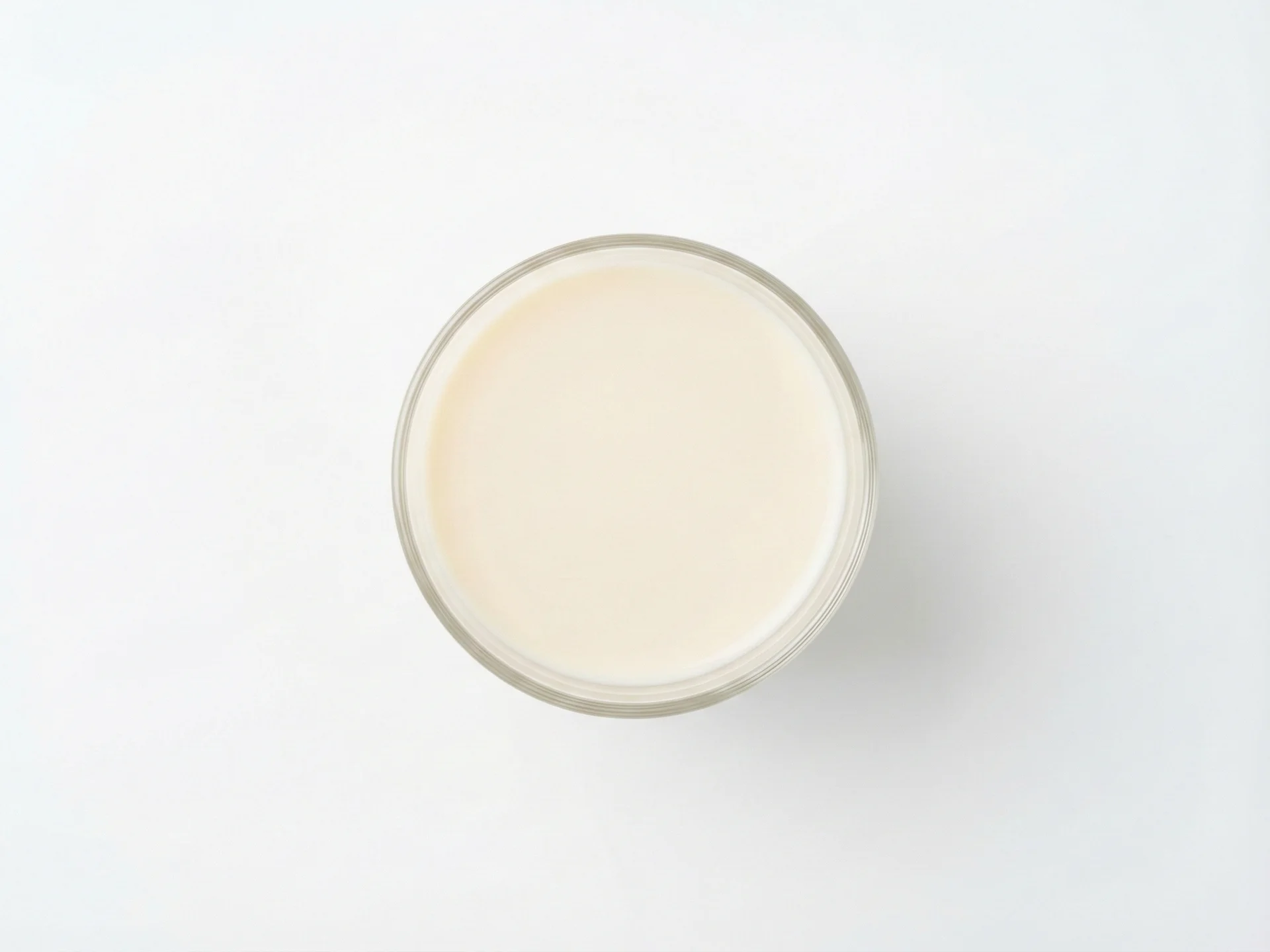
Soy milk is a creamy, plant-based alternative to cow's milk that can be a good source of nutrition for babies, especially those with dairy allergies or lactose intolerance. It's often fortified with essential vitamins and minerals like calcium and vitamin D, which are important for building strong bones and teeth.[1] Many babies enjoy its mild, slightly sweet flavor, making it a versatile addition to cereals and purees.

6m+Common allergenChoking risk: Low
First age6m+
CategoryBean
Common allergenYes
Choking riskLow

When can babies eat Soy Milk?

You can introduce soy milk as a beverage after your baby turns 1 year old, but small amounts can be used in cooking or mixed into foods like oatmeal starting around 6 months. Always check with your pediatrician first, especially if there's a family history of allergies.

How to serve Soy Milk by age

Serve soy milk in a small, open cup or straw cup to encourage drinking skills. Start with small amounts, about 2-4 ounces per day, mixed into meals like oatmeal or smoothies. Ensure it's at room temperature or slightly chilled, not too cold, to avoid discomfort.
12 months +

Serve soy milk in a small, open cup or straw cup to encourage drinking skills. Start with small amounts, about 2-4 ounces per day, mixed into meals like oatmeal or smoothies. Ensure it's at room temperature or slightly chilled, not too cold, to avoid discomfort.

  • Use a spill-proof cup to minimize mess.
  • Shake well before serving to distribute nutrients.
  • Avoid flavored or sweetened varieties to reduce sugar intake.
  • Combine with solid foods to balance nutrition.
  • Monitor for any digestive changes when first introduced.

Safety & allergens

Choking risk: Low

Soy milk is a liquid, so it poses minimal choking risk when served as a drink. However, always supervise your baby during feeding and ensure they are sitting upright. Avoid giving soy milk in a bottle to prevent tooth decay and overfeeding—use a sippy cup or open cup instead.

Common allergen

Soy allergy affects about 0.4% of children, making it one of the more common food allergies in infants.[2]

Vitamins & minerals

Fortified soy milk provides calcium and vitamin D, which work together to support healthy bone development in growing babies.[1] It also contains potassium for maintaining fluid balance and phosphorus for energy metabolism.[4] The vitamin B12 in fortified versions helps with brain and nervous system function.[5]

Vitamins
Vitamin VITAMIN DVitamin VITAMIN B2Vitamin VITAMIN B12
Minerals
CalciumPotassiumPhosphorus