FoodsFruitRaspberry
Raspberry

Fruit

Raspberry

Raspberries are a wonderful first fruit for babies, offering a naturally sweet and slightly tart flavor that many little ones enjoy. Their soft texture makes them easy to prepare, and they're packed with essential nutrients that support your baby's growth and development. They're a great source of antioxidants and fiber, which can help support a healthy digestive system.[1]

6m+Not a common allergenChoking risk: Medium
First age6m+
CategoryFruit
Common allergenNo
Choking riskMedium

When can babies eat Raspberry?

Raspberries can be introduced around 6 months of age, when your baby is ready to start solids. They're a great early fruit because they're easy to mash or puree to a smooth consistency.

How to serve Raspberry by age

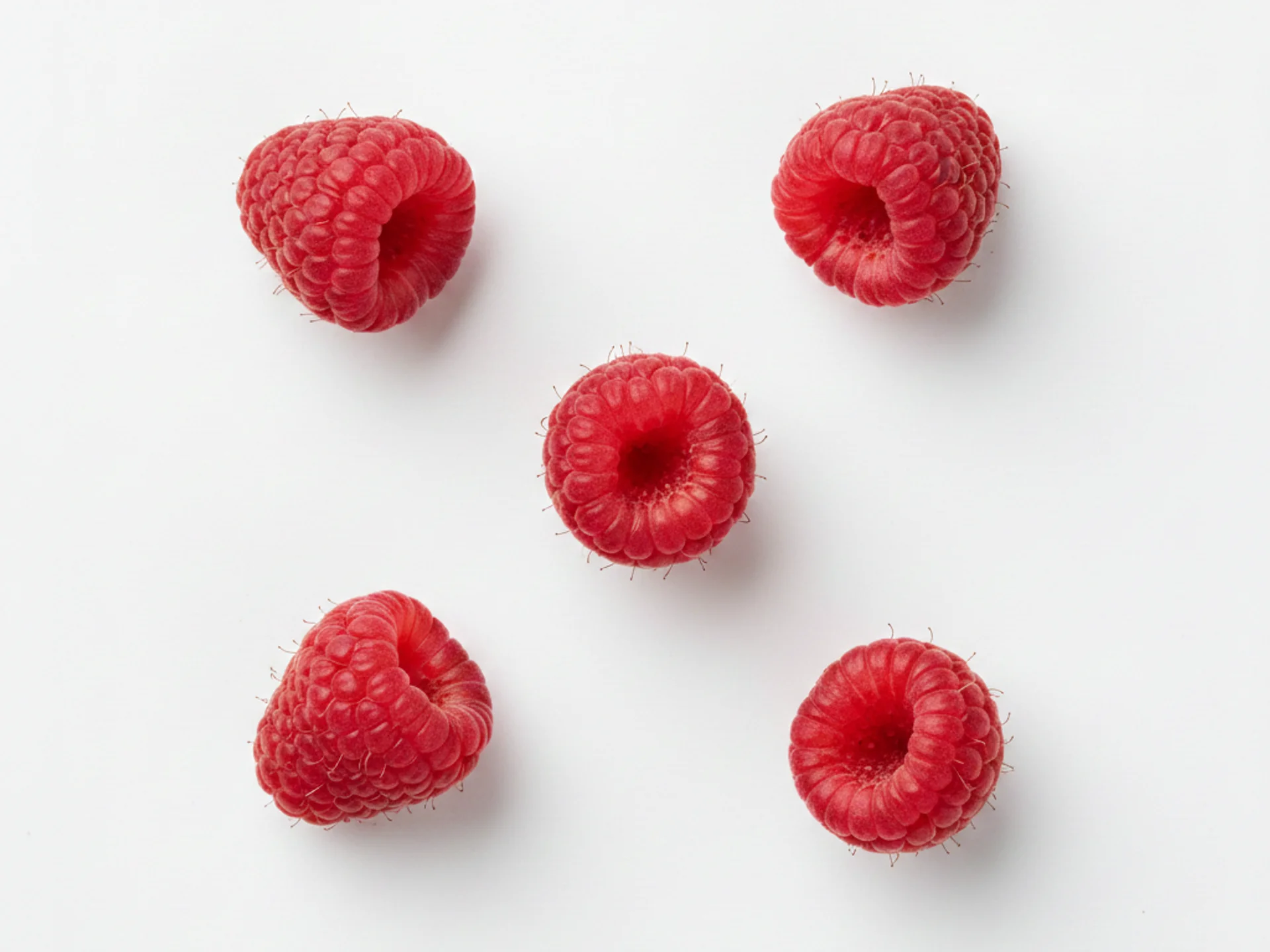
For beginners, offer whole raspberries that have been gently flattened with your fingers to make them easier to grasp. You can also mash them lightly and spread on toast strips or let your baby scoop with their hands. The soft texture requires minimal chewing.
6 to 9 months

For beginners, offer whole raspberries that have been gently flattened with your fingers to make them easier to grasp. You can also mash them lightly and spread on toast strips or let your baby scoop with their hands. The soft texture requires minimal chewing.

  • Choose large, firm raspberries that won't disintegrate immediately
  • Flatten berries slightly to reduce rolling on the tray
  • Mix mashed raspberries into plain yogurt for easier handling
  • Serve at room temperature for best texture
  • Expect lots of squishing and exploring—this is normal learning!
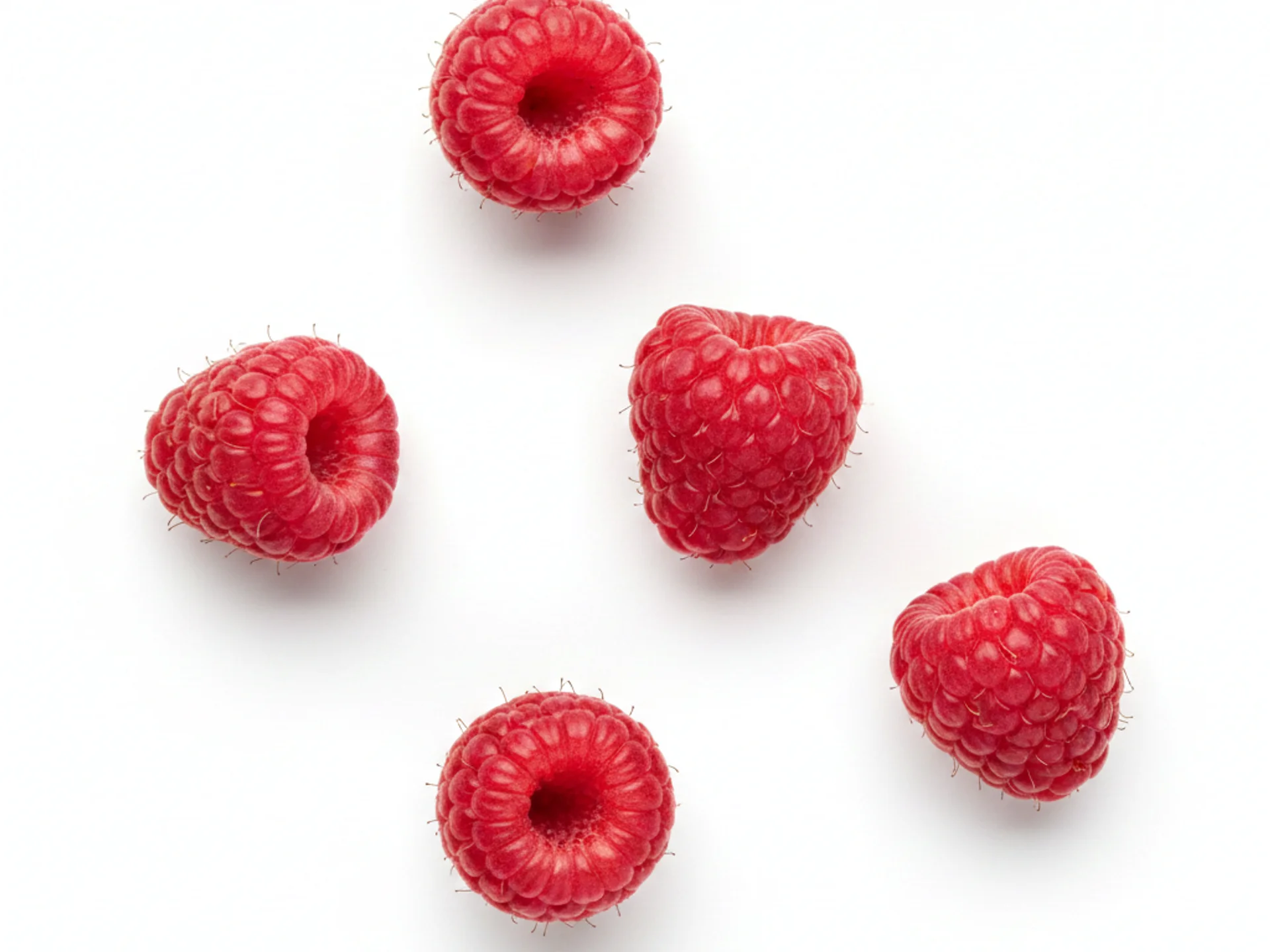
As your baby develops their pincer grasp, offer whole raspberries for them to pick up independently. You can also incorporate raspberries into more complex meals like oatmeal, pancakes, or as a topping for cottage cheese. Their improved chewing skills will handle the texture easily.
9 months +

As your baby develops their pincer grasp, offer whole raspberries for them to pick up independently. You can also incorporate raspberries into more complex meals like oatmeal, pancakes, or as a topping for cottage cheese. Their improved chewing skills will handle the texture easily.

  • Let your baby practice picking up whole berries with their fingers
  • Add raspberries to breakfast cereals or yogurt parfaits
  • Make raspberry compote to drizzle over other foods
  • Combine with other soft fruits for a fruit salad
  • Use as a natural sweetener in baked goods like muffins

Safety & allergens

Choking risk: Medium

Whole raspberries can be a choking hazard for babies due to their small, round shape and seeds. Always mash, puree, or cut them appropriately for your baby's age and feeding skills. For older babies, you can flatten them slightly with a fork or cut them into small, manageable pieces.

Not a common allergen

Raspberry is not a top allergen. As with any new food, offer it on its own and watch for any reaction.

Vitamins & minerals

Raspberries are an excellent source of vitamin C, which is crucial for supporting your baby's immune system and helping their body absorb iron from other foods.[2] They also provide vitamin K for healthy blood clotting[3], manganese for bone development[4], and dietary fiber that can help prevent constipation.[5]

Vitamins
Vitamin VITAMIN CVitamin VITAMIN KVitamin VITAMIN EVitamin VITAMIN B9
Minerals
ManganesePotassiumMagnesiumIron