FoodsVegetablePotato
Potato

Vegetable

Potato

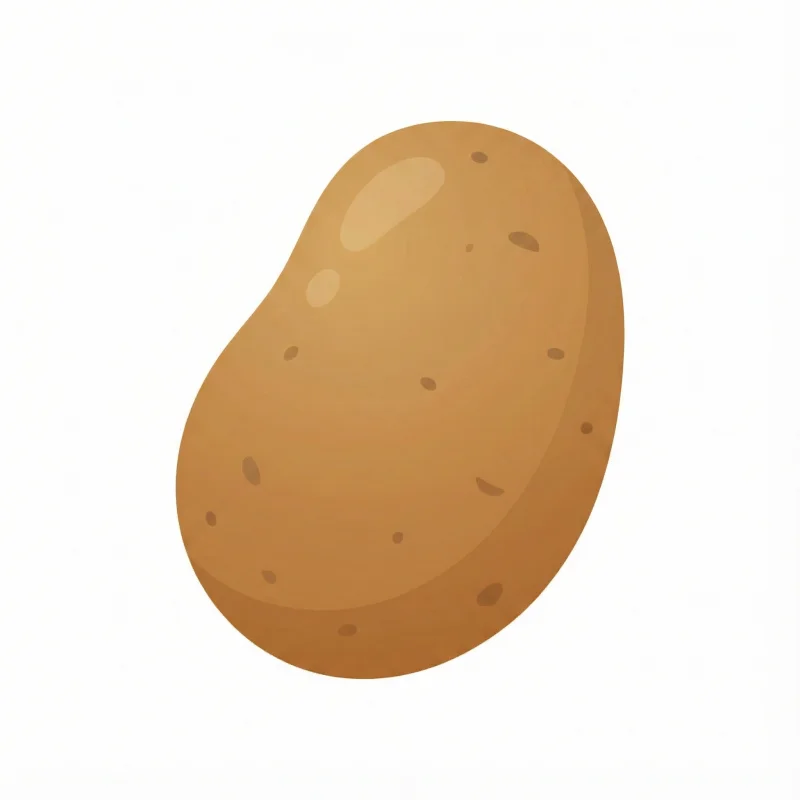
Potatoes are a wonderful first food for babies, offering a mild, slightly sweet flavor and creamy texture that most little ones enjoy. They're packed with essential nutrients like vitamin C, which supports your baby's immune system and helps their body absorb iron from other foods.[1] Plus, their natural potassium content helps maintain healthy fluid balance and muscle function.[2]

6m+Not a common allergenChoking risk: Low
First age6m+
CategoryVegetable
Common allergenNo
Choking riskLow

When can babies eat Potato?

Potatoes can be introduced around 6 months when your baby starts solids, as they're easy to digest and unlikely to cause allergies. They make a great first vegetable alongside other single-ingredient purees.

How to serve Potato by age

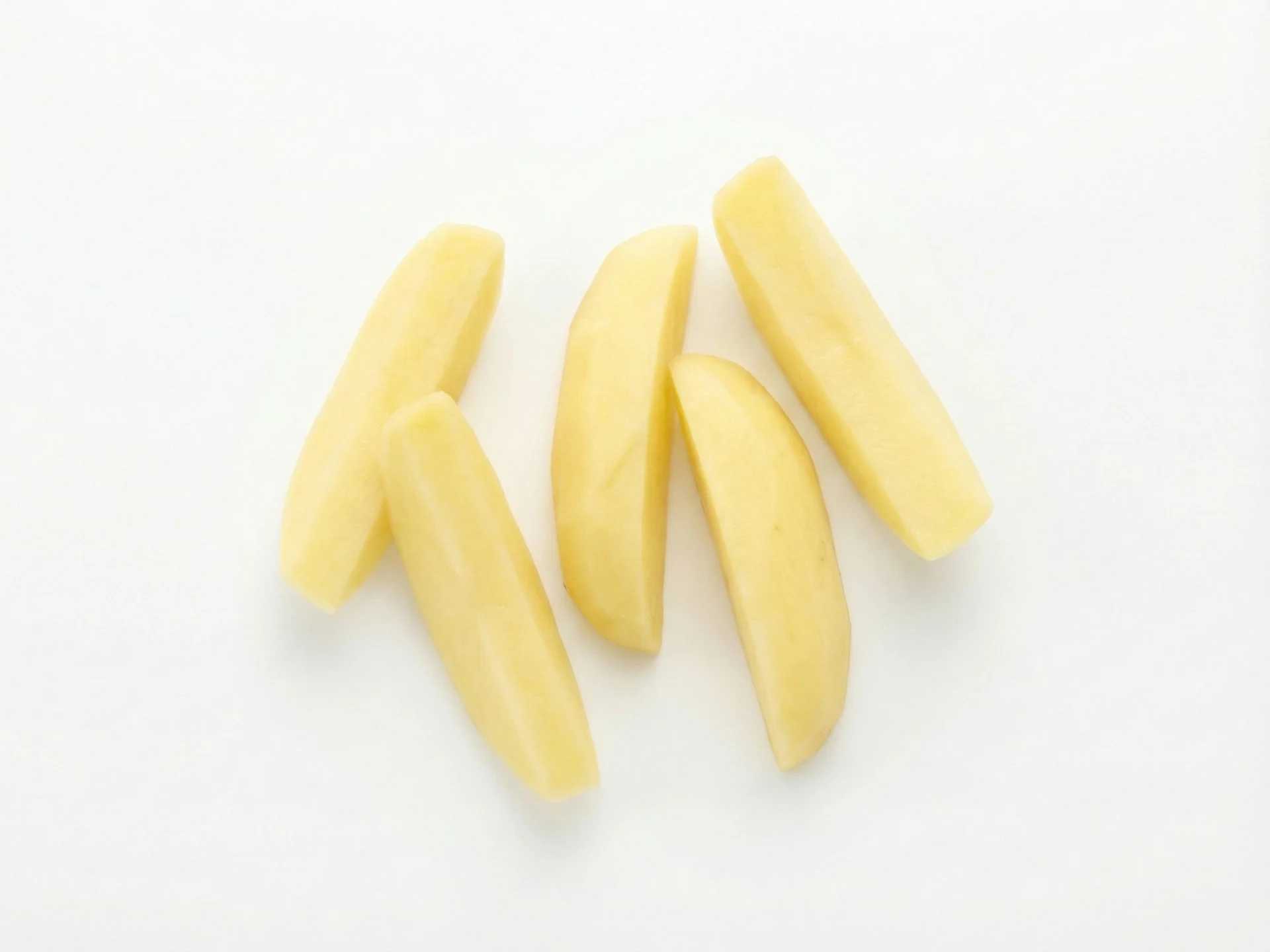
For beginners, cook potatoes until very soft (easily pierced with a fork), then cut into large, graspable sticks or wedges about the size of two adult fingers. Steaming or boiling works well to retain nutrients and achieve a mashable texture. Avoid frying or adding seasonings.
6 to 9 months

For beginners, cook potatoes until very soft (easily pierced with a fork), then cut into large, graspable sticks or wedges about the size of two adult fingers. Steaming or boiling works well to retain nutrients and achieve a mashable texture. Avoid frying or adding seasonings.

  • Peel potatoes to remove tough skins that could be a choking hazard.
  • Test softness by squishing a piece between your thumb and forefinger—it should mash easily.
  • Offer large pieces that baby can palm and gnaw on, rather than small chunks.
  • Let potatoes cool completely to avoid burns before serving.
  • Mix mashed potato with breast milk or formula for a smoother texture if needed.
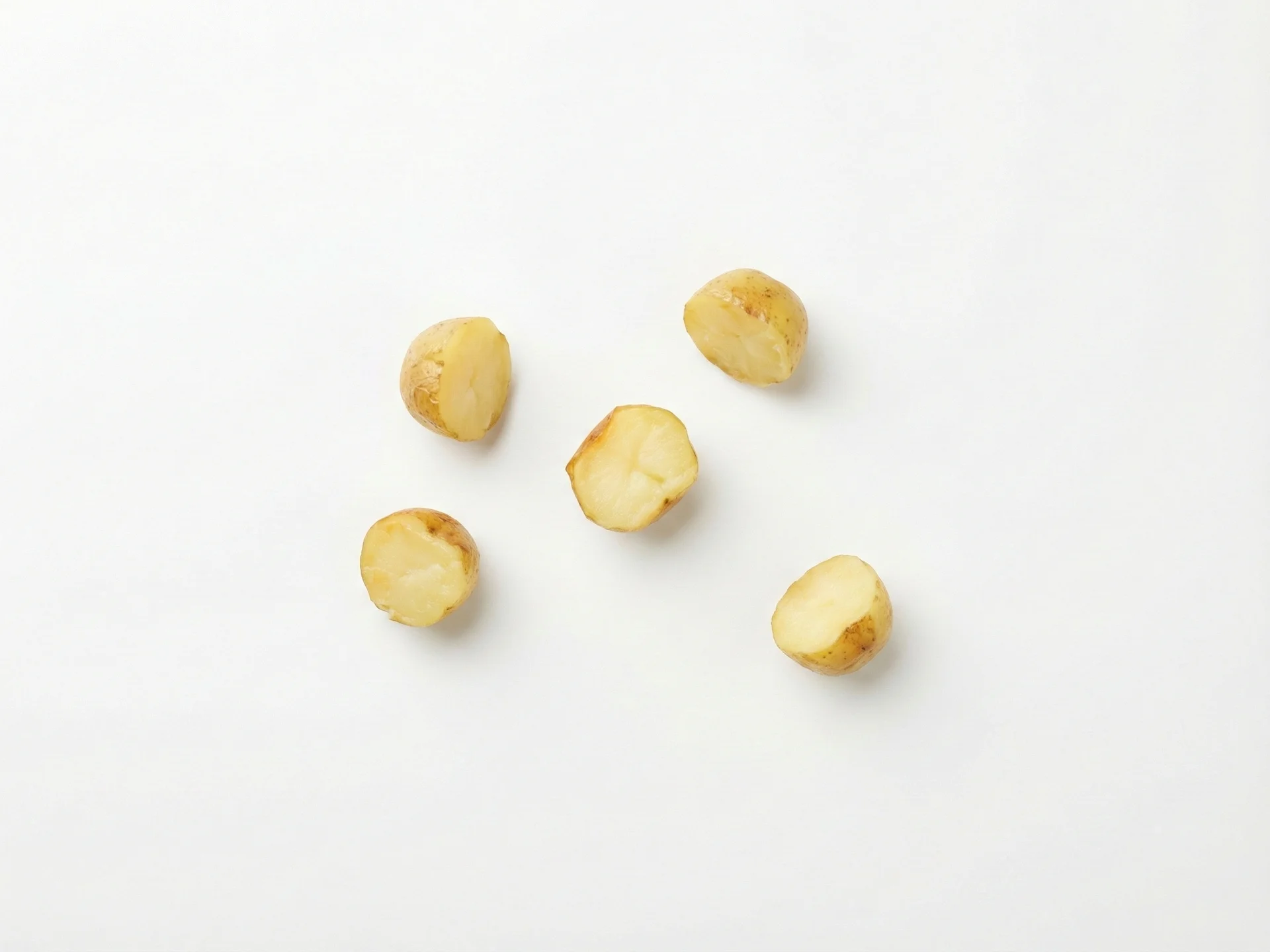
As baby's pincer grasp develops, you can offer smaller, bite-sized pieces (about pea-sized) that are still soft. Try roasting or baking for varied textures, and consider leaving skins on if well-cooked. You can also incorporate potatoes into mixed dishes like stews or patties.
9 months +

As baby's pincer grasp develops, you can offer smaller, bite-sized pieces (about pea-sized) that are still soft. Try roasting or baking for varied textures, and consider leaving skins on if well-cooked. You can also incorporate potatoes into mixed dishes like stews or patties.

  • Cut potatoes into small cubes or thin slices to encourage self-feeding with fingers.
  • Experiment with cooking methods like baking or roasting for different flavors and textures.
  • Combine potatoes with other soft vegetables or proteins in mashed or patty form.
  • If leaving skins on, scrub thoroughly and ensure they're cooked until very tender.
  • Supervise closely as smaller pieces can still pose a risk if not soft enough.

Safety & allergens

Choking risk: Low

Potatoes pose a low choking risk when prepared appropriately. For young babies, serve them mashed or pureed until completely smooth. As your baby grows, you can offer soft, well-cooked potato pieces that mash easily between your fingers. Always avoid serving raw potato or large, firm chunks.

Not a common allergen

Potato is not a top allergen. As with any new food, offer it on its own and watch for any reaction.

Vitamins & minerals

Potatoes provide vitamin C, which boosts your baby's immune defenses and enhances iron absorption from plant-based foods.[1] They're also a good source of vitamin B6, which supports brain development and helps the body make energy from food.[3] The potassium in potatoes helps regulate fluid balance and supports healthy nerve and muscle function.[2]

Vitamins
Vitamin VITAMIN CVitamin VITAMIN B6Vitamin VITAMIN B1Vitamin VITAMIN B3
Minerals
PotassiumMagnesiumIronPhosphorus