FoodsFruitPlum
Plum

Fruit

Plum

Plums are a wonderful first fruit for your baby, offering a naturally sweet taste and soft texture that most little ones enjoy. They're packed with vitamins and fiber, which can help support healthy digestion and growth.[1] Plus, their juicy flavor makes them a tasty addition to many baby food combinations.

6m+Not a common allergenChoking risk: Low
First age6m+
CategoryFruit
Common allergenNo
Choking riskLow

When can babies eat Plum?

Plums can be introduced around 6 months when your baby starts solids, as they're easy to digest and rarely cause allergies. They're perfect for introducing new textures as your baby grows.

How to serve Plum by age

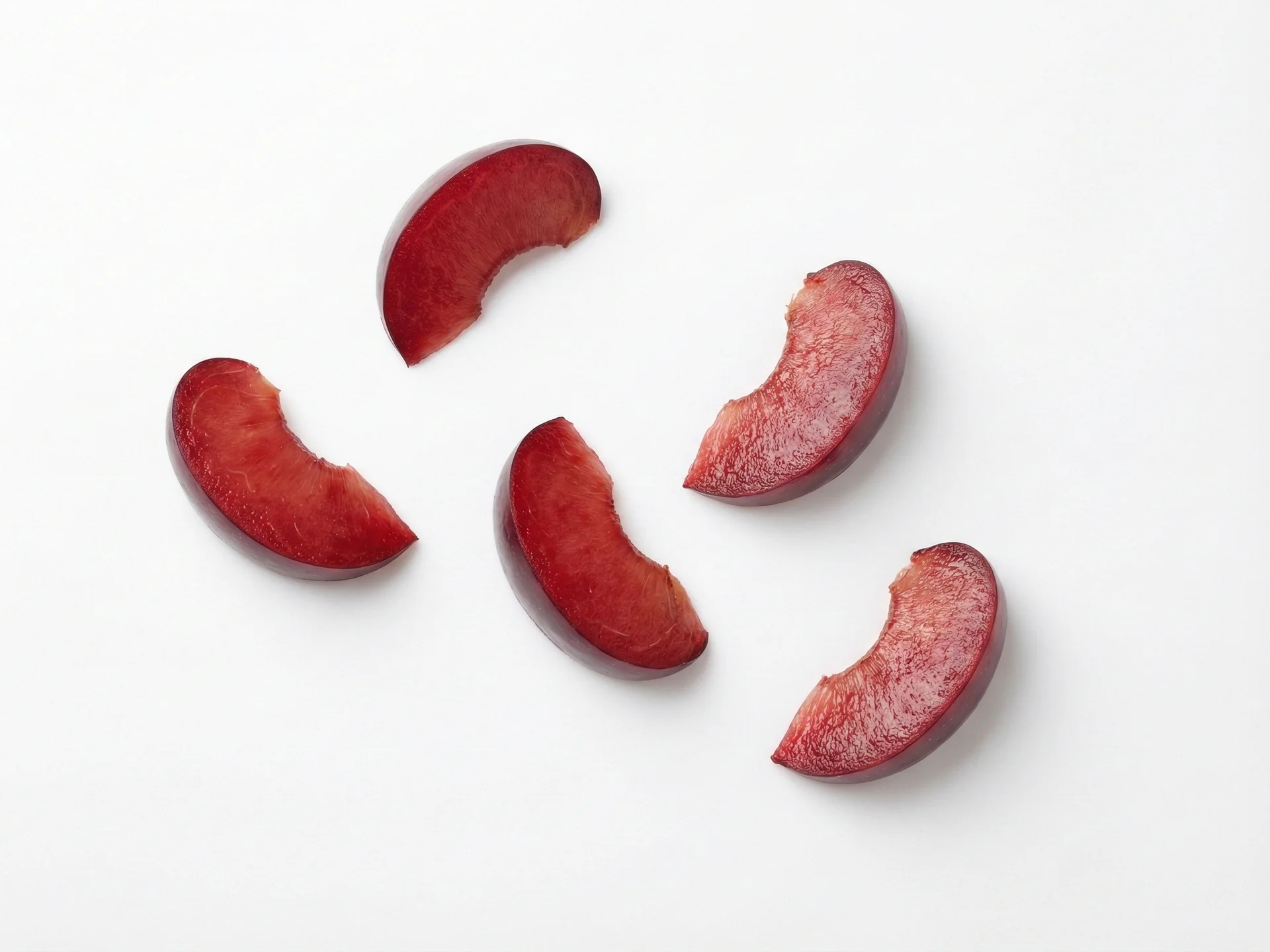
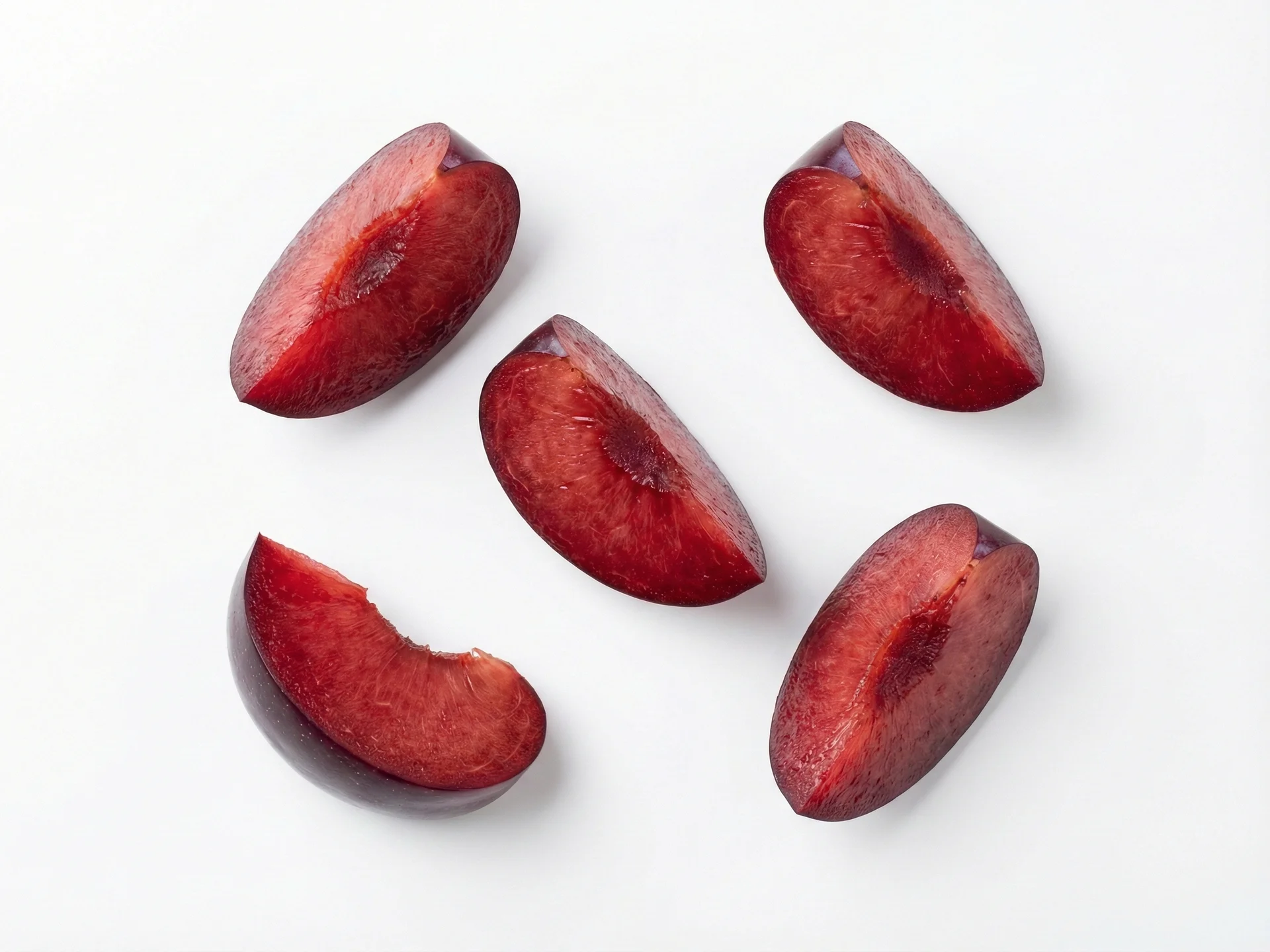
For babies 6-9 months, offer large, soft wedges with the pit removed, about the size of two adult fingers. This allows your baby to hold and gum the fruit easily, exploring the texture and flavor while minimizing choking risk. Ensure the plum is ripe and soft enough to mash with gentle pressure.
6 to 9 months

For babies 6-9 months, offer large, soft wedges with the pit removed, about the size of two adult fingers. This allows your baby to hold and gum the fruit easily, exploring the texture and flavor while minimizing choking risk. Ensure the plum is ripe and soft enough to mash with gentle pressure.

  • Choose ripe, soft plums that yield to a gentle squeeze.
  • Cut into large wedges or spears that are easy for little hands to grip.
  • Remove the pit completely to avoid any choking hazards.
  • Supervise closely during meals to ensure safe eating.
  • Offer as a standalone snack or alongside other soft foods like avocado.
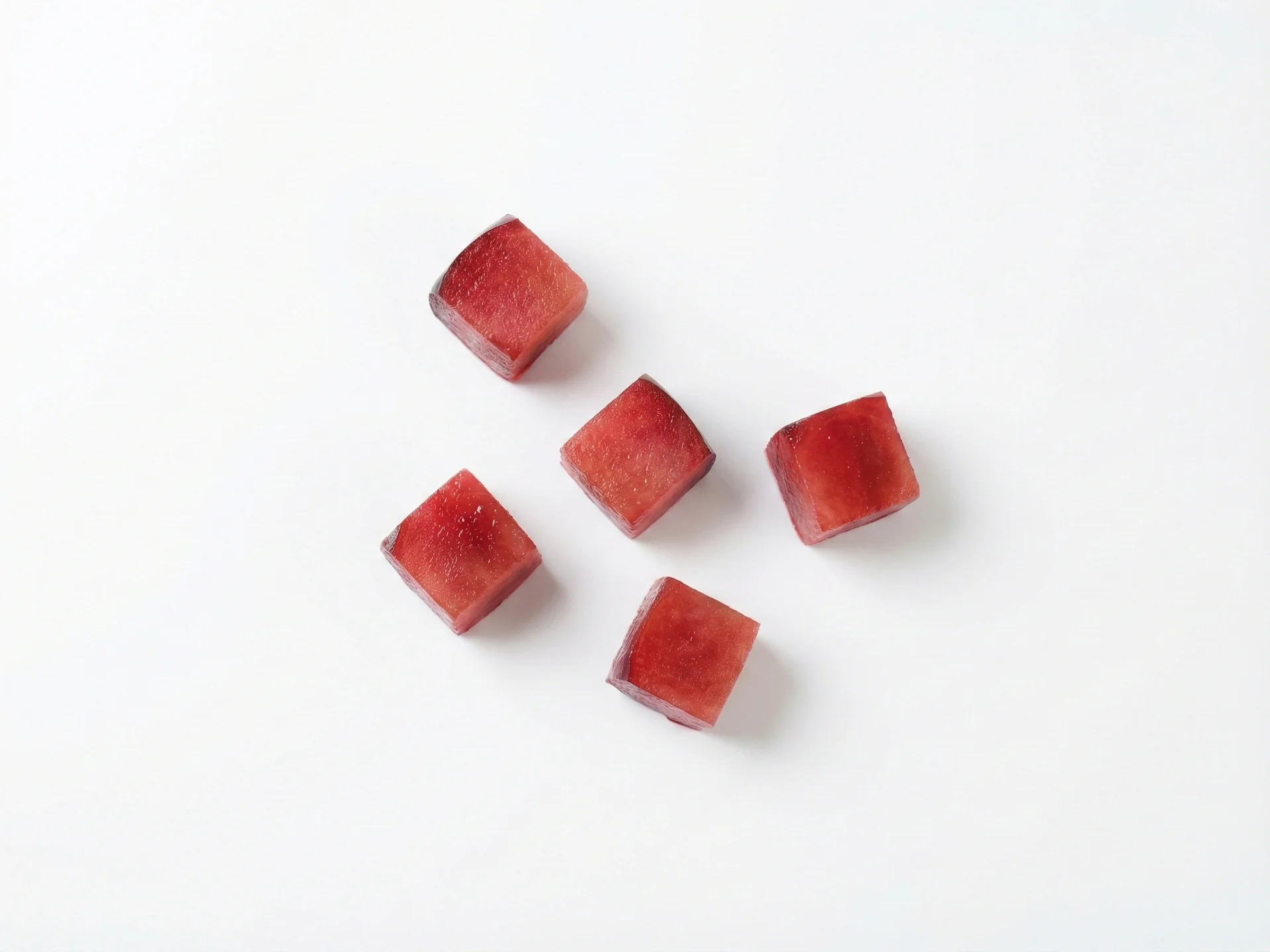
For babies 9-12 months, you can offer smaller, bite-sized pieces that they can practice picking up with their pincer grasp. The plum should still be soft and ripe, but you can include the skin if your baby tolerates it well, adding extra texture and nutrients.
9 to 12 months

For babies 9-12 months, you can offer smaller, bite-sized pieces that they can practice picking up with their pincer grasp. The plum should still be soft and ripe, but you can include the skin if your baby tolerates it well, adding extra texture and nutrients.

  • Cut plums into small, pea-sized pieces to encourage fine motor skills.
  • Leave the skin on for added fiber, unless it causes difficulty.
  • Mix with yogurt or cereal for varied textures and flavors.
  • Monitor for any signs of gagging as they adjust to smaller pieces.
  • Introduce cooked plums in sauces or baked goods for variety.
For toddlers 12 months and up, plums can be served in a variety of ways, including whole (with supervision), sliced, or incorporated into meals. At this stage, they can handle firmer textures and more complex preparations, like plum compotes or baked dishes.
12 months +

For toddlers 12 months and up, plums can be served in a variety of ways, including whole (with supervision), sliced, or incorporated into meals. At this stage, they can handle firmer textures and more complex preparations, like plum compotes or baked dishes.

  • Offer whole plums with close supervision to practice biting and chewing.
  • Use plums in recipes like muffins, sauces, or smoothies for nutritional boosts.
  • Encourage self-feeding with sliced plums as a healthy snack option.
  • Combine with proteins like chicken or grains for balanced meals.
  • Experiment with different plum varieties to expand taste preferences.

Safety & allergens

Choking risk: Low

Plums have a soft texture when ripe, making them low-risk for choking. Always remove the pit and peel for younger babies to ensure a smooth consistency. For older babies, you can offer small, soft pieces that they can easily gum.

Not a common allergen

Plum is not a top allergen. As with any new food, offer it on its own and watch for any reaction.

Vitamins & minerals

Plums provide vitamin C, which supports your baby's immune system and helps with iron absorption from other foods.[2] They also contain fiber that can aid digestion and prevent constipation, which is common when starting solids.[3] The potassium in plums helps maintain healthy fluid balance and muscle function.[4]

Vitamins
Vitamin VITAMIN AVitamin VITAMIN CVitamin VITAMIN KVitamin VITAMIN B1Vitamin VITAMIN B2Vitamin VITAMIN B3Vitamin VITAMIN B6
Minerals
PotassiumCopperManganeseIronMagnesium