FoodsGrainOats
Oats

Grain

Oats

Oats are a wonderful first grain for babies, offering a creamy texture and mild, slightly sweet flavor that most little ones enjoy. They're packed with B vitamins that help support your baby's energy metabolism and nervous system development[1], and their soluble fiber can promote healthy digestion and prevent constipation[2]. Plus, they're naturally gluten-free (when certified), making them a great option for many families.

6m+Common allergenChoking risk: Low
First age6m+
CategoryGrain
Common allergenYes
Choking riskLow

When can babies eat Oats?

Oats can be introduced around 6 months when your baby shows signs of readiness for solids, like sitting up with support and showing interest in food. They're gentle on tiny tummies and easy to prepare as a smooth porridge.

How to serve Oats by age

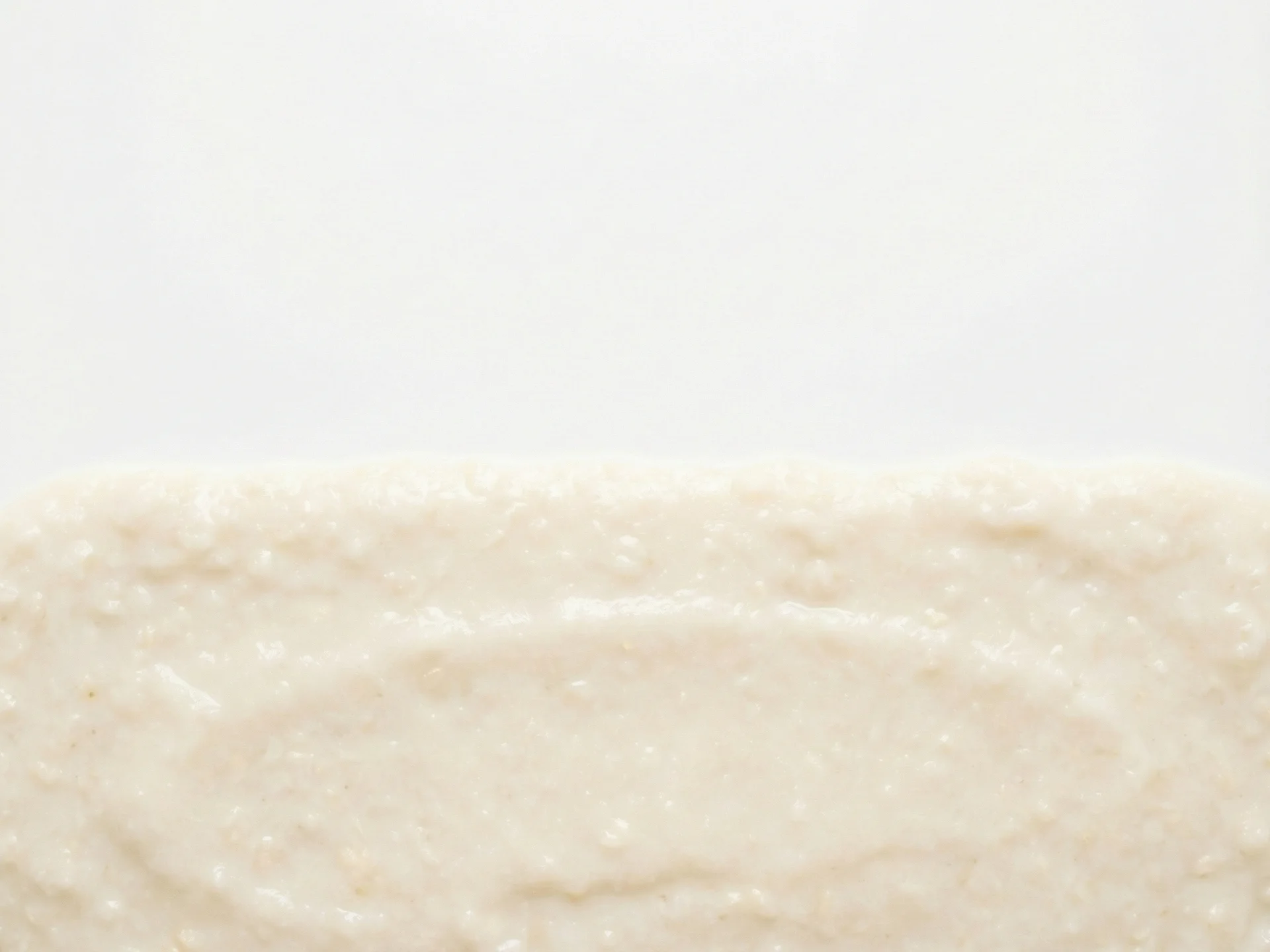
For babies 6-9 months, cook oats to a very soft, porridge-like consistency using breast milk, formula, or water. Serve in a thick layer on a tray or in a bowl for hand-scooping, or offer on pre-loaded spoons. Avoid adding sugar, salt, or honey.
6 to 9 months

For babies 6-9 months, cook oats to a very soft, porridge-like consistency using breast milk, formula, or water. Serve in a thick layer on a tray or in a bowl for hand-scooping, or offer on pre-loaded spoons. Avoid adding sugar, salt, or honey.

  • Use rolled oats for quicker cooking and smoother texture.
  • Mix with pureed fruits or vegetables for added flavor and nutrients.
  • Let oats cool to a safe temperature before serving.
  • Offer small, manageable amounts to reduce mess and waste.
  • Supervise closely as your baby explores the texture.
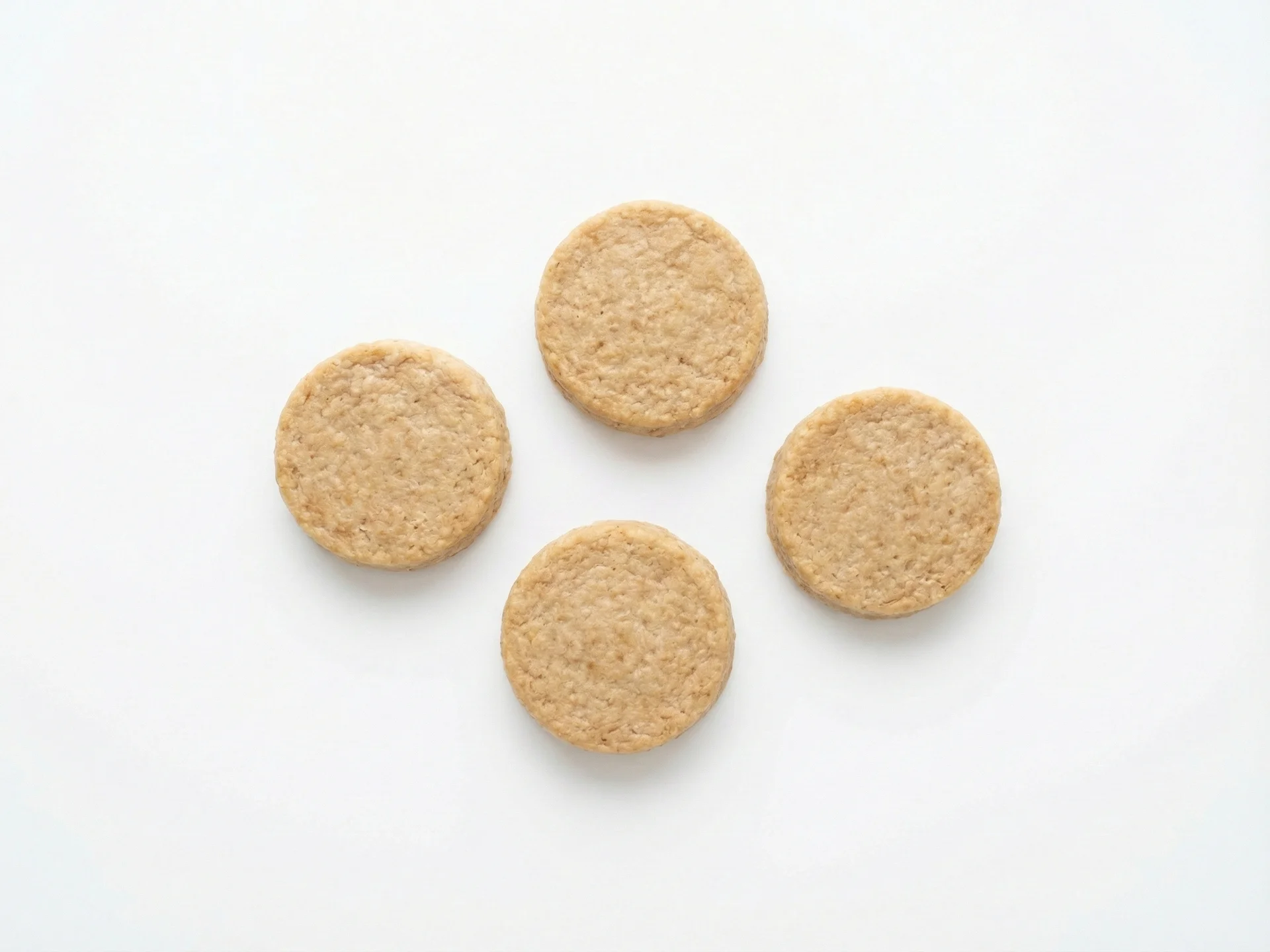
For babies 9 months and up, you can offer thicker oatmeal or cooked oat patties that are easy to hold. Introduce more texture by adding soft-cooked fruit pieces or finely chopped nuts if no allergies are present. Oats can also be used in baked goods like muffins or pancakes.
9 months +

For babies 9 months and up, you can offer thicker oatmeal or cooked oat patties that are easy to hold. Introduce more texture by adding soft-cooked fruit pieces or finely chopped nuts if no allergies are present. Oats can also be used in baked goods like muffins or pancakes.

  • Experiment with steel-cut oats for a chewier texture as your baby's skills develop.
  • Combine oats with mashed beans or lentils for a protein boost.
  • Make oat-based finger foods like fritters or bars for self-feeding practice.
  • Incorporate spices like cinnamon or nutmeg for gentle flavor variety.
  • Always cut any added ingredients into age-appropriate sizes to minimize choking risk.

Safety & allergens

Choking risk: Low

Oats are naturally low-risk when prepared as a smooth porridge for young babies. For older babies eating thicker textures, ensure the oats are well-cooked and soft. Always supervise your baby during meals and avoid adding whole nuts or large chunks of fruit until they're older.

Common allergen

Introduce on its own and watch closely for any signs of a reaction.

Vitamins & minerals

Oats are a nutritional powerhouse for growing babies. They contain iron, which is crucial for healthy blood and brain development[3], and magnesium that supports bone health and muscle function[4]. The B vitamins in oats help convert food into energy and support a healthy nervous system[1], while the soluble fiber aids digestion and helps maintain stable blood sugar levels[2].

Vitamins
Vitamin VITAMIN B1Vitamin VITAMIN B2Vitamin VITAMIN B3Vitamin VITAMIN B5Vitamin VITAMIN B6Vitamin VITAMIN B9
Minerals
IronMagnesiumPhosphorusZincManganeseSelenium