FoodsBeanLentils
Lentils

Bean

Lentils

Lentils are a fantastic first food for your baby, offering a creamy texture when cooked and a mild, earthy flavor that many little ones enjoy. They're packed with plant-based protein to support your baby's growth and development, and their high fiber content helps promote healthy digestion and prevent constipation.[1] Plus, they're naturally gluten-free and easy to prepare in various textures as your baby grows.

6m+Not a common allergenChoking risk: Low
First age6m+
CategoryBean
Common allergenNo
Choking riskLow

When can babies eat Lentils?

Lentils can be introduced around 6 months when your baby starts solids, as they're soft, nutritious, and easy to digest. They're a great early protein source for both breastfed and formula-fed babies.

How to serve Lentils by age

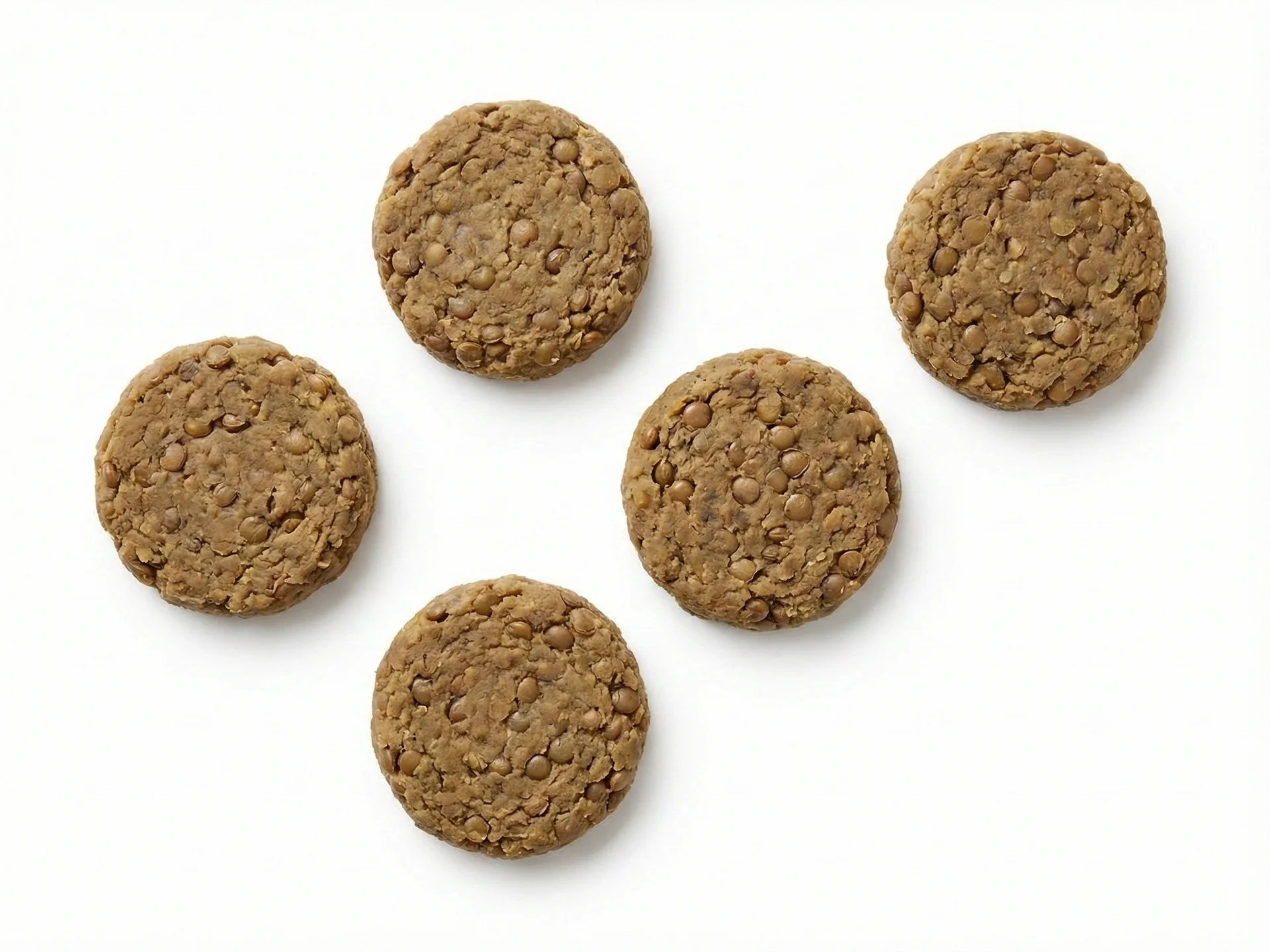
For babies 6-9 months, cook lentils until very soft and mash them lightly with a fork or blend into a coarse puree. Serve as a spread on toast strips or as soft, flattened patties that are easy to grasp. Avoid whole lentils to minimize choking risk.
6 to 9 months

For babies 6-9 months, cook lentils until very soft and mash them lightly with a fork or blend into a coarse puree. Serve as a spread on toast strips or as soft, flattened patties that are easy to grasp. Avoid whole lentils to minimize choking risk.

  • Use red or yellow lentils, as they cook faster and break down more easily.
  • Mash cooked lentils with a bit of breast milk, formula, or water to achieve a lumpy, scoopable texture.
  • Offer lentil mash on pre-loaded spoons or let your baby explore with their hands.
  • Mix with mashed avocado or sweet potato to add moisture and flavor.
  • Always cool lentils to a safe temperature before serving.
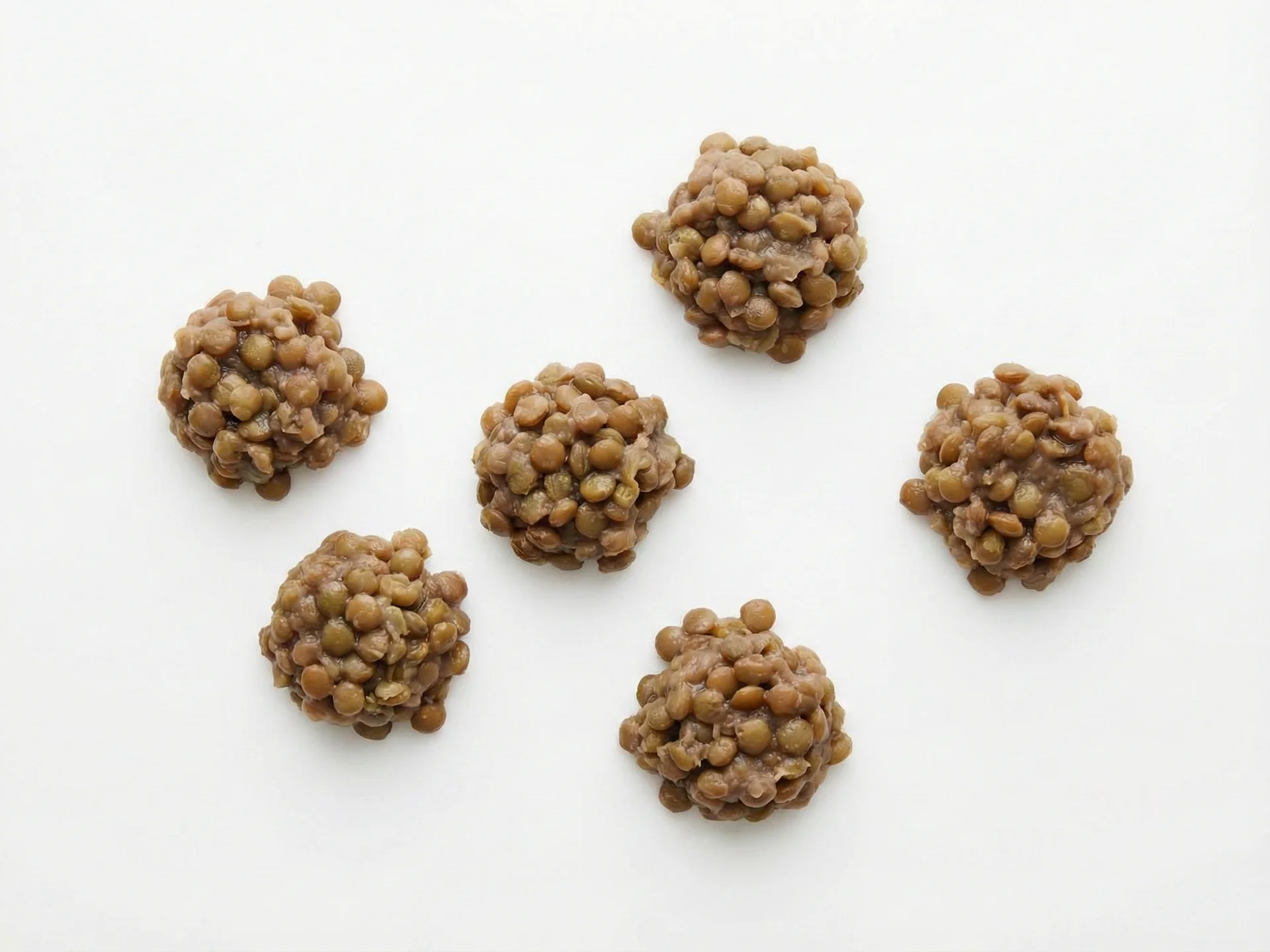
For babies 9-12 months, serve cooked lentils as small, soft clumps or mixed into dishes like soups and stews. You can also offer them as finger foods in lentil patties or balls, ensuring they are moist and break apart easily in the mouth.
9 to 12 months

For babies 9-12 months, serve cooked lentils as small, soft clumps or mixed into dishes like soups and stews. You can also offer them as finger foods in lentil patties or balls, ensuring they are moist and break apart easily in the mouth.

  • Combine lentils with cooked grains like rice or oatmeal to create textured meals.
  • Shape lentil mixtures into small, bite-sized balls or patties and bake until firm but soft.
  • Introduce different lentil varieties, such as green or brown, for varied textures.
  • Encourage self-feeding by offering lentils on a plate with other soft foods.
  • Monitor your baby as they handle more textured lentils to ensure safe chewing.
For toddlers 12 months and up, serve whole cooked lentils as part of family meals, such as in salads, curries, or pasta dishes. They can handle more texture, so lentils can be firmer but still soft enough to mash with gentle pressure.
12 months +

For toddlers 12 months and up, serve whole cooked lentils as part of family meals, such as in salads, curries, or pasta dishes. They can handle more texture, so lentils can be firmer but still soft enough to mash with gentle pressure.

  • Incorporate lentils into favorite dishes like lentil soup or shepherd's pie for familiar flavors.
  • Offer a variety of lentil-based recipes to expand your toddler's palate.
  • Teach your toddler to use utensils by serving lentils with a spoon or fork.
  • Pair lentils with colorful vegetables to make meals visually appealing.
  • Continue to avoid undercooked or hard lentils to prevent choking.

Safety & allergens

Choking risk: Low

Lentils have a low choking risk when properly prepared. For young babies, always serve them fully cooked and mashed or pureed to a smooth consistency. As your baby gets older and can handle more texture, you can offer them slightly mashed or whole, but ensure they're soft enough to squish between your fingers.

Not a common allergen

Lentils is not a top allergen. As with any new food, offer it on its own and watch for any reaction.

Vitamins & minerals

Lentils are a nutritional powerhouse for babies, providing iron that's essential for healthy brain development and preventing anemia.[2] They're also rich in B vitamins like folate (vitamin B9), which supports cell growth and development, and zinc, which boosts the immune system and aids in wound healing.[3] The fiber in lentils helps maintain regular bowel movements and supports a healthy gut microbiome.[1]

Vitamins
Vitamin VITAMIN B1Vitamin VITAMIN B2Vitamin VITAMIN B3Vitamin VITAMIN B5Vitamin VITAMIN B6Vitamin VITAMIN B9
Minerals
IronZincMagnesiumPotassiumPhosphorusManganese