FoodsProteinLamb
Lamb

Protein

Lamb

Lamb is a tender, flavorful meat that's packed with nutrients to support your baby's growth and development. Its rich iron content helps build healthy red blood cells[2], while the high-quality protein supports muscle and tissue growth[3]. The mild flavor makes it a great introduction to meats for little ones.

6m+Not a common allergenChoking risk: Medium
First age6m+
CategoryProtein
Common allergenNo
Choking riskMedium

When can babies eat Lamb?

Lamb can be introduced around 6 months when your baby starts solids, as long as it's prepared in an age-appropriate texture. It's a wonderful first meat option because it's naturally tender and easy to digest.

How to serve Lamb by age

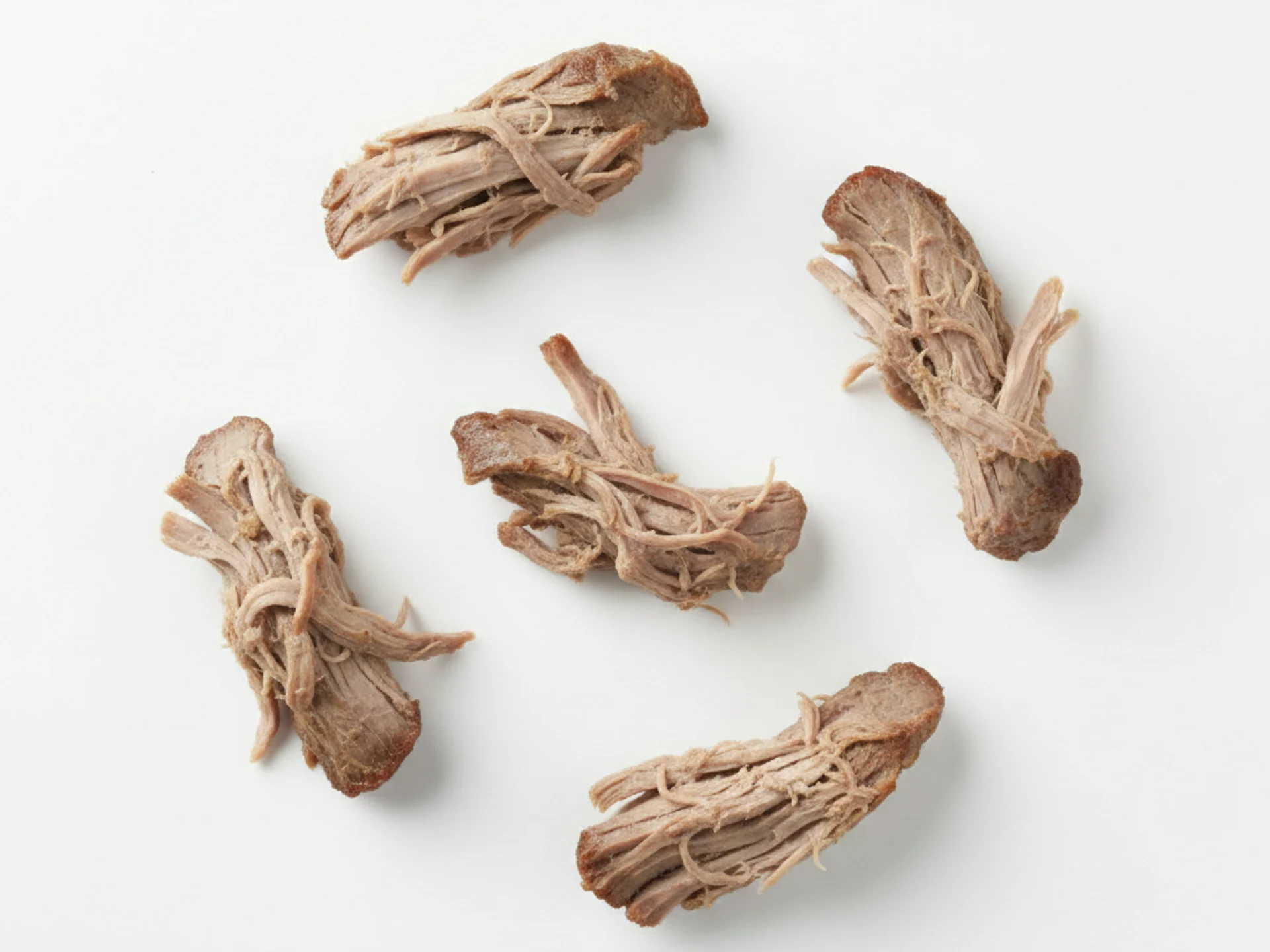
For babies 6-9 months, cook lamb until very tender and shred it into fine, small pieces or mash it lightly. Serve in soft, manageable strips about the size of your finger to encourage self-feeding and reduce choking risk. Ensure the texture is moist and easy to gum.
6 to 9 months

For babies 6-9 months, cook lamb until very tender and shred it into fine, small pieces or mash it lightly. Serve in soft, manageable strips about the size of your finger to encourage self-feeding and reduce choking risk. Ensure the texture is moist and easy to gum.

  • Slow-cook lamb with broth until it falls apart easily.
  • Shred the meat finely and mix with a bit of breast milk or formula for moisture.
  • Offer small, finger-sized strips that your baby can hold and explore.
  • Avoid adding salt or strong spices; keep it plain or with mild herbs.
  • Always test the tenderness by squishing a piece between your fingers.
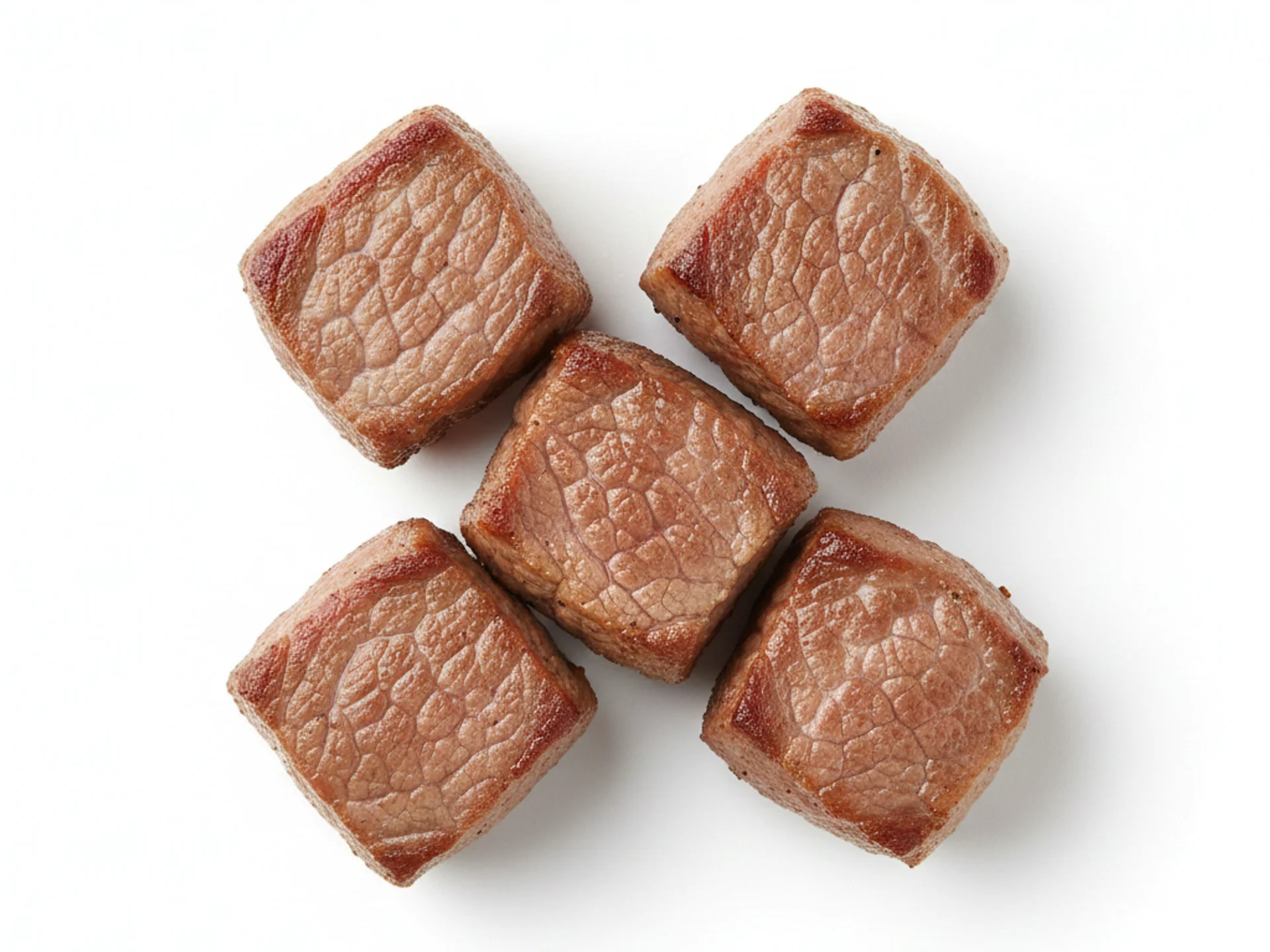
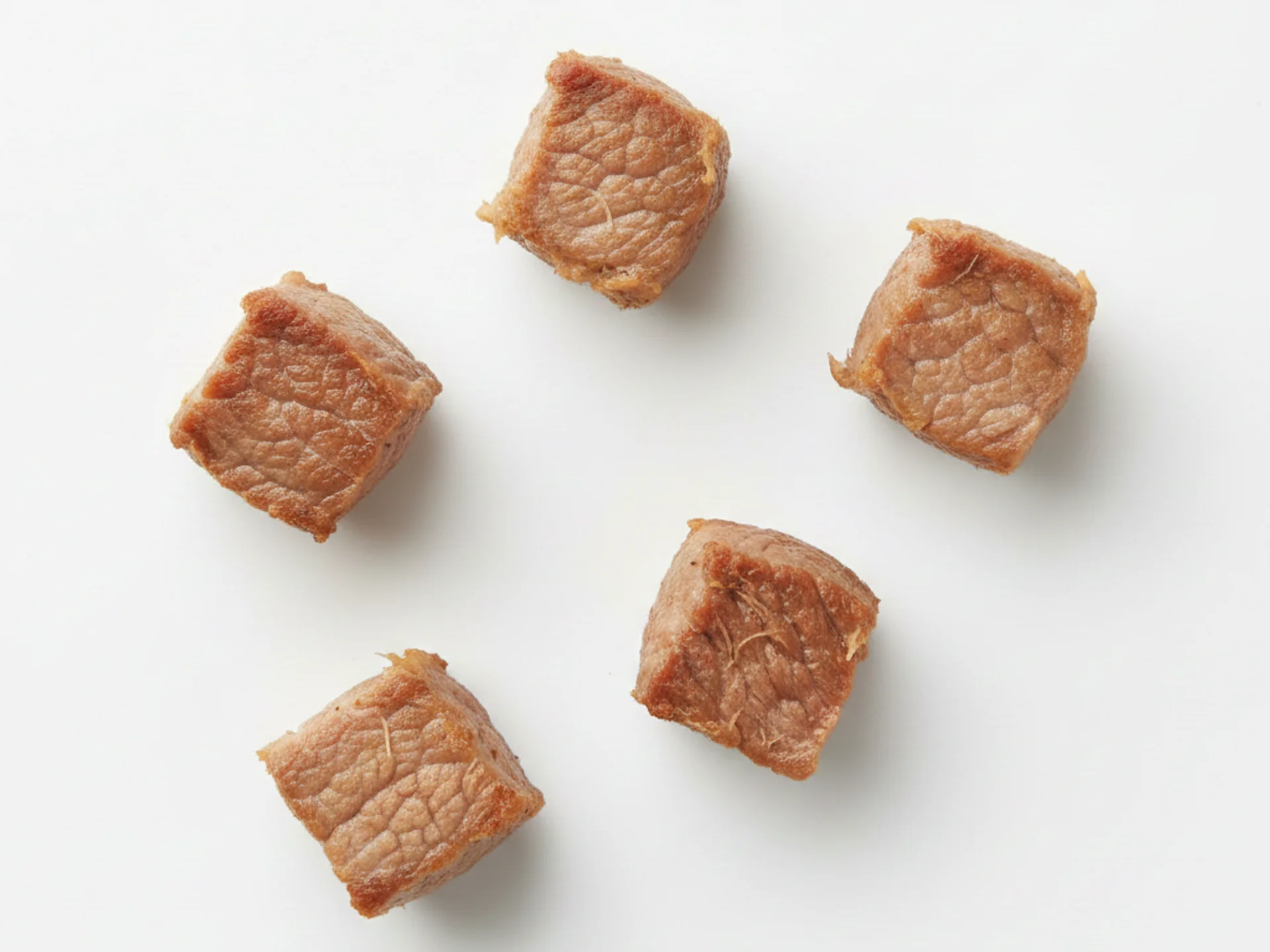
For babies 9-12 months, you can offer slightly larger, soft pieces of lamb as their chewing skills improve. Cut cooked lamb into small, bite-sized cubes or form into soft meatballs. Continue to ensure it's tender and moist to support safe eating.
9 to 12 months

For babies 9-12 months, you can offer slightly larger, soft pieces of lamb as their chewing skills improve. Cut cooked lamb into small, bite-sized cubes or form into soft meatballs. Continue to ensure it's tender and moist to support safe eating.

  • Cut lamb into pea-sized pieces to practice pincer grasp.
  • Make soft lamb meatballs by mixing ground lamb with egg or breadcrumbs and baking.
  • Combine lamb with cooked vegetables like carrots or peas for varied textures.
  • Introduce mild seasonings like garlic or rosemary in small amounts.
  • Supervise closely as your baby may try to swallow larger pieces.
For toddlers 12 months and up, lamb can be served in more varied forms, such as in stews, patties, or as part of family meals. Cut into age-appropriate sizes and ensure it's still tender, but you can introduce more flavors and textures as their eating skills advance.
12 months +

For toddlers 12 months and up, lamb can be served in more varied forms, such as in stews, patties, or as part of family meals. Cut into age-appropriate sizes and ensure it's still tender, but you can introduce more flavors and textures as their eating skills advance.

  • Include lamb in mixed dishes like shepherd's pie or soft tacos.
  • Cut into small, chewable pieces that match your toddler's ability.
  • Experiment with herbs and spices to expand flavor preferences.
  • Ensure lamb is cooked to an internal temperature of 145°F (63°C) for safety.
  • Encourage self-feeding with utensils as motor skills develop.

Safety & allergens

Choking risk: Medium

Lamb can be a choking hazard if not prepared properly. For young babies, always serve it pureed or finely minced. As your baby grows, you can offer small, soft shreds or tiny, tender pieces. Avoid tough, gristly cuts and always supervise mealtime.

Not a common allergen

Lamb is not a top allergen. As with any new food, offer it on its own and watch for any reaction.

Vitamins & minerals

Lamb provides excellent nutrition for growing babies. It's rich in iron, which is crucial for healthy blood and brain development[2], and contains zinc for immune support[4]. The phosphorus in lamb works with calcium to build strong bones[5], while potassium helps maintain proper fluid balance and muscle function[6]. With 16.8g of protein per 100g, it supports your baby's rapid growth needs[3].

Vitamins
Vitamin VITAMIN B12Vitamin VITAMIN B3Vitamin VITAMIN B6Vitamin VITAMIN B2
Minerals
IronZincSeleniumPhosphorusPotassium