FoodsVegetableKale
Kale

Vegetable

Kale

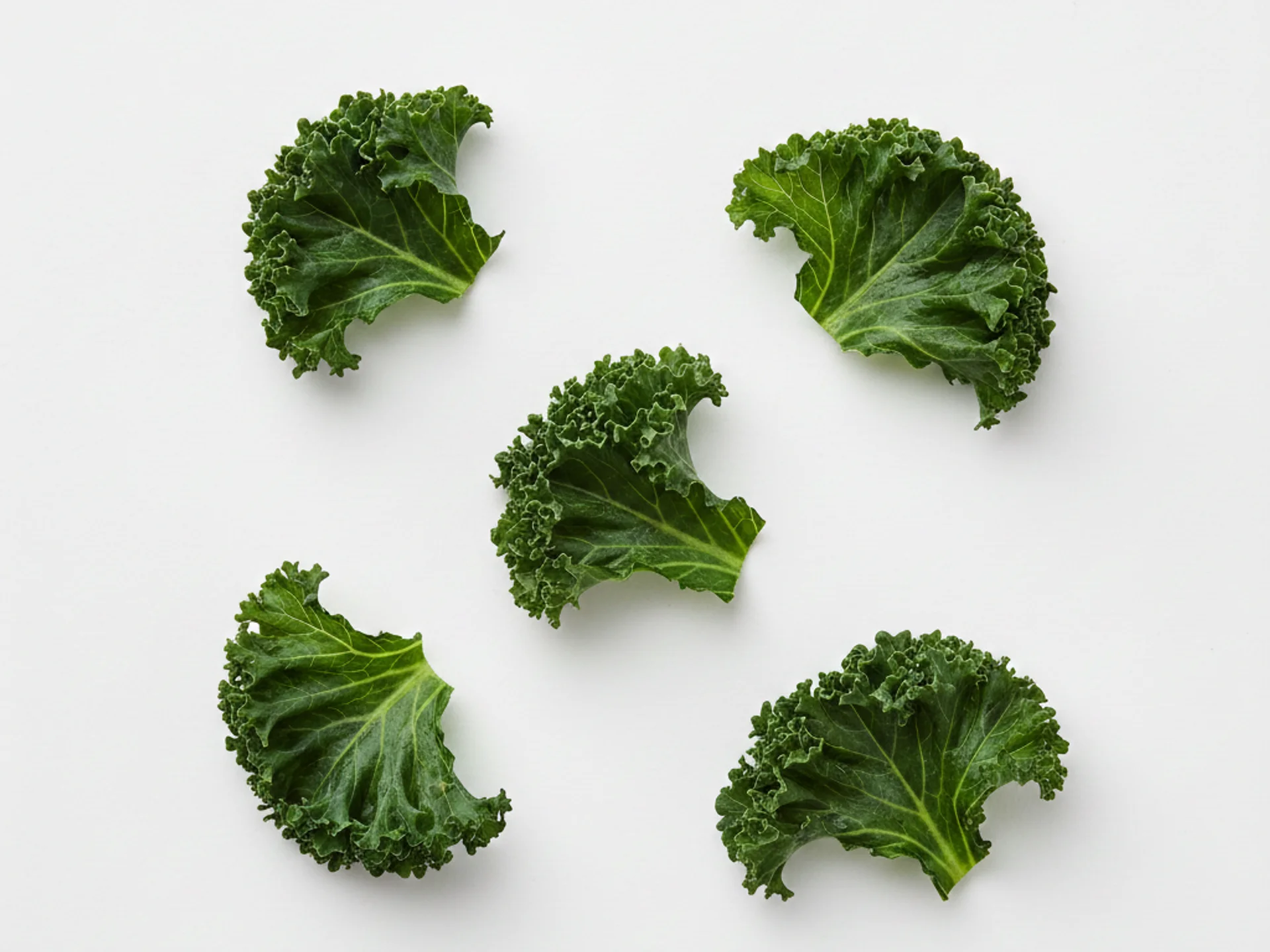
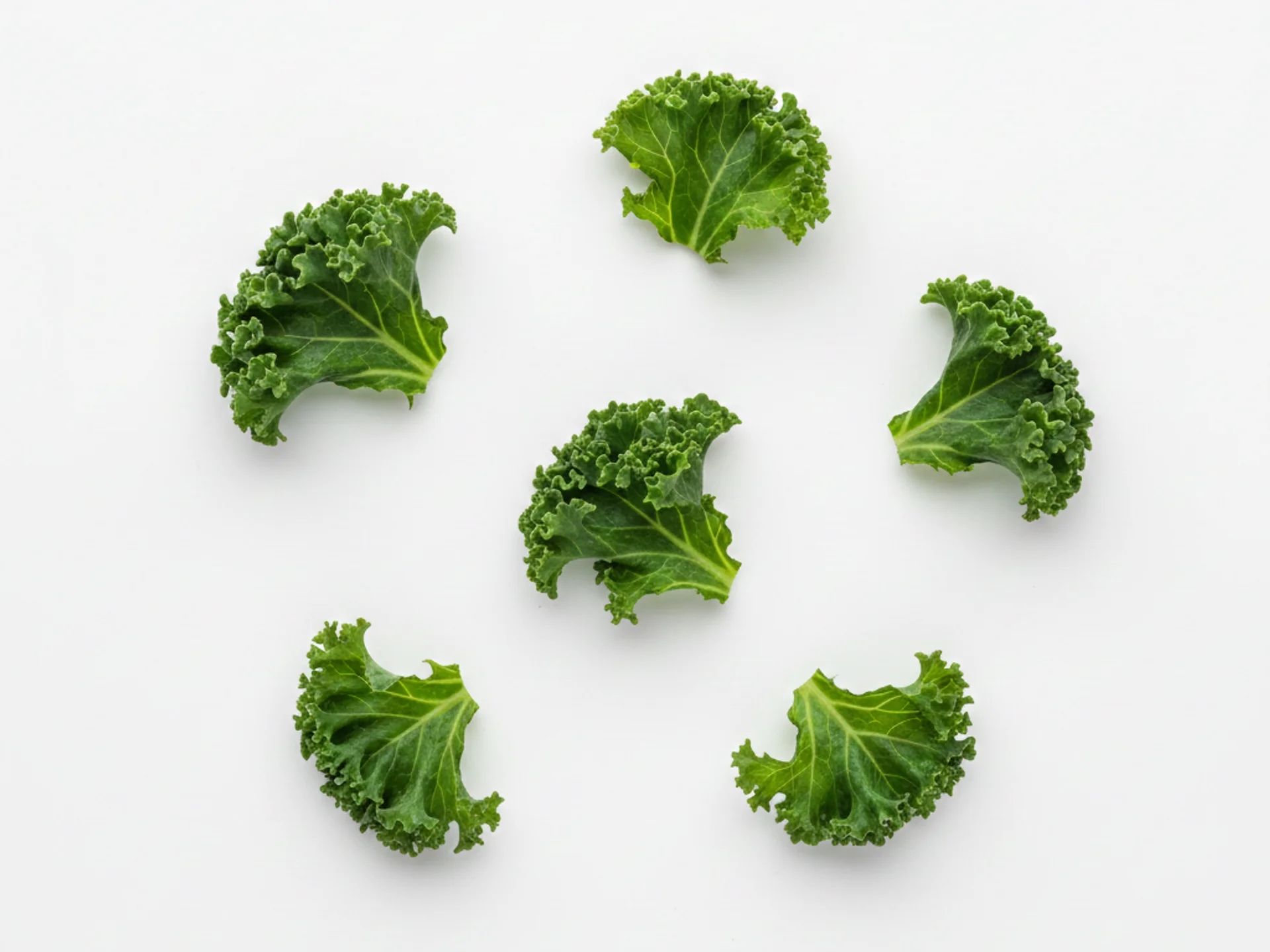
Kale is a wonderful leafy green to introduce to your baby, offering a mild, earthy flavor that many little ones enjoy. It's packed with nutrients that support healthy growth, including vitamin A for vision and immune function[1], vitamin C for iron absorption and skin health[2], and vitamin K for healthy blood clotting[3]. The slightly chewy texture when cooked soft makes it a great food for exploring new textures.

6m+Not a common allergenChoking risk: Low
First age6m+
CategoryVegetable
Common allergenNo
Choking riskLow

When can babies eat Kale?

You can introduce kale around 6 months when your baby starts solids, as it's easy to prepare into safe textures. Some parents wait until 8-9 months if they're concerned about the fibrous texture.

How to serve Kale by age

For babies 6-9 months, steam or boil kale leaves until very soft and tender, then chop them into tiny, pea-sized pieces or mash them lightly. You can also blend cooked kale into a smooth puree and mix it with other soft foods like avocado or banana to create a manageable texture.
6 to 9 months

For babies 6-9 months, steam or boil kale leaves until very soft and tender, then chop them into tiny, pea-sized pieces or mash them lightly. You can also blend cooked kale into a smooth puree and mix it with other soft foods like avocado or banana to create a manageable texture.

  • Always remove the tough stems before cooking, as they can be hard to chew.
  • Cook kale for at least 10-15 minutes until it's easily mashed with a fork.
  • Mix kale with iron-rich foods like lentils to boost nutritional value.
  • Offer small amounts initially to check for any digestive issues.
  • Use a food processor to finely chop cooked kale for easier consumption.
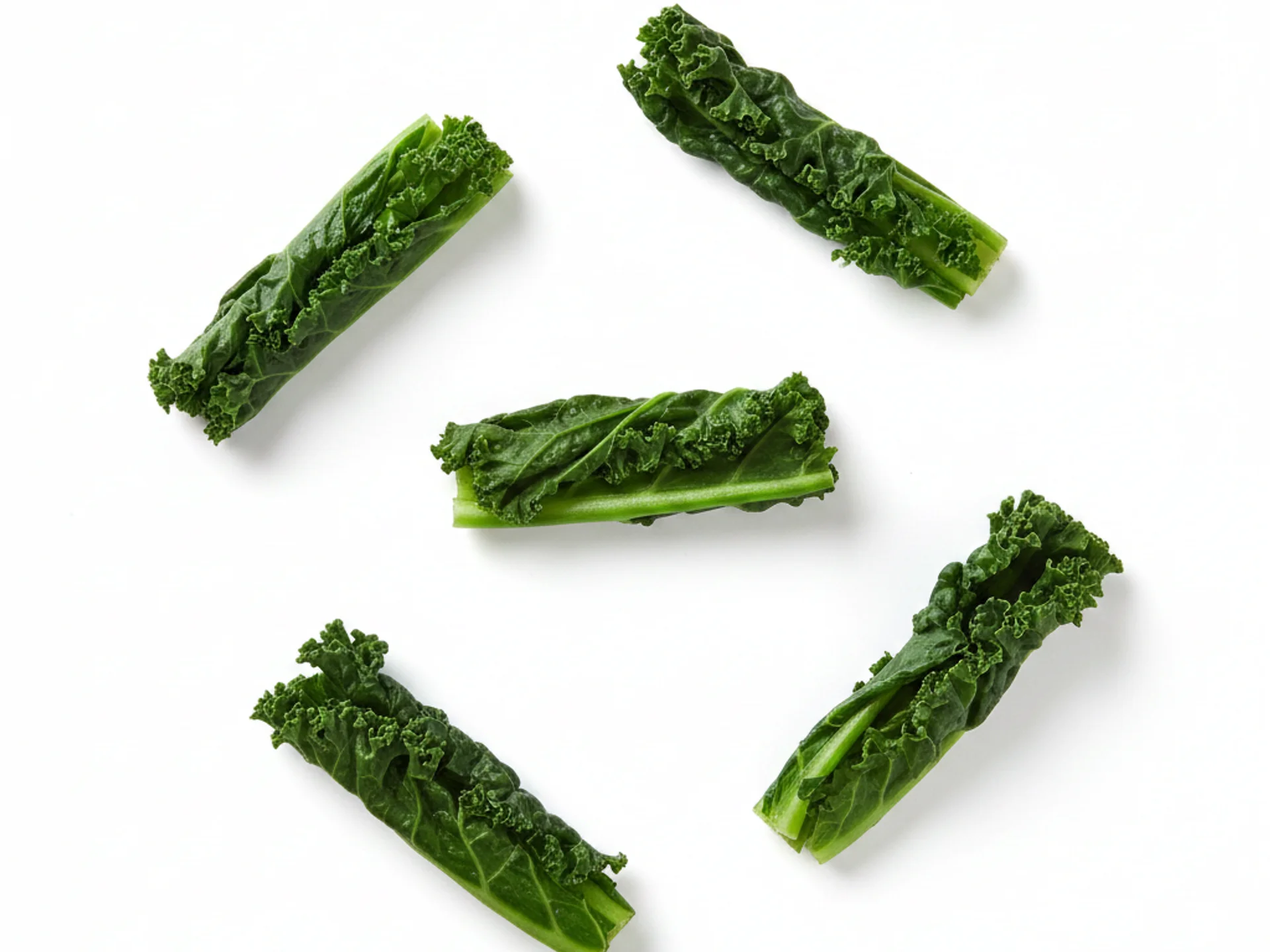
For babies 9-12 months, continue to cook kale until soft but offer it in slightly larger, finger-sized strips or small, bite-sized pieces that they can pick up easily. You can also incorporate kale into soft dishes like scrambled eggs, pasta, or rice for varied textures.
9 to 12 months

For babies 9-12 months, continue to cook kale until soft but offer it in slightly larger, finger-sized strips or small, bite-sized pieces that they can pick up easily. You can also incorporate kale into soft dishes like scrambled eggs, pasta, or rice for varied textures.

  • Encourage self-feeding by offering kale strips that are easy to grip.
  • Sauté kale with a little olive oil to enhance flavor and nutrient absorption.
  • Combine kale with cheese or yogurt in dishes to add creaminess.
  • Monitor your baby closely as they handle larger pieces to ensure safe chewing.
  • Experiment with kale in muffins or pancakes for a fun, nutritious snack.
For toddlers 12 months and up, you can offer kale in more diverse forms, such as in salads (if chopped finely), soups, or as a side dish. Continue to ensure it's cooked to a soft texture, but you can gradually introduce raw kale in small, finely chopped amounts if your child handles it well.
12 months +

For toddlers 12 months and up, you can offer kale in more diverse forms, such as in salads (if chopped finely), soups, or as a side dish. Continue to ensure it's cooked to a soft texture, but you can gradually introduce raw kale in small, finely chopped amounts if your child handles it well.

  • Incorporate kale into family meals like stir-fries or casseroles.
  • Use kale as a pizza topping or in wraps for added nutrition.
  • Teach your toddler to tear kale leaves as a fun, interactive activity.
  • Offer kale chips as a healthy, crunchy alternative to processed snacks.
  • Always supervise meals to prevent choking, even as skills improve.

Safety & allergens

Choking risk: Low

Kale has a low choking risk when prepared properly. For babies, always cook kale until very soft and chop it finely or puree it to avoid stringy fibers. Remove any tough stems before cooking, as they can be difficult to chew.

Not a common allergen

Kale is not a top allergen. As with any new food, offer it on its own and watch for any reaction.

Vitamins & minerals

Kale is a nutritional powerhouse for babies, providing vitamin A which supports healthy vision and immune system development[1]. Its vitamin C content helps with iron absorption from plant foods[2], while vitamin K plays a role in bone health and blood clotting[3]. Kale also contains iron for healthy blood cells[4] and calcium for strong bones[5].

Vitamins
Vitamin VITAMIN AVitamin VITAMIN CVitamin VITAMIN KVitamin VITAMIN B6Vitamin VITAMIN B9
Minerals
IronCalciumPotassiumManganese