FoodsSeedFlaxseed
Flaxseed

Seed

Flaxseed

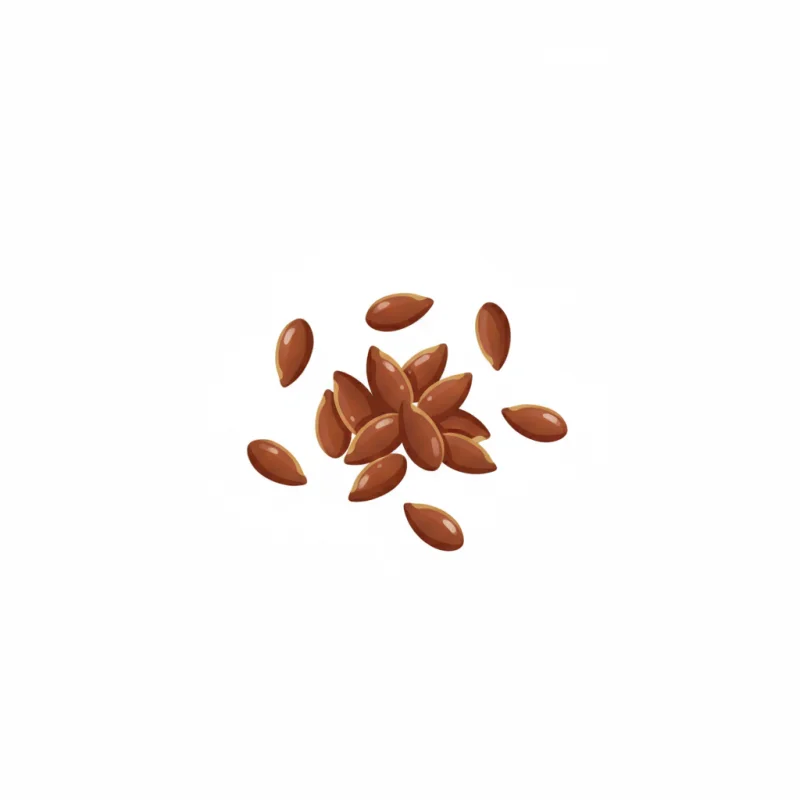
Flaxseed is a tiny nutritional powerhouse that can be a wonderful addition to your baby's diet. It has a mild, nutty flavor and provides important nutrients like fiber for healthy digestion[1] and omega-3 fatty acids for brain development[2]. Ground flaxseed mixes easily into other foods, making it a convenient way to boost nutrition.

6m+Not a common allergenChoking risk: High
First age6m+
CategorySeed
Common allergenNo
Choking riskHigh

When can babies eat Flaxseed?

You can introduce ground flaxseed around 6 months when starting solids, as long as it's finely ground to prevent choking. Whole flaxseeds should never be given to babies.

How to serve Flaxseed by age

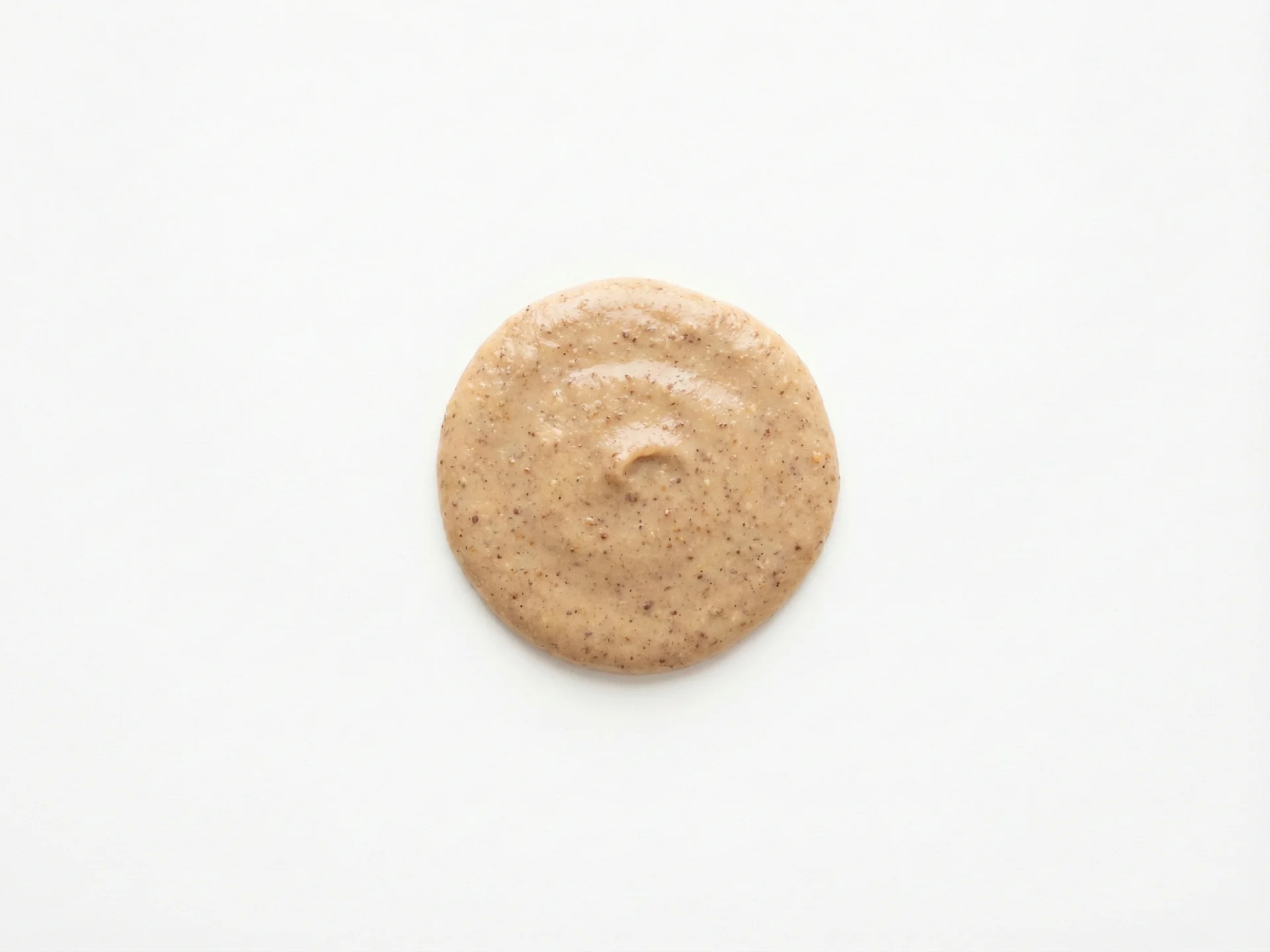
For babies 6-12 months, always use finely ground flaxseed meal. Mix a small amount (1/4 to 1/2 teaspoon) into soft foods like oatmeal, yogurt, mashed banana, or vegetable purees. The ground flaxseed should be thoroughly incorporated to create a smooth, lump-free texture that's easy for your baby to manage.
6 to 12 months

For babies 6-12 months, always use finely ground flaxseed meal. Mix a small amount (1/4 to 1/2 teaspoon) into soft foods like oatmeal, yogurt, mashed banana, or vegetable purees. The ground flaxseed should be thoroughly incorporated to create a smooth, lump-free texture that's easy for your baby to manage.

  • Grind whole flaxseeds in a clean coffee grinder or food processor until they form a fine powder
  • Mix ground flaxseed into warm cereals or porridge to help it blend smoothly
  • Start with very small amounts to allow your baby's digestive system to adjust
  • Add ground flaxseed to fruit or vegetable purees for a nutritional boost
  • Ensure the final texture is appropriate for your baby's chewing abilities
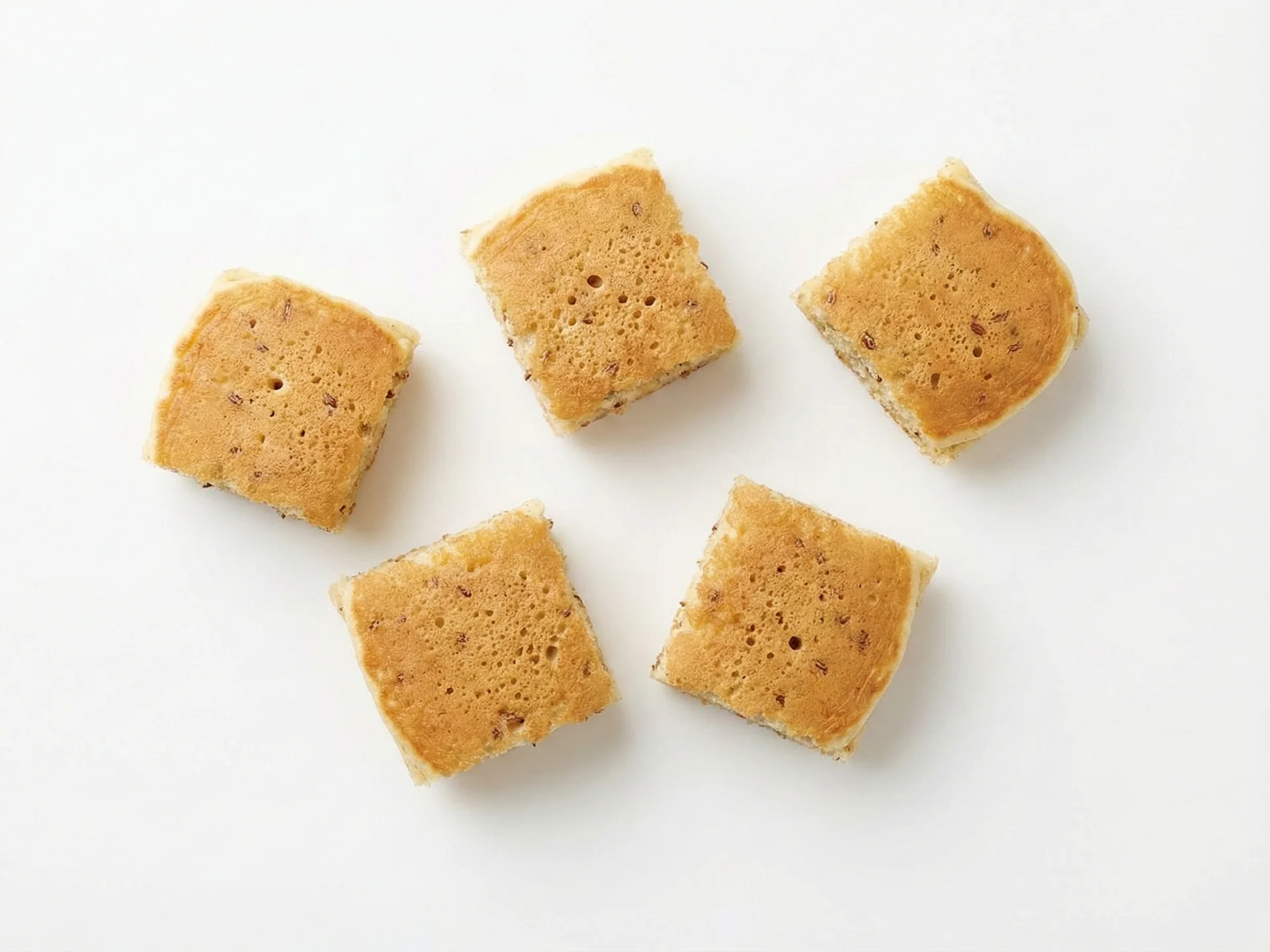
For toddlers 12 months and older, you can continue using ground flaxseed in similar ways but may increase the amount to about 1 teaspoon daily. Ground flaxseed can now be incorporated into more textured foods like pancake batter, muffin mixes, or sprinkled over yogurt with fruit. The fine powder should still be used rather than whole seeds.
12 months +

For toddlers 12 months and older, you can continue using ground flaxseed in similar ways but may increase the amount to about 1 teaspoon daily. Ground flaxseed can now be incorporated into more textured foods like pancake batter, muffin mixes, or sprinkled over yogurt with fruit. The fine powder should still be used rather than whole seeds.

  • Add ground flaxseed to homemade pancake or waffle batter for a nutritious breakfast
  • Mix into smoothies along with fruits and yogurt
  • Sprinkle a small amount over oatmeal or yogurt
  • Use as an egg substitute in baking by mixing 1 tablespoon ground flaxseed with 3 tablespoons water
  • Store ground flaxseed in the freezer to maintain freshness

Safety & allergens

Choking risk: High

Whole flaxseeds are a serious choking hazard for babies and should never be served. Always use finely ground flaxseed meal and mix it into other foods like yogurt, oatmeal, or purees. The ground texture should be smooth with no visible seeds.

Not a common allergen

Flaxseed is not a top allergen. As with any new food, offer it on its own and watch for any reaction.

Vitamins & minerals

Flaxseed is rich in fiber, which helps support regular bowel movements and prevent constipation in babies[1]. It also contains alpha-linolenic acid (ALA), an omega-3 fatty acid that supports brain and eye development[2]. The magnesium in flaxseed contributes to bone health and energy production[3], while the iron helps prevent anemia by supporting healthy red blood cells[4].

Vitamins
Vitamin VITAMIN B1Vitamin VITAMIN B6Vitamin VITAMIN B9
Minerals
MagnesiumManganesePhosphorusCopperIron