FoodsProteinFish
Fish

Protein

Fish

Fish is a fantastic first protein for babies, offering a soft, flaky texture that's easy to mash. It's packed with nutrients that support your baby's brain development and immune system.[1] The healthy fats in fish, like DHA, are especially important for growing brains and eyes.[2]

6m+Common allergenChoking risk: Low
First age6m+
CategoryProtein
Common allergenYes
Choking riskLow

When can babies eat Fish?

Fish can be introduced around 6 months of age, once your baby is showing readiness for solids. It's a great early protein to offer alongside fruits and vegetables.

How to serve Fish by age

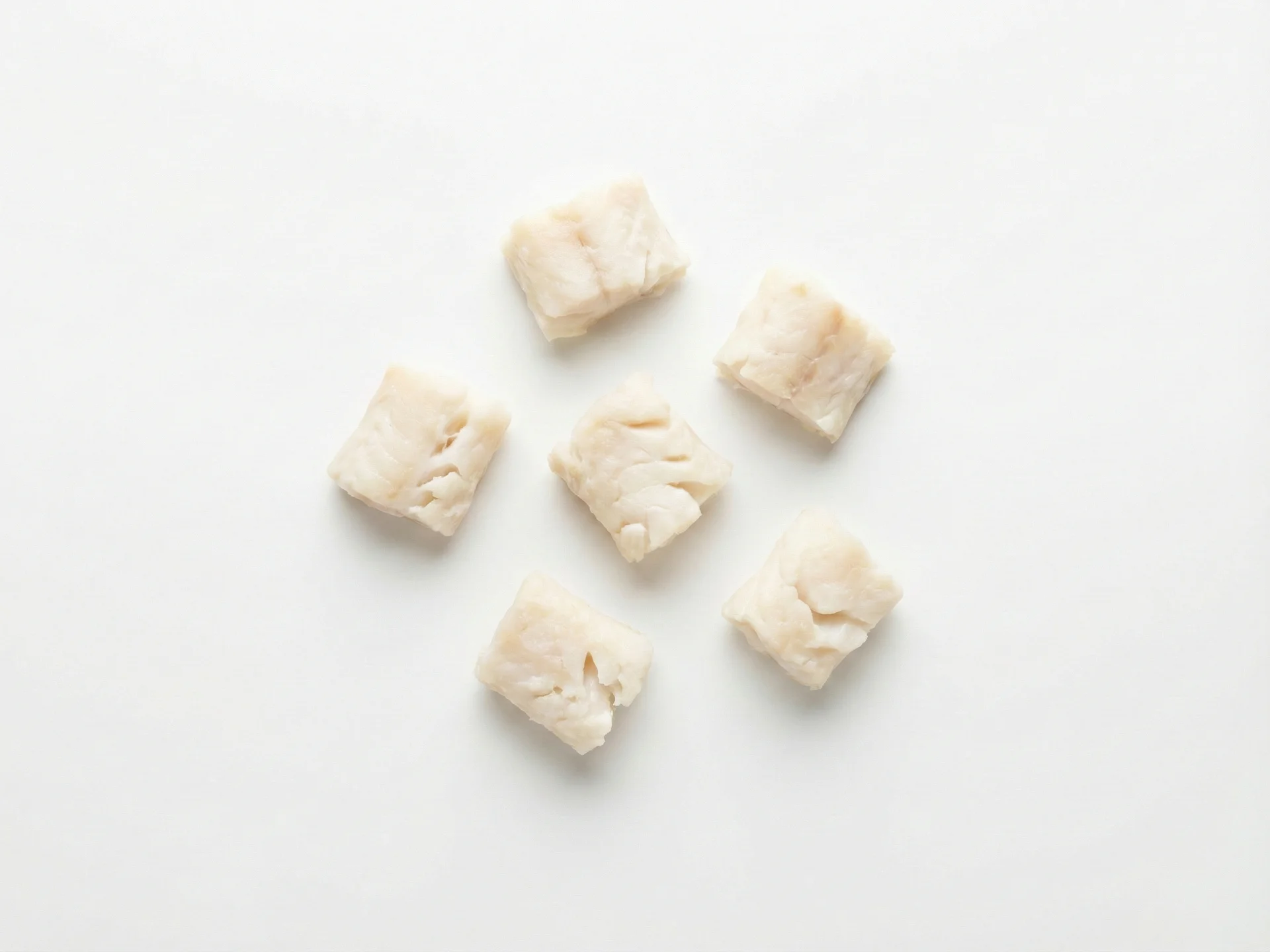
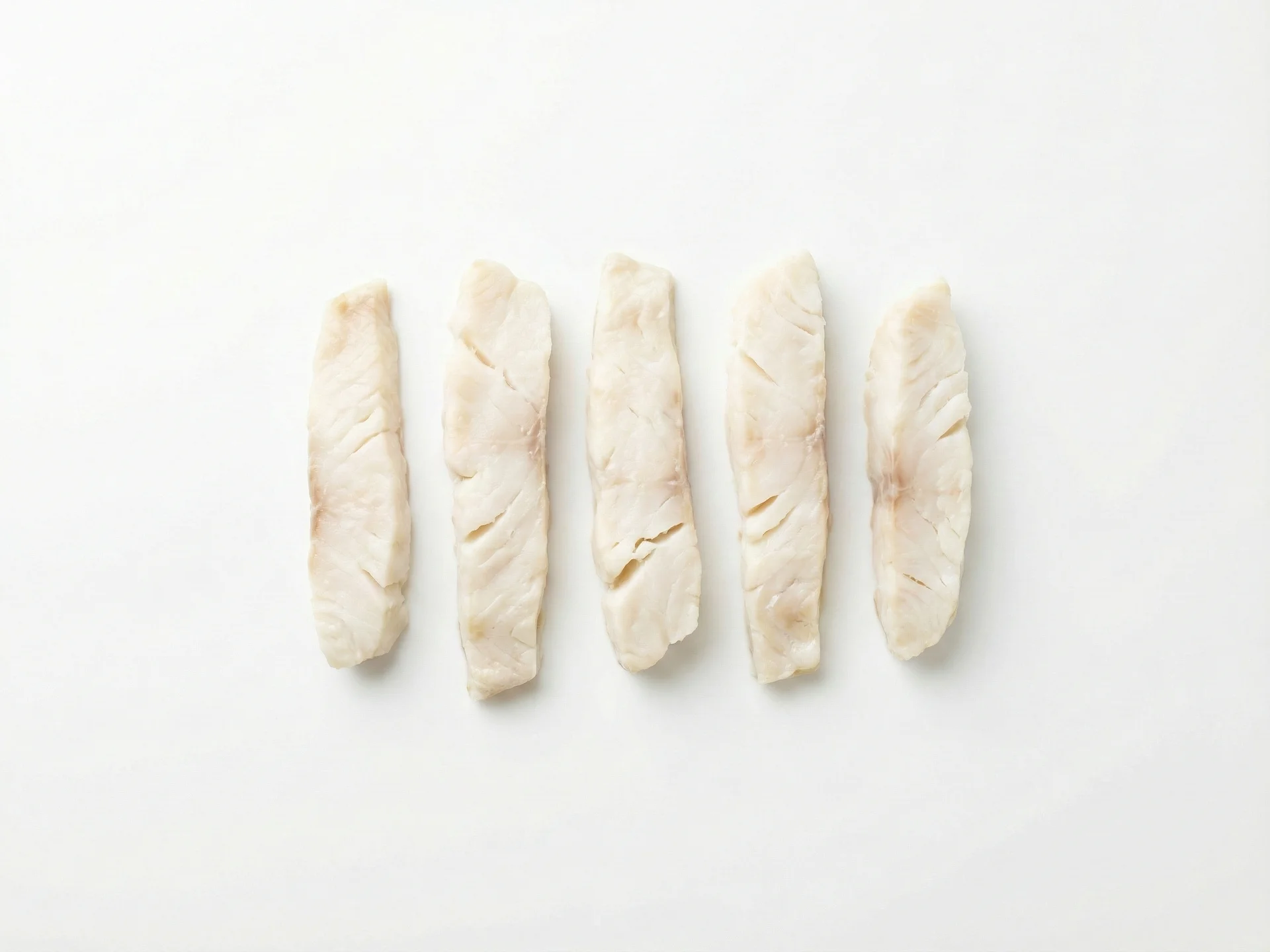
For babies 6-9 months, cook fish until fully done and flaky, then cut into large, palm-sized strips or sticks that are easy to grip. Steaming, baking, or poaching are great methods to keep it moist and tender without added fats or salt.
6 to 9 months

For babies 6-9 months, cook fish until fully done and flaky, then cut into large, palm-sized strips or sticks that are easy to grip. Steaming, baking, or poaching are great methods to keep it moist and tender without added fats or salt.

  • Remove all bones and skin before serving.
  • Offer one type of fish at a time to monitor for allergies.
  • Let the fish cool to a safe temperature to prevent burns.
  • Serve on a highchair tray to encourage self-feeding.
  • Mash lightly if needed to soften for gumming.
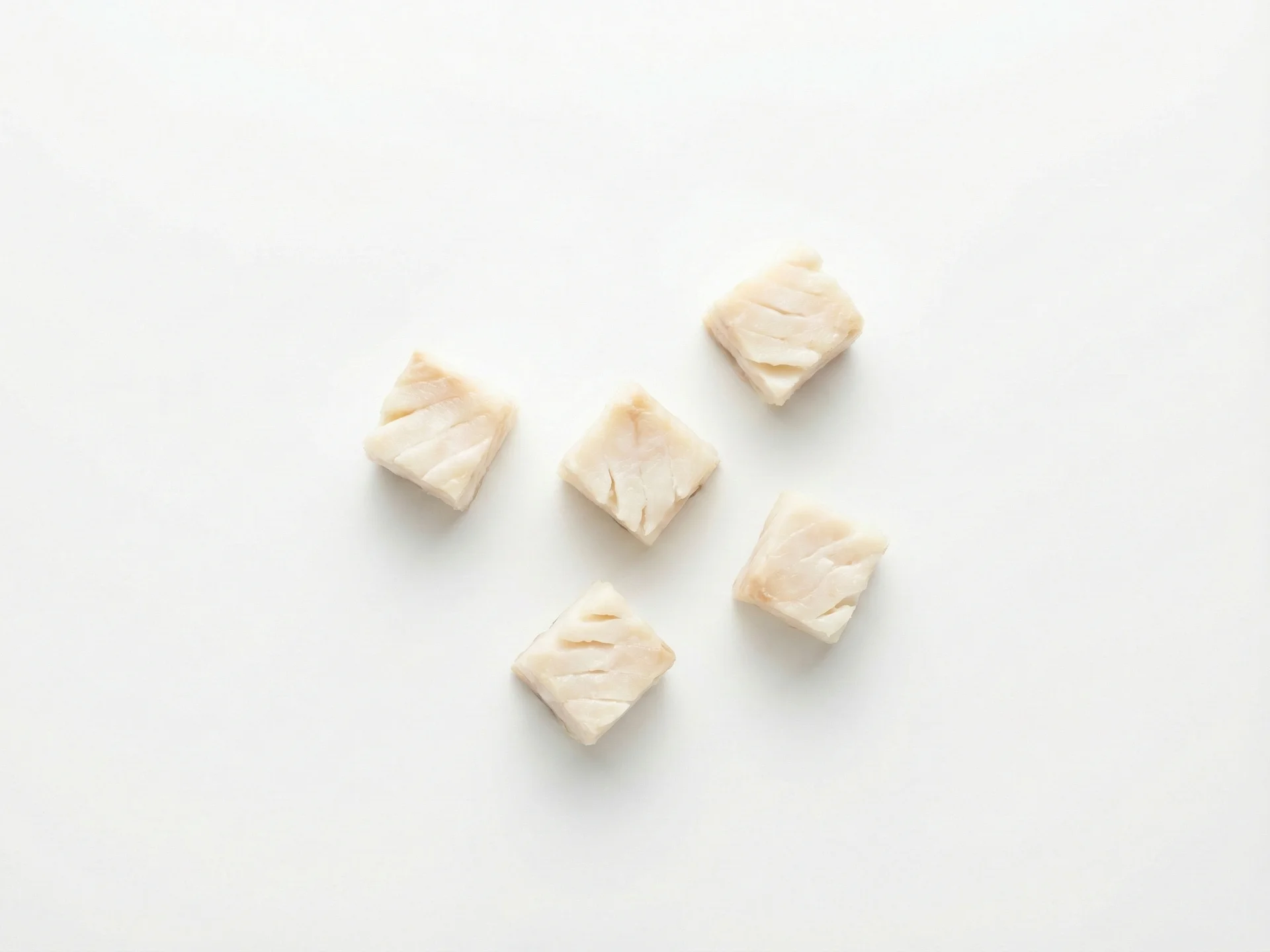
For babies 9-12 months, you can offer smaller, bite-sized pieces of cooked fish as they develop better pincer grasp and chewing skills. Incorporate fish into mixed dishes like fish patties or casseroles to add variety and texture.
9 to 12 months

For babies 9-12 months, you can offer smaller, bite-sized pieces of cooked fish as they develop better pincer grasp and chewing skills. Incorporate fish into mixed dishes like fish patties or casseroles to add variety and texture.

  • Mix flaked fish with mashed vegetables for a balanced meal.
  • Avoid adding salt or strong spices; use herbs like dill for flavor.
  • Supervise closely as smaller pieces can pose a choking risk.
  • Introduce different fish varieties to expand taste preferences.
  • Store leftovers in airtight containers for quick meals.
For toddlers 12 months and up, serve fish in more diverse forms, such as in tacos, sandwiches, or as part of family meals. Encourage self-feeding with utensils and offer a variety of preparations to maintain interest.
12 months +

For toddlers 12 months and up, serve fish in more diverse forms, such as in tacos, sandwiches, or as part of family meals. Encourage self-feeding with utensils and offer a variety of preparations to maintain interest.

  • Include fish in weekly meals for consistent nutrient intake.
  • Teach your child to check for bones as they eat.
  • Pair with whole grains and veggies for a complete diet.
  • Experiment with baking or grilling for different textures.
  • Monitor portion sizes to avoid overconsumption of mercury.

Safety & allergens

Choking risk: Low

Fish is naturally soft and flakes easily, making it a low choking risk when prepared properly. For babies, always ensure it's fully cooked, boneless, and flaked into very small, manageable pieces. Avoid large chunks or pieces with hidden bones.

Common allergen

Fish allergy affects about 0.2% to 0.5% of children, making it less common than some other food allergies but still important to monitor.[3]

Vitamins & minerals

Fish is a nutritional powerhouse for babies. The iron and zinc support healthy growth and immune function, while selenium acts as an important antioxidant.[6] Iodine is crucial for thyroid health and brain development.[7] The B vitamins, especially B12, are essential for energy and nervous system health.[8]

Vitamins
Vitamin VITAMIN DVitamin VITAMIN B12Vitamin VITAMIN B3Vitamin VITAMIN B6
Minerals
IronZincSeleniumIodinePotassium