FoodsFruitFig
Fig

Fruit

Fig

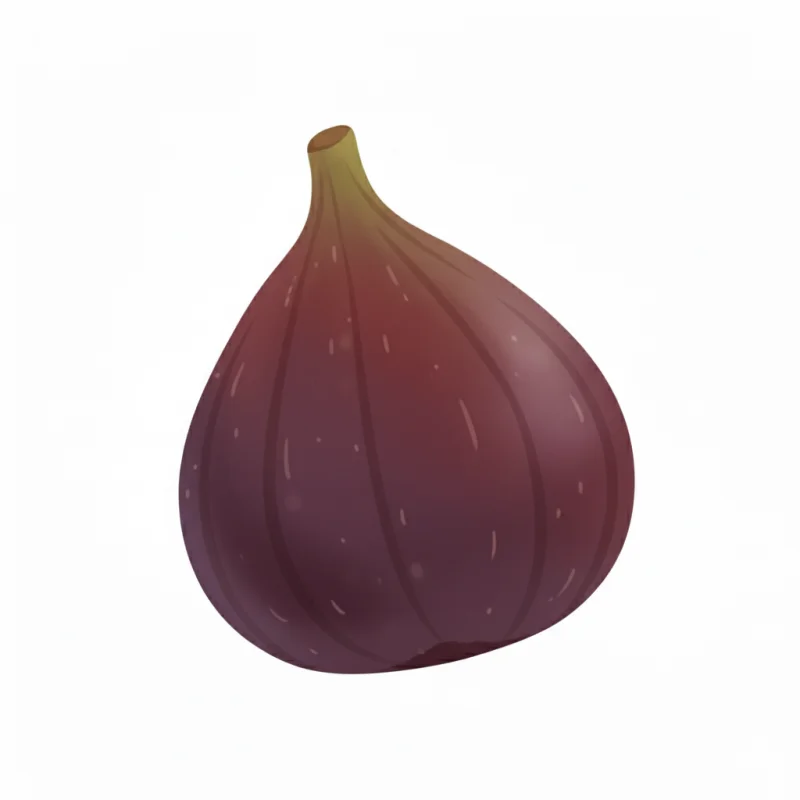
Figs are a naturally sweet, soft fruit that babies often love for their gentle flavor and smooth texture when cooked. They're packed with fiber to support healthy digestion and contain important minerals like potassium and calcium that are essential for your baby's growth.[2][3]

6m+Not a common allergenChoking risk: Low
First age6m+
CategoryFruit
Common allergenNo
Choking riskLow

When can babies eat Fig?

You can introduce figs around 6 months when starting solids, as they're easy to puree and mash. They make a great first fruit due to their mild sweetness and soft consistency.

How to serve Fig by age

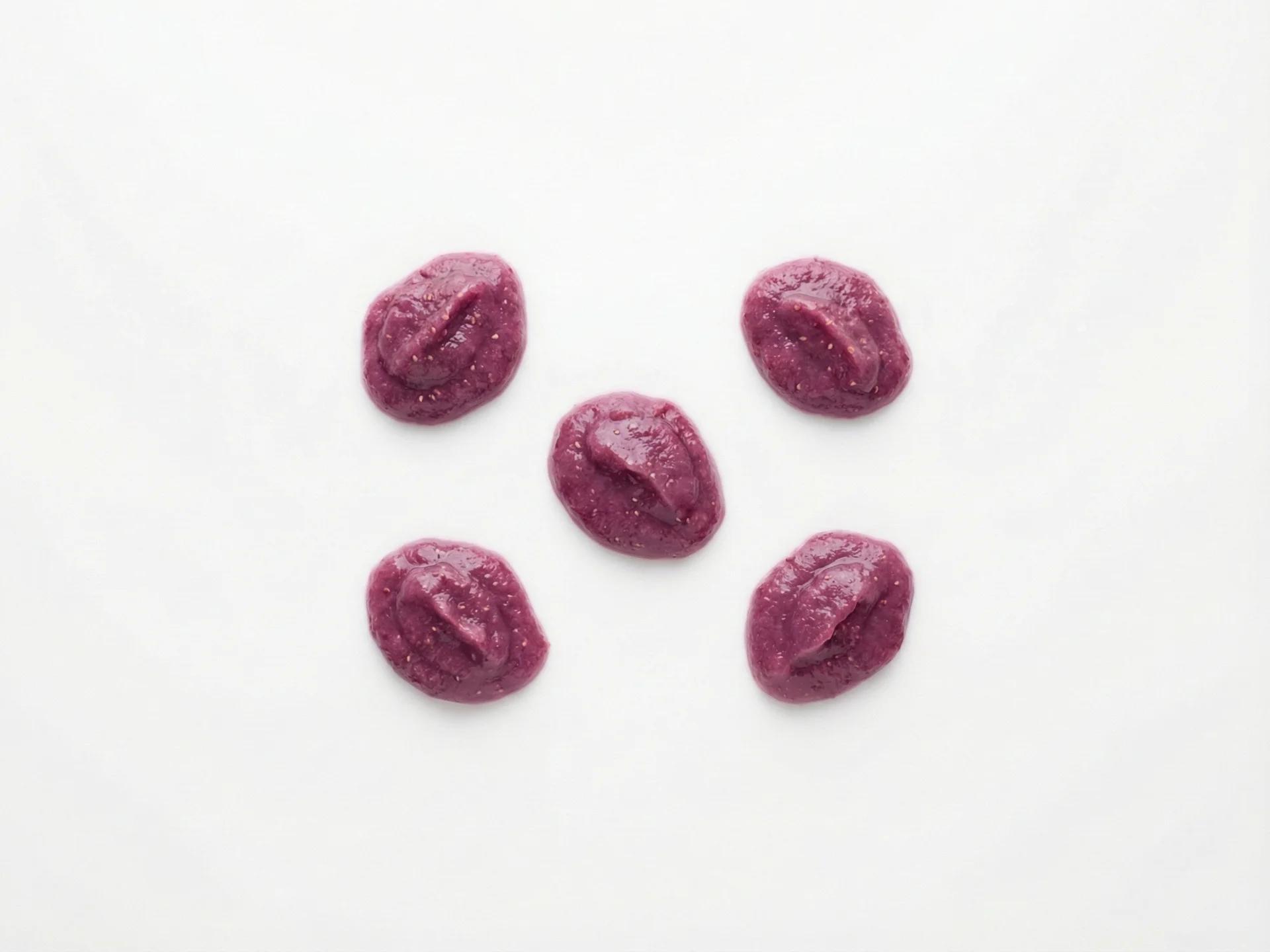
For babies 6-9 months, peel fresh figs to remove the slightly tough skin, then mash or flatten them into a soft, spreadable consistency. Serve in dollops on your baby's tray or spread on toast strips to encourage self-feeding. Ensure pieces are no larger than your baby's fist to prevent choking.
6 to 9 months

For babies 6-9 months, peel fresh figs to remove the slightly tough skin, then mash or flatten them into a soft, spreadable consistency. Serve in dollops on your baby's tray or spread on toast strips to encourage self-feeding. Ensure pieces are no larger than your baby's fist to prevent choking.

  • Choose ripe figs that are soft to the touch for easier mashing.
  • Remove the stem completely to avoid any hard parts.
  • Supervise closely as babies explore the sticky texture.
  • Start with small amounts to monitor for digestive tolerance.
  • Mix mashed figs with breast milk or formula if a thinner consistency is needed.
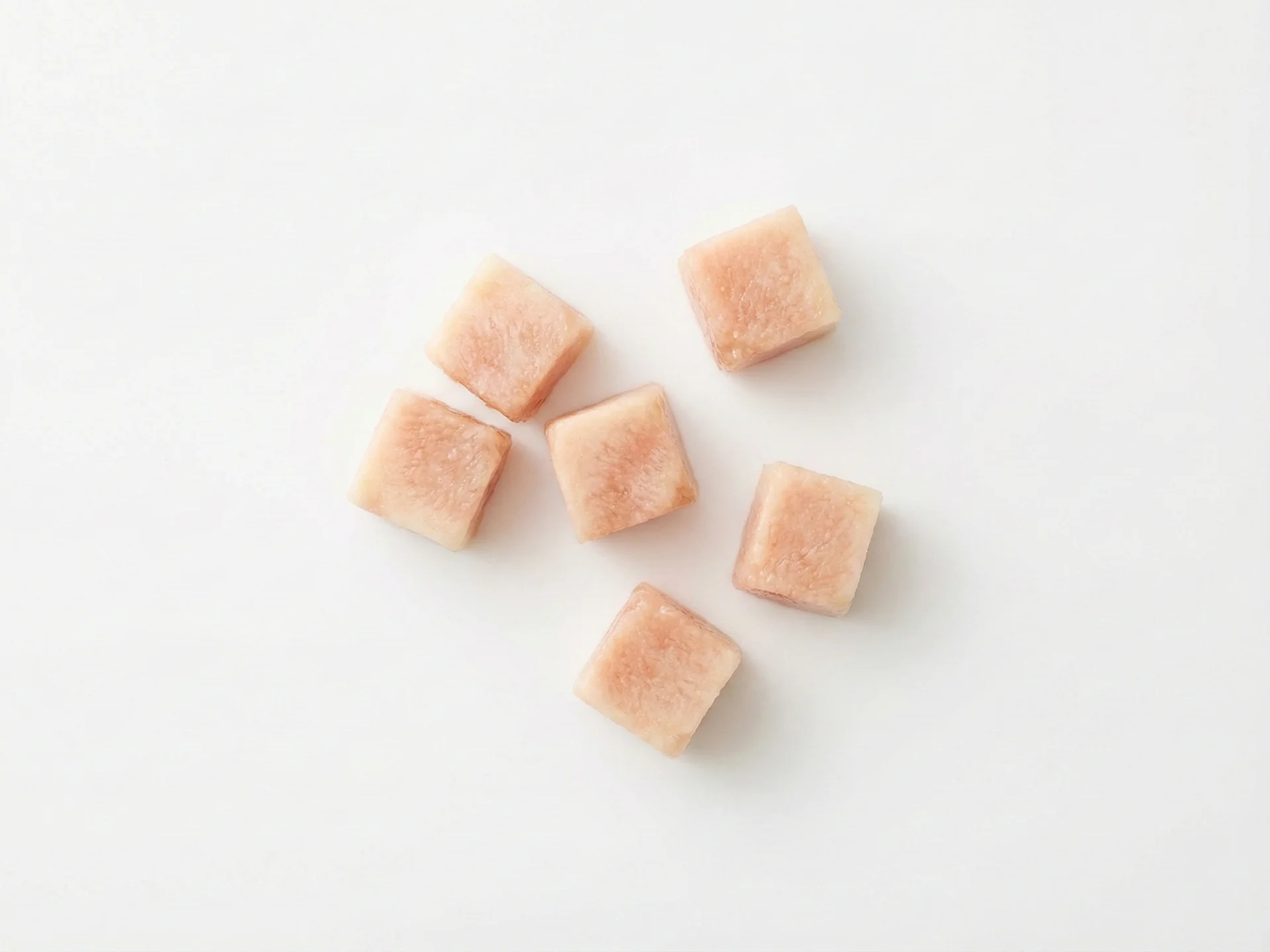
For babies 9 months and up, you can offer small, bite-sized pieces of peeled fig that they can pick up with their developing pincer grasp. Dried figs can be introduced if soaked and chopped finely. Encourage chewing by modeling how to eat them, and continue to avoid large chunks.
9 months +

For babies 9 months and up, you can offer small, bite-sized pieces of peeled fig that they can pick up with their developing pincer grasp. Dried figs can be introduced if soaked and chopped finely. Encourage chewing by modeling how to eat them, and continue to avoid large chunks.

  • Introduce dried figs gradually by soaking them to soften.
  • Cut fresh figs into pea-sized pieces to practice pincer grasp.
  • Combine fig pieces with other soft foods like cheese or avocado.
  • Use figs in homemade muffins or pancakes for variety.
  • Monitor for any signs of overeating, as figs are high in fiber.

Safety & allergens

Choking risk: Low

Figs are naturally soft when ripe, making them a low choking risk when prepared appropriately. For babies under 9 months, always cook and puree or mash figs thoroughly to eliminate any small seeds or skin that could pose a risk. For older babies, you can offer small, soft pieces.

Not a common allergen

Fig is not a top allergen. As with any new food, offer it on its own and watch for any reaction.

Vitamins & minerals

Figs provide potassium which supports healthy heart function and muscle development in babies.[2] They also contain calcium and magnesium that contribute to strong bone development.[4][5] With 1.79g of fiber per 100g, figs can help maintain regular digestion.

Vitamins
Vitamin VITAMIN AVitamin VITAMIN KVitamin VITAMIN B6
Minerals
CalciumPotassiumMagnesiumIron