FoodsVegetableCucumber
Cucumber

Vegetable

Cucumber

Cucumber is a refreshing, hydrating vegetable that's perfect for introducing babies to solids. Its mild flavor and high water content make it gentle on little tummies, while providing important nutrients like Vitamin K for healthy bones[1] and Vitamin C to support their developing immune system[2]. The crisp texture also helps babies explore different mouthfeels.

6m+Not a common allergenChoking risk: Medium
First age6m+
CategoryVegetable
Common allergenNo
Choking riskMedium

When can babies eat Cucumber?

Cucumber can be introduced around 6 months when your baby starts solids, as it's easy to digest and has a low allergy risk. It's a great first vegetable to offer alongside other starter foods.

How to serve Cucumber by age

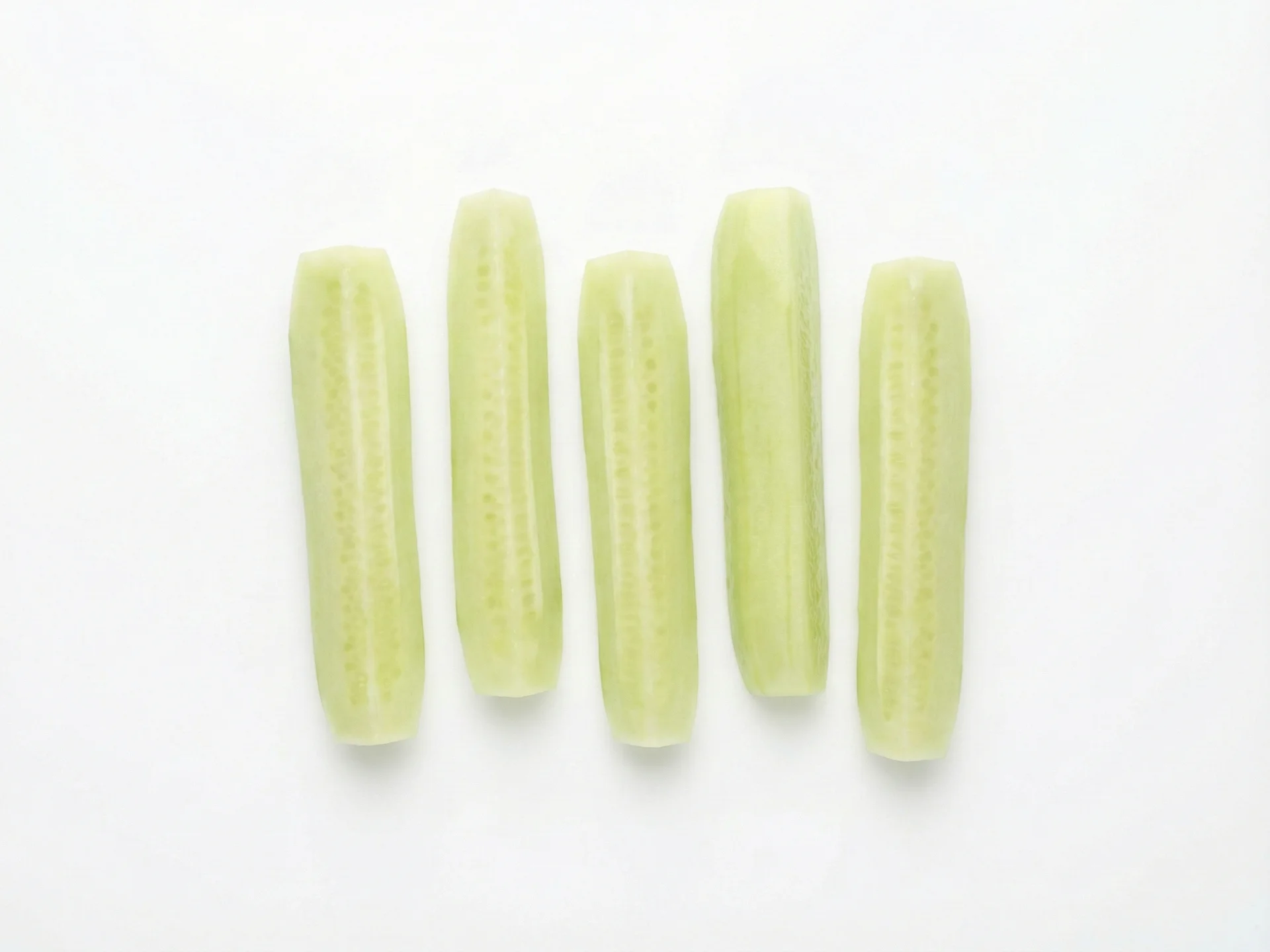
Peel cucumber completely and cut into long, thick spears (about the length of an adult finger and width of 2 adult fingers). Remove seeds if desired. The spears should be soft enough to squish between your fingers but firm enough for baby to grip. You can lightly steam or blanch to soften slightly if baby is just starting solids.
6 to 9 months

Peel cucumber completely and cut into long, thick spears (about the length of an adult finger and width of 2 adult fingers). Remove seeds if desired. The spears should be soft enough to squish between your fingers but firm enough for baby to grip. You can lightly steam or blanch to soften slightly if baby is just starting solids.

  • Always peel thoroughly to remove tough skin
  • Cut into spears, not rounds, to prevent choking
  • Test texture by squishing between your fingers - it should yield easily
  • Consider removing seeds for first few introductions
  • Supervise closely as baby learns to manage the slippery texture
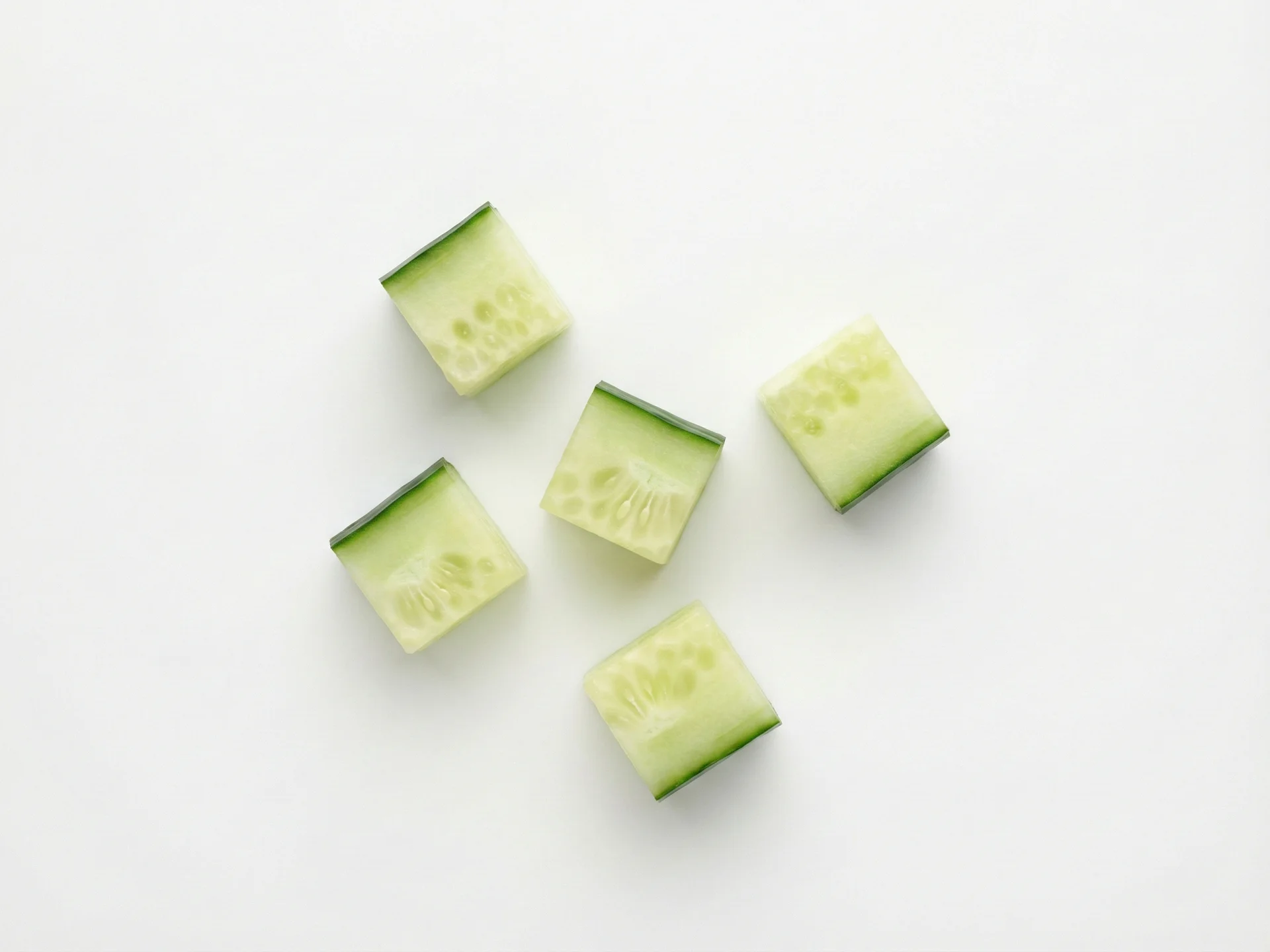
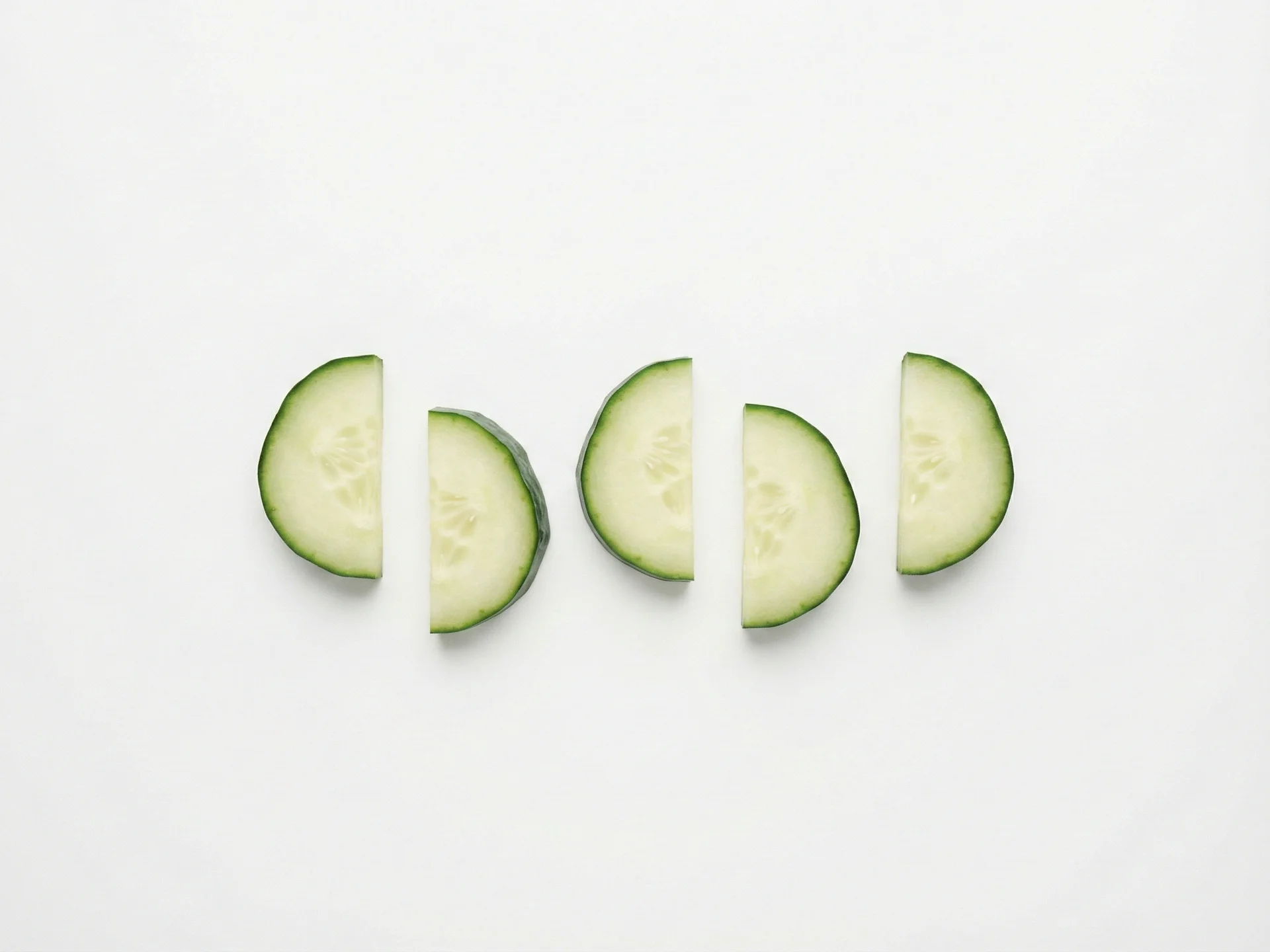
Peel cucumber and cut into smaller, bite-sized pieces (about 1/2 inch cubes) or thin half-moons. You can leave some skin on in thin strips for texture variety if baby is handling food well. Seeds can be included if baby is chewing effectively.
9 to 12 months

Peel cucumber and cut into smaller, bite-sized pieces (about 1/2 inch cubes) or thin half-moons. You can leave some skin on in thin strips for texture variety if baby is handling food well. Seeds can be included if baby is chewing effectively.

  • Cut into manageable bite-sized pieces
  • Introduce thin strips of skin for texture exposure
  • Include seeds if baby is chewing well
  • Mix with other foods to practice pincer grasp
  • Offer both raw and lightly cooked variations
Offer cucumber with skin on (washed thoroughly) in various shapes and sizes based on your toddler's chewing ability. Include in salads, sandwiches, or as dippers for hummus or yogurt. You can also introduce pickled cucumbers in moderation.
12 months +

Offer cucumber with skin on (washed thoroughly) in various shapes and sizes based on your toddler's chewing ability. Include in salads, sandwiches, or as dippers for hummus or yogurt. You can also introduce pickled cucumbers in moderation.

  • Wash skin thoroughly if leaving on
  • Cut into fun shapes to encourage eating
  • Use as dippers for healthy dips
  • Introduce pickled varieties in small amounts
  • Include in mixed dishes for flavor and crunch

Safety & allergens

Choking risk: Medium

Cucumber's firm texture and smooth skin can pose a choking risk if not prepared properly. Always peel the skin (which is tough for babies to chew) and cut into appropriate sizes for your baby's age. For younger babies, grate or puree cucumber to eliminate choking hazards completely.

Not a common allergen

Cucumber is not a top allergen. As with any new food, offer it on its own and watch for any reaction.

Vitamins & minerals

Cucumber is about 95% water, making it wonderfully hydrating for babies, especially in warm weather. It contains Vitamin K which helps with blood clotting and bone health[1], and Vitamin C that supports immune function and helps absorb iron from other foods[2]. The potassium in cucumber contributes to healthy heart function and muscle development[3].

Vitamins
Vitamin VITAMIN KVitamin VITAMIN CVitamin VITAMIN A
Minerals
PotassiumMagnesiumManganese