
FoodsDairyCream Cheese
Cream Cheese

Dairy

Cream Cheese

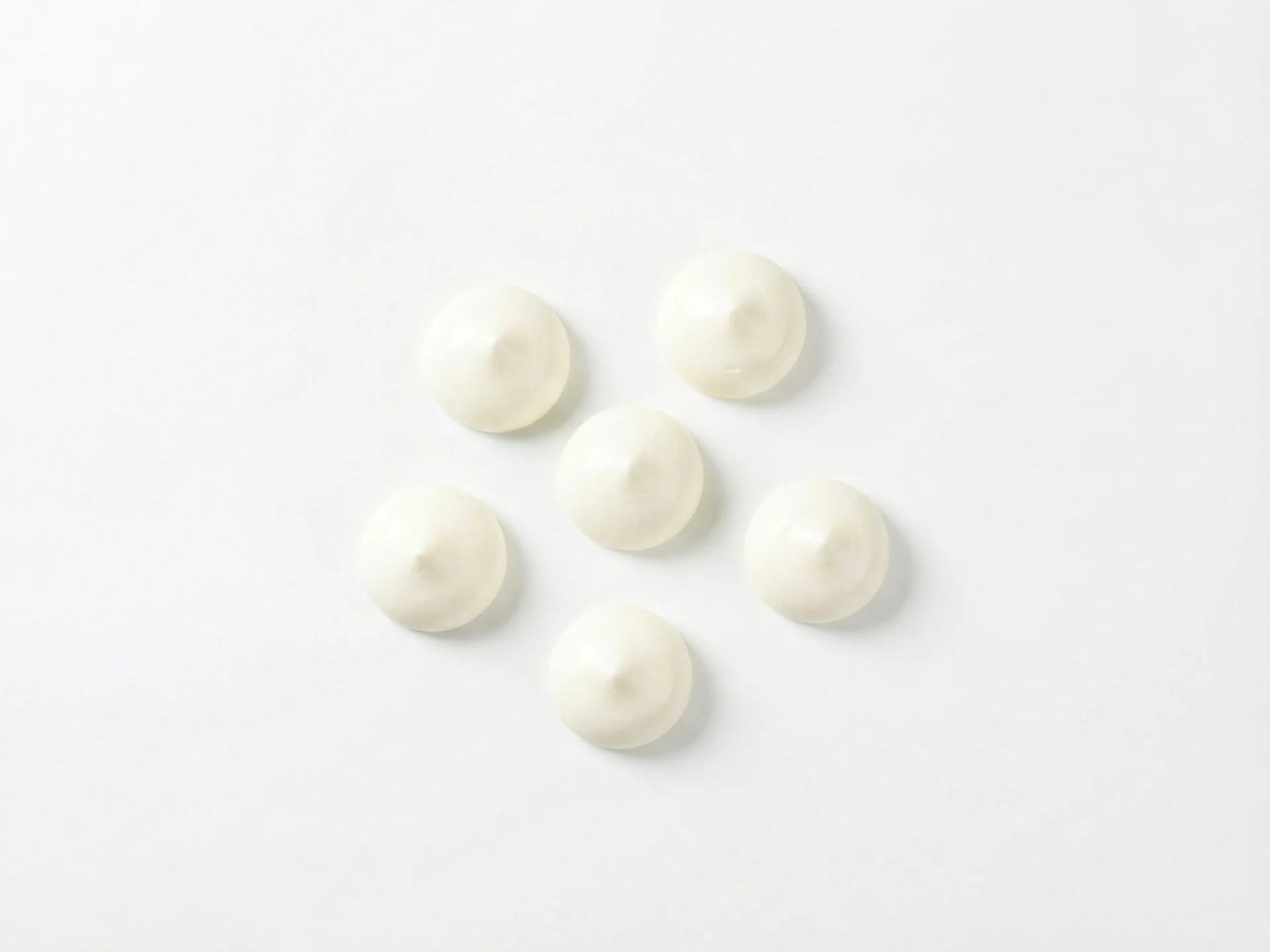
Cream cheese is a soft, spreadable dairy product that can be a tasty introduction to new textures for your baby. It provides important nutrients like calcium for strong bones and vitamin A for healthy vision and immune function.[2][3] Its mild flavor and creamy texture make it easy to mix with other foods your baby already enjoys.

6m+Common allergenChoking risk: Low
First age6m+
CategoryDairy
Common allergenYes
Choking riskLow

When can babies eat Cream Cheese?

You can introduce cream cheese around 6 months when starting solids, but it's best to offer it after your baby has tried a few other single-ingredient foods first. Always introduce it separately to watch for any allergic reactions.

How to serve Cream Cheese by age

For babies 8-12 months, spread a thin layer of cream cheese on lightly toasted bread strips or soft crackers. You can also mix it into mashed vegetables like sweet potato or avocado to add creaminess. Ensure pieces are large enough for your baby to grasp (about the size of two adult fingers).
8 to 12 months

For babies 8-12 months, spread a thin layer of cream cheese on lightly toasted bread strips or soft crackers. You can also mix it into mashed vegetables like sweet potato or avocado to add creaminess. Ensure pieces are large enough for your baby to grasp (about the size of two adult fingers).

  • Use full-fat cream cheese for essential calories
  • Avoid added sugars or flavors
  • Spread thinly to prevent sticking
  • Combine with soft fruits like banana for variety
  • Supervise closely during feeding
For toddlers 12 months and up, cream cheese can be used more creatively. Spread it on whole-grain toast, mix into oatmeal, or use as a dip for soft vegetable sticks. You can also incorporate it into simple recipes like mini sandwiches or stuffed celery.
12 months +

For toddlers 12 months and up, cream cheese can be used more creatively. Spread it on whole-grain toast, mix into oatmeal, or use as a dip for soft vegetable sticks. You can also incorporate it into simple recipes like mini sandwiches or stuffed celery.

  • Introduce as a spread on crackers or bagels
  • Mix with herbs for added flavor
  • Use in moderation due to sodium content
  • Pair with fiber-rich foods like apples
  • Encourage self-feeding with spoons

Safety & allergens

Choking risk: Low

Cream cheese is soft and spreads easily, making it a low choking risk when served appropriately. For younger babies, spread it thinly on toast or mix it into purees to avoid large globs. Always supervise your baby during meals.

Common allergen

Cow's milk allergy affects about 2-3% of infants and young children.[2]

Vitamins & minerals

Cream cheese provides calcium and phosphorus, which work together to build strong bones and teeth in growing babies.[4] It also contains vitamin A, which supports healthy vision and immune function.[2][3] The sodium content is relatively high, so it's best served in moderation.

Vitamins
Vitamin VITAMIN AVitamin VITAMIN B2Vitamin VITAMIN B12
Minerals
CalciumPhosphorusSodium