FoodsDairyCheese
Cheese

Dairy

Cheese

Cheese is a wonderful first dairy food for babies, offering a creamy texture and savory flavor that many little ones enjoy. It's packed with nutrients that support your baby's rapid growth, particularly calcium and phosphorus for strong bones and teeth.[2][3] The protein and healthy fats in cheese also provide sustained energy for your active baby.

6m+Common allergenChoking risk: Medium
First age6m+
CategoryDairy
Common allergenYes
Choking riskMedium

When can babies eat Cheese?

You can introduce cheese around 6 months when starting solids, as long as your baby is showing readiness signs like sitting with support and showing interest in food. Start with small amounts to check for tolerance.

How to serve Cheese by age

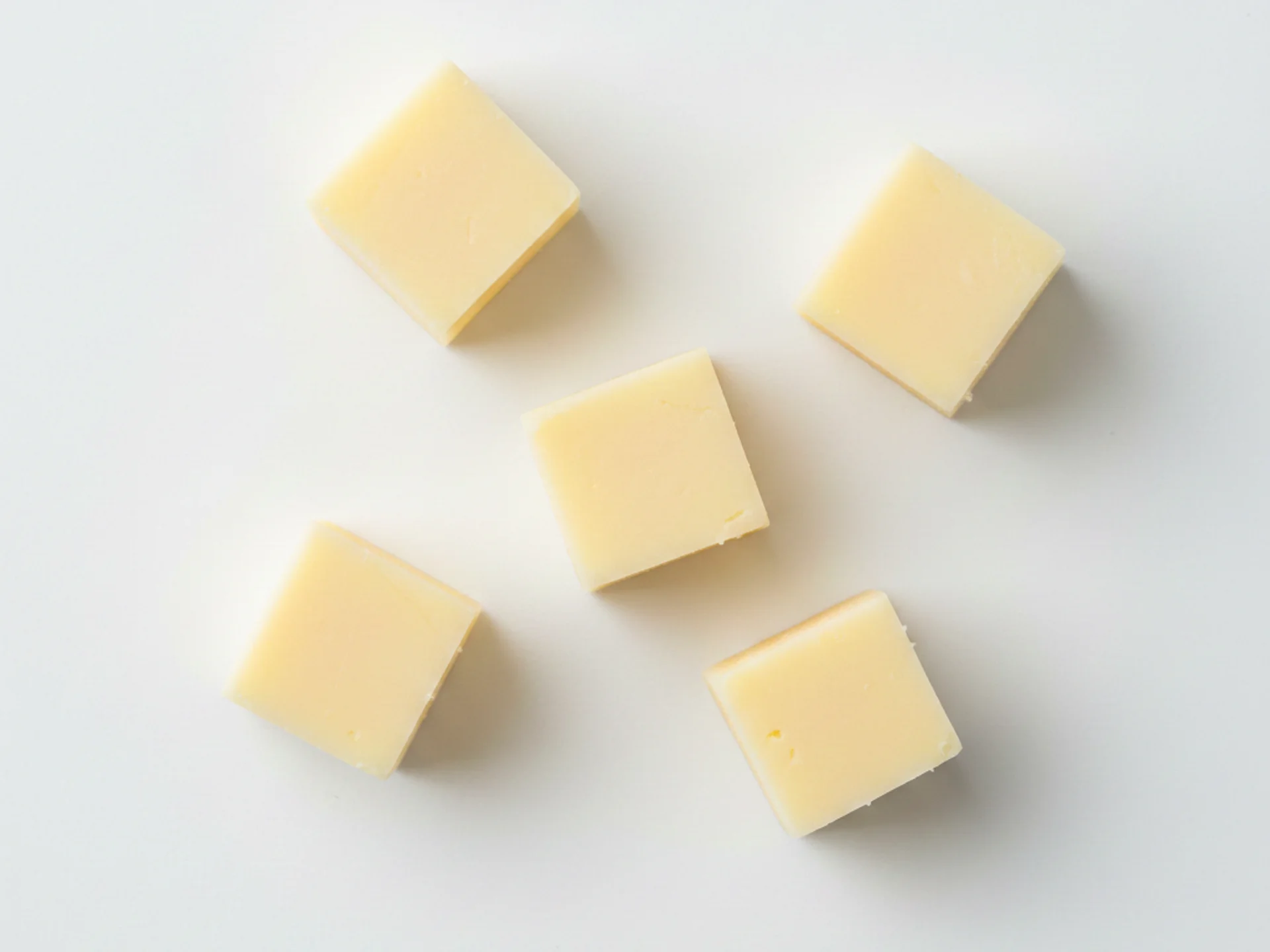
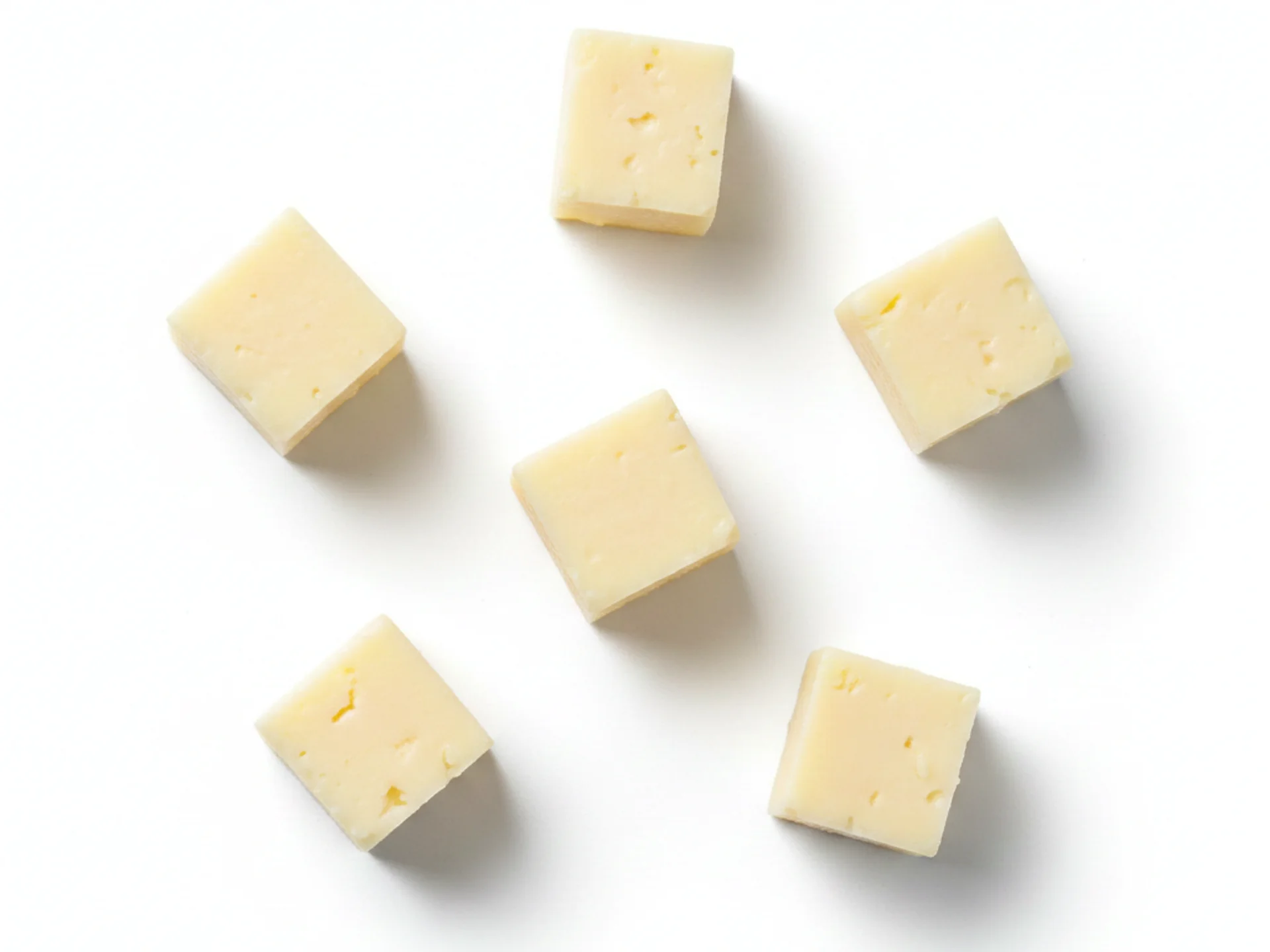
For babies 6-9 months, offer cheese in thin, finger-sized strips or small, soft cubes that are easy to grasp and gum. Choose soft, meltable cheeses like mozzarella or mild cheddar, and ensure pieces are no larger than your baby's fist to reduce choking risk. Serve at room temperature to make it even softer.
6 to 9 months

For babies 6-9 months, offer cheese in thin, finger-sized strips or small, soft cubes that are easy to grasp and gum. Choose soft, meltable cheeses like mozzarella or mild cheddar, and ensure pieces are no larger than your baby's fist to reduce choking risk. Serve at room temperature to make it even softer.

  • Cut cheese into strips about the size of an adult pinky finger for easy holding.
  • Avoid hard or crumbly cheeses that can break into dangerous chunks.
  • Offer small amounts initially to monitor for allergies.
  • Pair with soft foods like avocado or banana for variety.
  • Supervise closely as babies explore the texture.
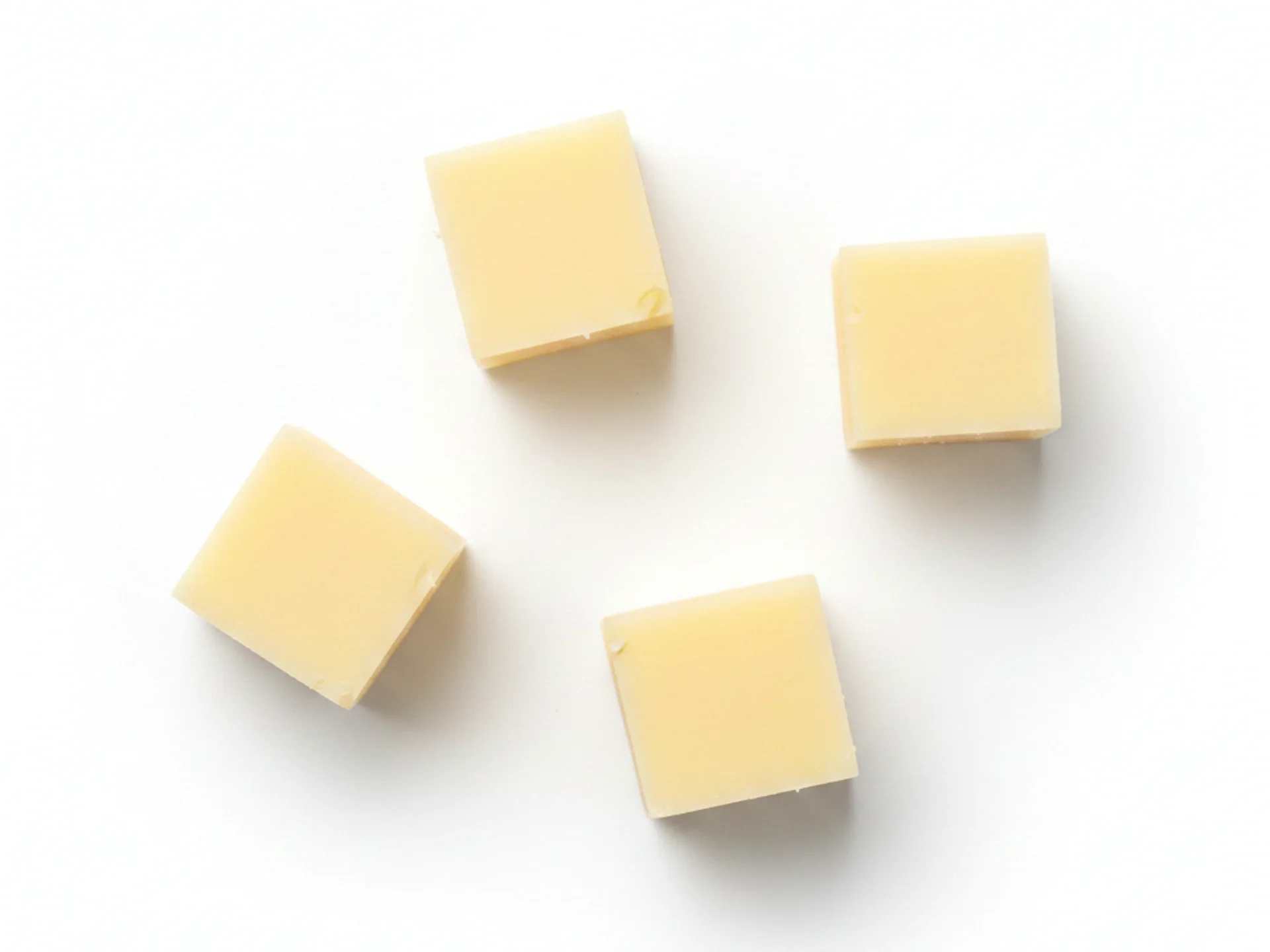
For babies 9-12 months, you can introduce shredded cheese or slightly firmer varieties as their chewing skills improve. Cheese can be melted into dishes like omelets or pasta, or served in small cubes. Continue to avoid high-sodium options and focus on pasteurized, nutrient-rich cheeses.
9 to 12 months

For babies 9-12 months, you can introduce shredded cheese or slightly firmer varieties as their chewing skills improve. Cheese can be melted into dishes like omelets or pasta, or served in small cubes. Continue to avoid high-sodium options and focus on pasteurized, nutrient-rich cheeses.

  • Shred cheese over steamed vegetables or soft fruits for added flavor.
  • Try melting cheese into whole-grain toast or muffins for a soft, grabable meal.
  • Introduce new types like Swiss or gouda in small amounts to expand palate.
  • Monitor portion sizes to avoid overconsumption of sodium.
  • Encourage self-feeding with cheese as a topping or side.
For toddlers 12 months and up, cheese can be incorporated into a wider variety of meals, such as sandwiches, quesadillas, or as a snack with crackers. You can offer firmer cheeses in small cubes or slices, but still prioritize low-sodium options and supervise to ensure safe chewing.
12 months +

For toddlers 12 months and up, cheese can be incorporated into a wider variety of meals, such as sandwiches, quesadillas, or as a snack with crackers. You can offer firmer cheeses in small cubes or slices, but still prioritize low-sodium options and supervise to ensure safe chewing.

  • Use cheese in cooked dishes like macaroni and cheese or casseroles for balanced meals.
  • Offer cheese with whole-grain crackers or fruit slices for a nutritious snack.
  • Experiment with different textures, but avoid very hard cheeses that are difficult to chew.
  • Teach your child to take small bites and chew thoroughly.
  • Include cheese as part of a diverse diet to support ongoing nutrient intake.

Safety & allergens

Choking risk: Medium

Cheese can be a choking hazard if served in large chunks or when it's too firm. For babies, always serve cheese melted, shredded into tiny pieces, or cut into thin strips that they can gum safely. Avoid serving hard cheese cubes or thick slices that could block their airway.

Common allergen

Milk allergy affects about 2-3% of children under age 3, making it one of the most common food allergies in infants.[4]

Vitamins & minerals

Cheese provides excellent nutrition for growing babies. The calcium and phosphorus work together to build strong bones and teeth, which is crucial during your baby's first year of rapid growth.[2][3] Vitamin A supports healthy vision and immune function,[5] while the protein helps with muscle development and provides lasting energy.

Vitamins
Vitamin VITAMIN AVitamin VITAMIN B2Vitamin VITAMIN B12
Minerals
CalciumPhosphorusZinc