FoodsVegetableBrussels Sprouts
Brussels Sprouts

Vegetable

Brussels Sprouts

Brussels sprouts are a wonderful vegetable to introduce to your baby, offering a slightly nutty flavor and a soft texture when cooked. They're packed with nutrients that support your baby's growth and development, including vitamin C for immune health[1] and vitamin K for healthy bones[2]. While they might have a strong taste, many babies enjoy them when prepared properly.

6m+Not a common allergenChoking risk: Medium
First age6m+
CategoryVegetable
Common allergenNo
Choking riskMedium

When can babies eat Brussels Sprouts?

You can introduce Brussels sprouts around 6 months when starting solids, as they're easy to puree. Some parents wait until 8-9 months when babies are more accustomed to stronger flavors.

How to serve Brussels Sprouts by age

For babies 6-9 months, cook Brussels sprouts until very soft—steam or boil for 15-20 minutes until they mash easily. Mash or puree them to a smooth consistency, or offer large, soft florets that your baby can grasp and gum safely. Avoid adding salt or seasonings.
6 to 9 months

For babies 6-9 months, cook Brussels sprouts until very soft—steam or boil for 15-20 minutes until they mash easily. Mash or puree them to a smooth consistency, or offer large, soft florets that your baby can grasp and gum safely. Avoid adding salt or seasonings.

  • Steam sprouts until fork-tender to preserve nutrients.
  • Mash with a fork or blend into a puree for easy swallowing.
  • Offer on a pre-loaded spoon if your baby is not yet grasping well.
  • Test softness by pressing between your fingers—it should squish easily.
  • Serve at room temperature to prevent burns.
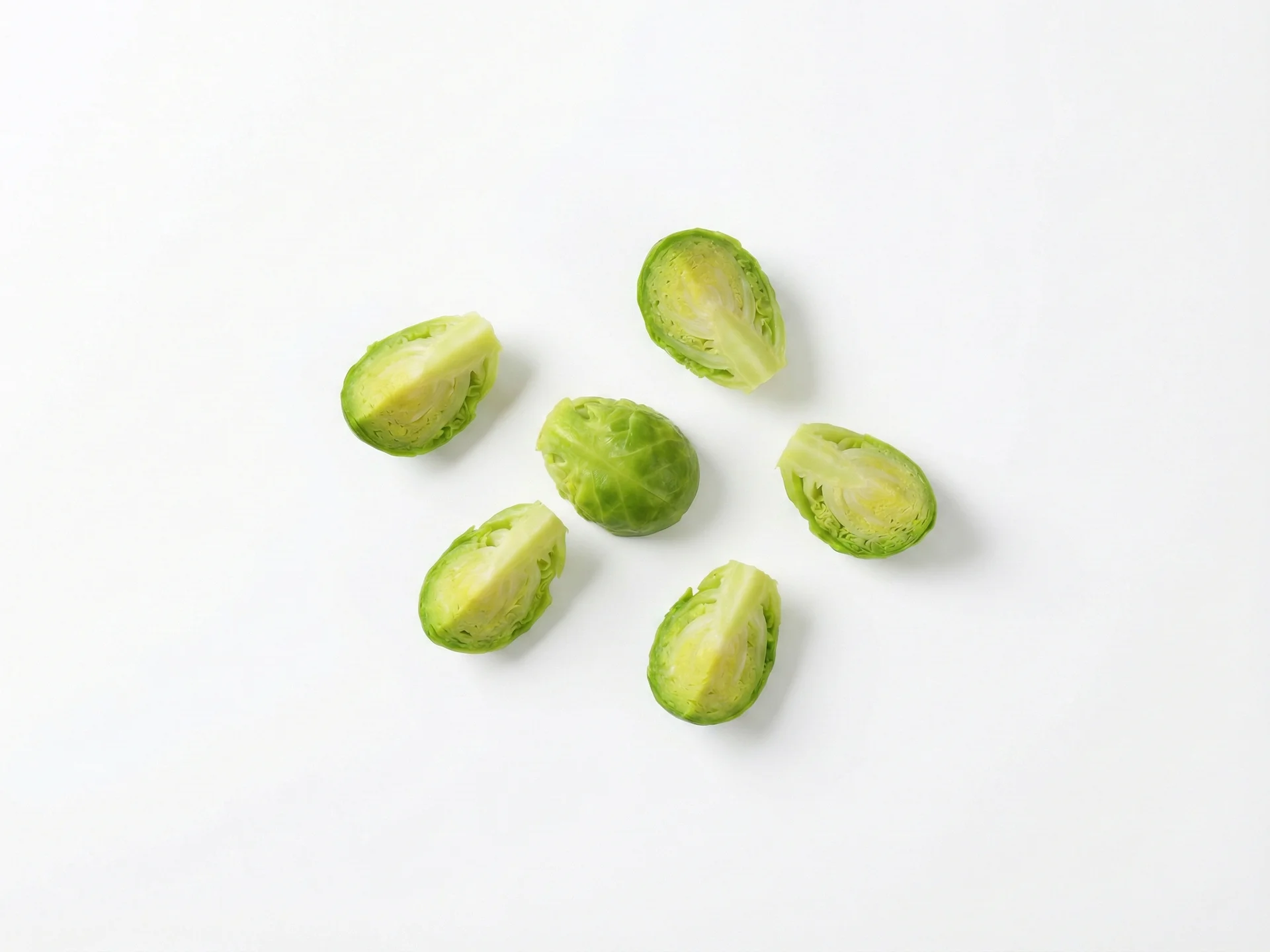
For babies 9-12 months, cook Brussels sprouts until soft but with a bit more texture. Cut them into small, pea-sized pieces or quarters to encourage self-feeding. You can lightly roast them with a touch of olive oil for added flavor, but avoid added salt.
9 to 12 months

For babies 9-12 months, cook Brussels sprouts until soft but with a bit more texture. Cut them into small, pea-sized pieces or quarters to encourage self-feeding. You can lightly roast them with a touch of olive oil for added flavor, but avoid added salt.

  • Cut sprouts into small, manageable pieces to reduce choking risk.
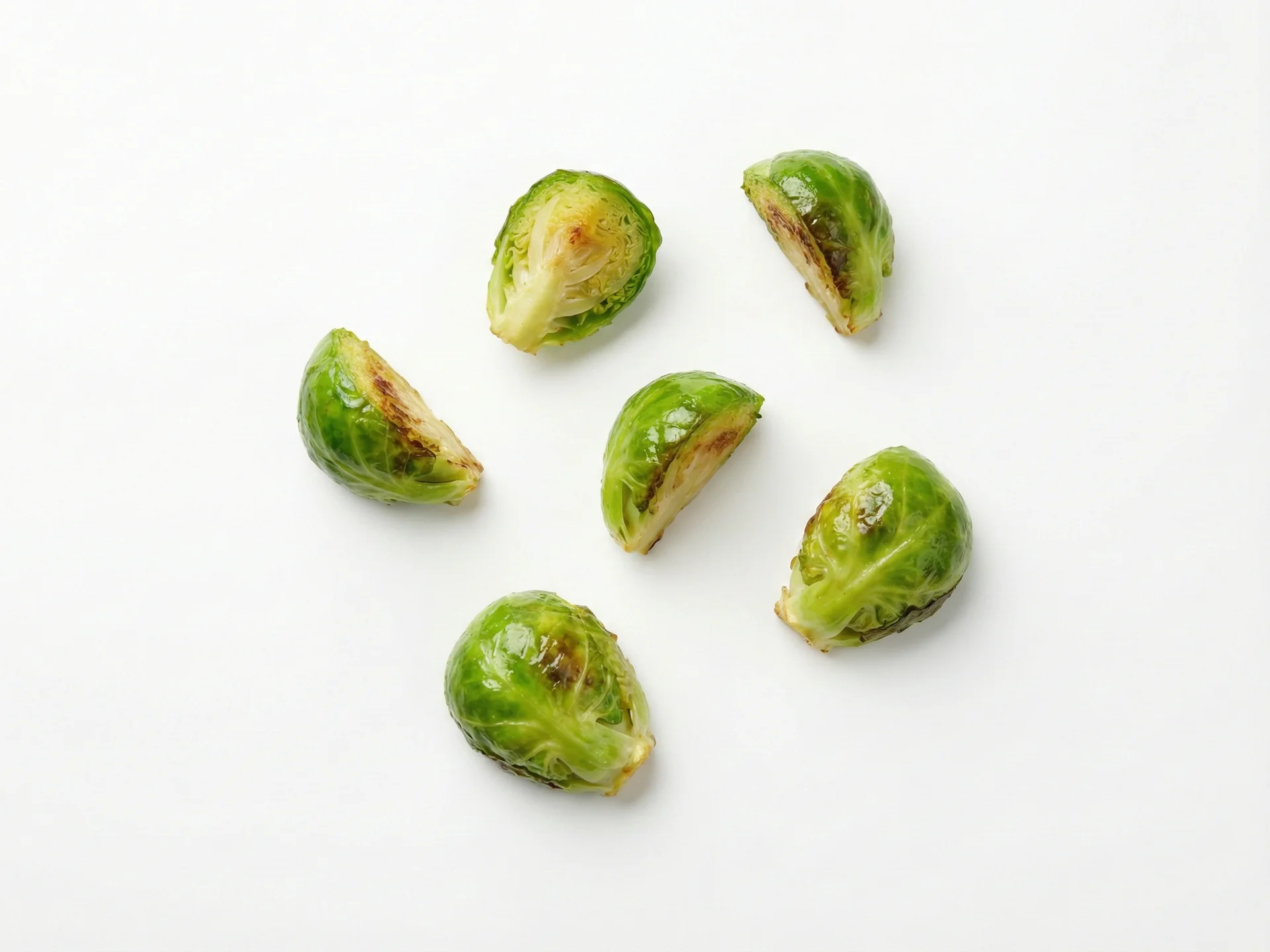
  • Roast with a drizzle of olive oil for a softer, sweeter flavor.
  • Mix with other soft vegetables like carrots or sweet potatoes.
  • Encourage pincer grasp by offering small pieces.
  • Always supervise during meals to ensure safe eating.
For toddlers 12 months and up, Brussels sprouts can be served with more texture and variety. Cook until tender but not mushy, and cut into bite-sized pieces. You can incorporate them into meals like stir-fries or pasta dishes, using mild seasonings if desired.
12 months +

For toddlers 12 months and up, Brussels sprouts can be served with more texture and variety. Cook until tender but not mushy, and cut into bite-sized pieces. You can incorporate them into meals like stir-fries or pasta dishes, using mild seasonings if desired.

  • Include sprouts in family meals to model healthy eating.
  • Try roasting with garlic or herbs for added flavor.
  • Cut into halves or quarters for easy chewing.
  • Pair with proteins like chicken or beans for a balanced meal.
  • Monitor for any signs of dislike and offer repeatedly to develop taste.

Safety & allergens

Choking risk: Medium

Brussels sprouts can be a choking hazard if served whole or in large pieces. Always cook until very soft and mash or puree for younger babies. For older babies, cut cooked sprouts into small, pea-sized pieces and supervise closely during meals.

Not a common allergen

Brussels Sprouts is not a top allergen. As with any new food, offer it on its own and watch for any reaction.

Vitamins & minerals

Brussels sprouts are a nutritional powerhouse for your little one. They're rich in vitamin C, which helps your baby absorb iron from other foods[3] and supports their immune system[1]. The vitamin K content contributes to healthy bone development[2], while the fiber helps support regular digestion.

Vitamins
Vitamin VITAMIN CVitamin VITAMIN KVitamin VITAMIN AVitamin VITAMIN B6Vitamin VITAMIN B9
Minerals
PotassiumIronManganesePhosphorus