FoodsFruitBlackberry
Blackberry

Fruit

Blackberry

Blackberries are a wonderful first fruit for your baby, offering a sweet-tart flavor and soft texture when prepared properly. They're packed with vitamin C, which supports your baby's immune system and helps their body absorb iron from other foods.[1] The antioxidants in blackberries also help protect your baby's developing cells.[2]

6m+Not a common allergenChoking risk: Medium
First age6m+
CategoryFruit
Common allergenNo
Choking riskMedium

When can babies eat Blackberry?

You can introduce blackberries around 6 months when your baby starts solids, as long as they're prepared safely to minimize choking risk.

How to serve Blackberry by age

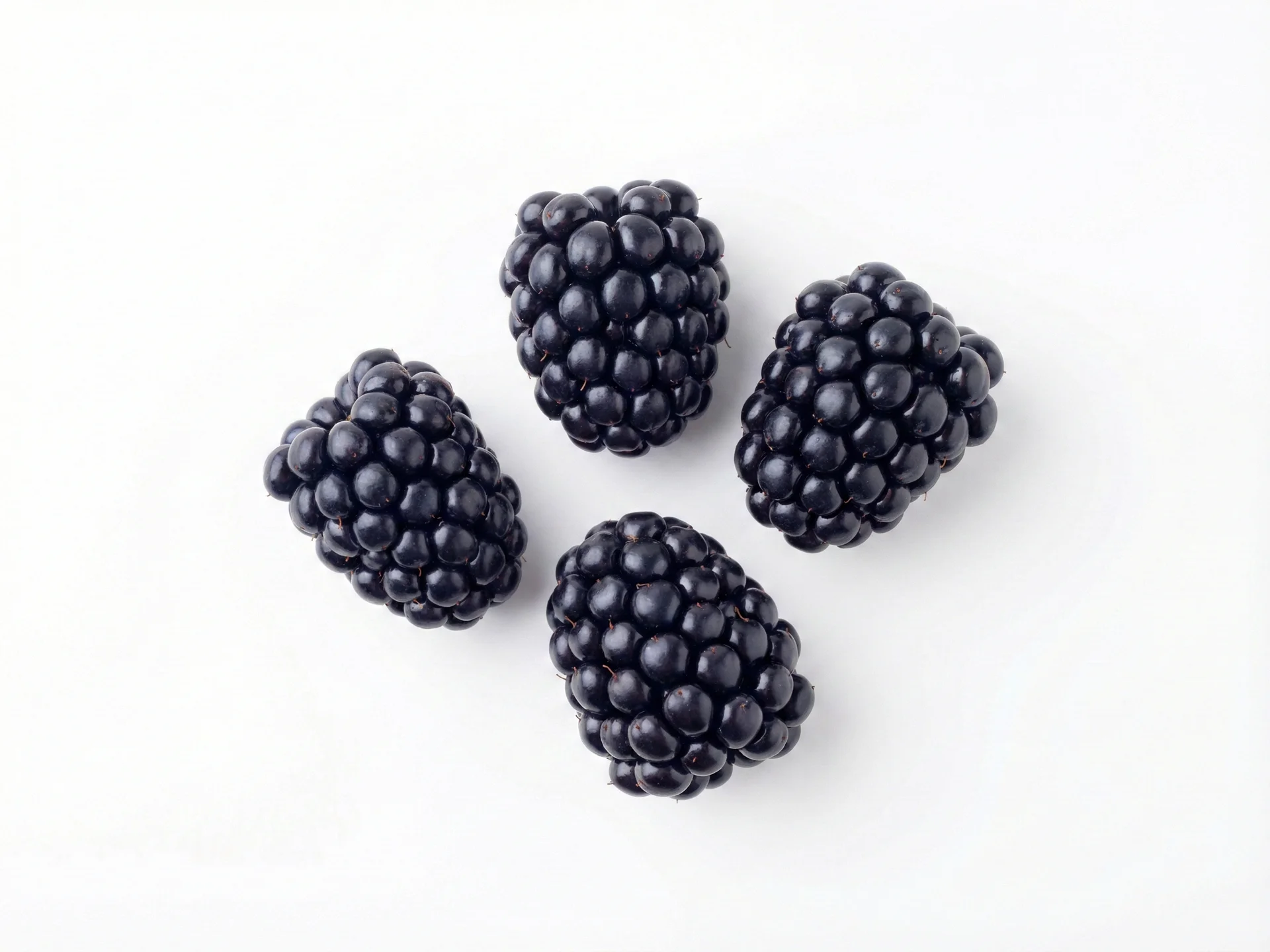
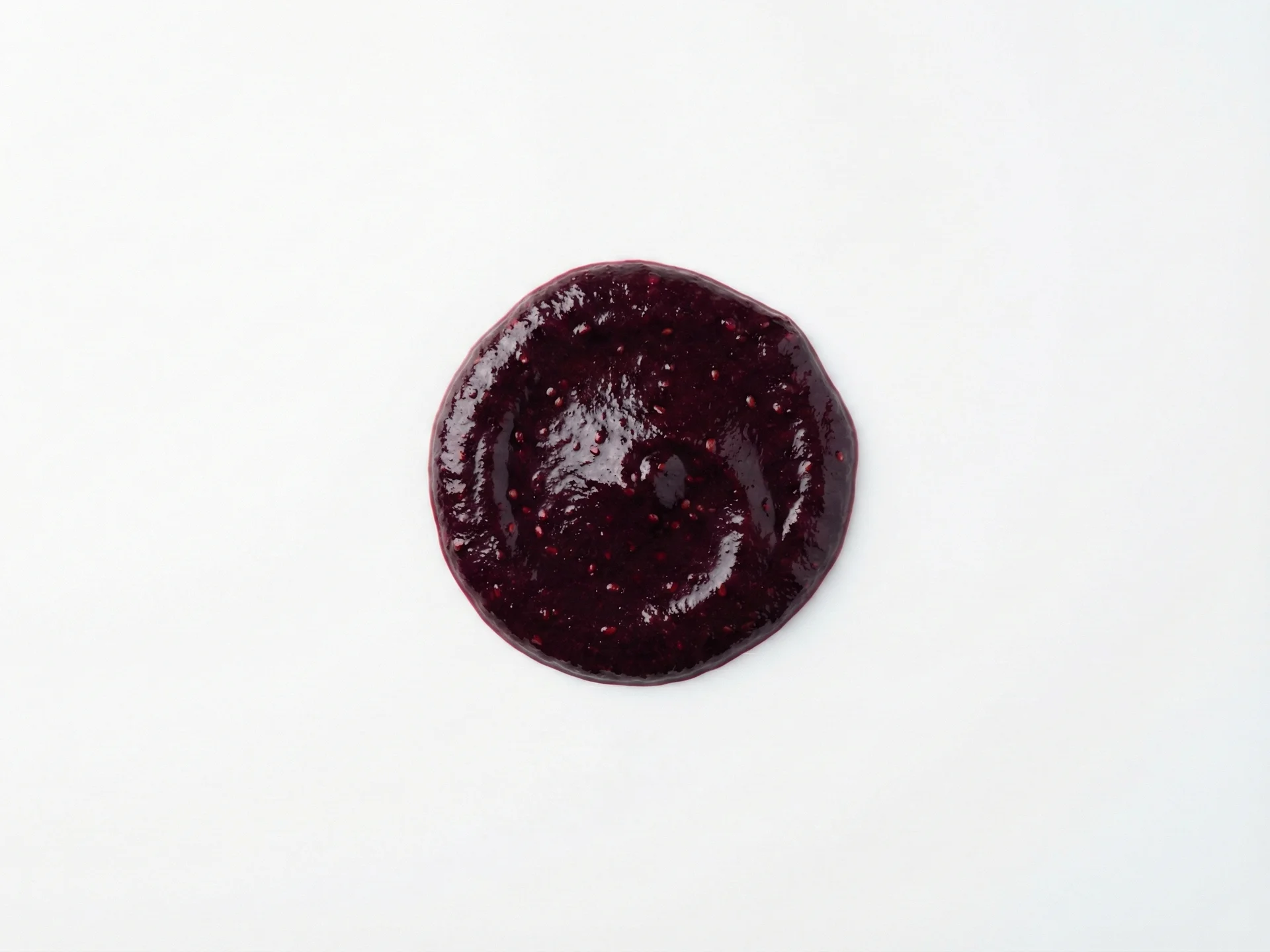
For beginners, mash blackberries thoroughly with a fork or flatten them with your fingers to create a soft, spreadable texture. You can spread this on toast strips or offer it on a pre-loaded spoon. The berries should be very ripe and soft enough to squish easily between your fingers.
6 to 9 months

For beginners, mash blackberries thoroughly with a fork or flatten them with your fingers to create a soft, spreadable texture. You can spread this on toast strips or offer it on a pre-loaded spoon. The berries should be very ripe and soft enough to squish easily between your fingers.

  • Choose very ripe, dark berries that yield to gentle pressure
  • Mash completely to eliminate round shapes
  • Mix with oatmeal or yogurt to create a thicker consistency
  • Offer on a resistive food like a thick toast strip for easier gripping
  • Monitor closely as babies learn to manage the seedy texture
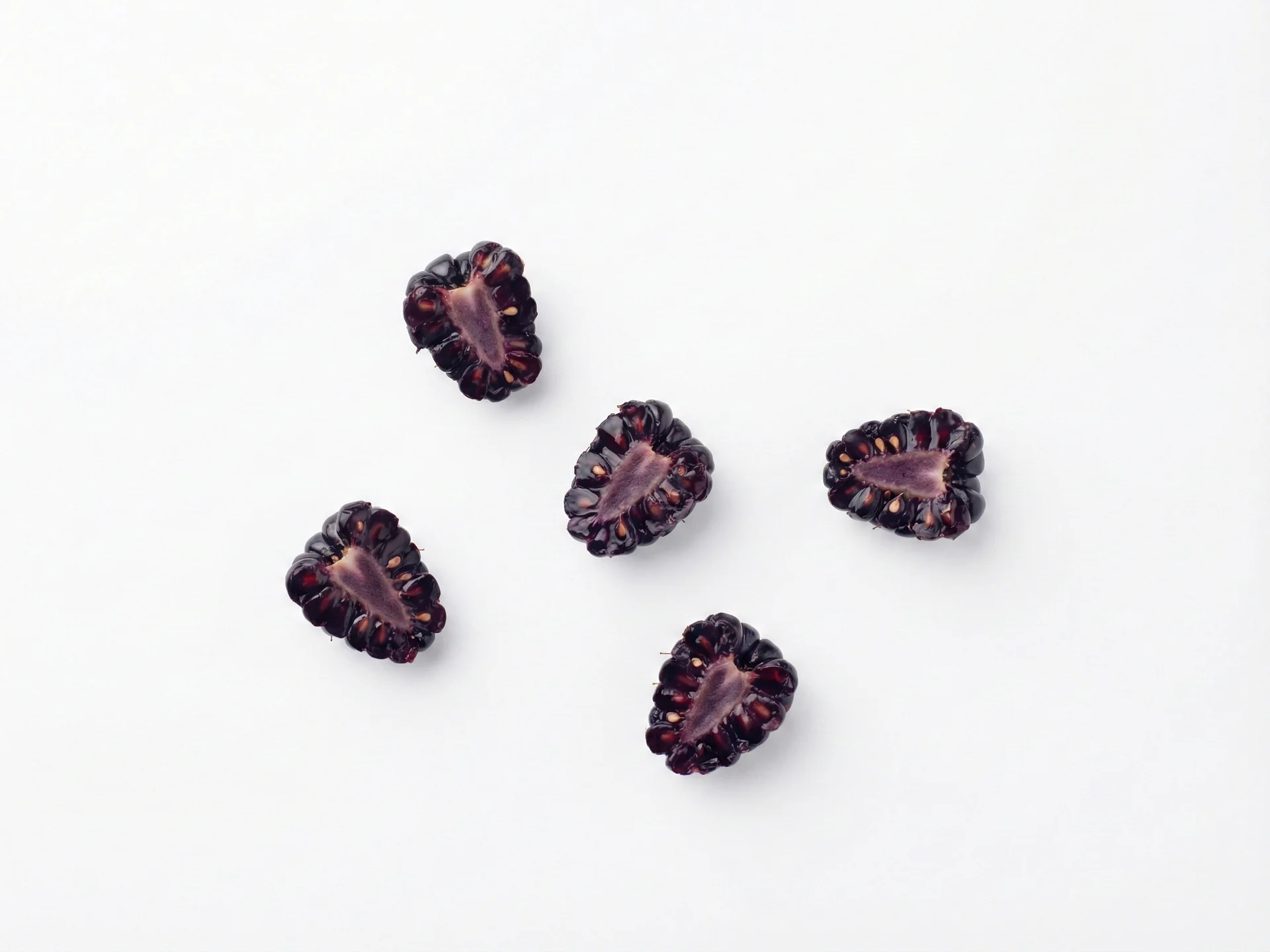
As your baby develops a pincer grasp, offer quartered or halved blackberries that have been slightly flattened. You can also offer whole berries that are very soft and large, but always supervise closely. The berries should still be ripe and easily mashed between gums.
9 to 12 months

As your baby develops a pincer grasp, offer quartered or halved blackberries that have been slightly flattened. You can also offer whole berries that are very soft and large, but always supervise closely. The berries should still be ripe and easily mashed between gums.

  • Quarter berries lengthwise to create wedge shapes
  • Flatten each piece slightly with your fingers
  • Combine with other soft fruits in a fruit salad
  • Freeze mashed blackberries in silicone molds for soothing teething treats
  • Encourage self-feeding with a bowl of berry pieces
Toddlers can handle whole blackberries if they're soft and your child has mature chewing skills. Continue to choose ripe berries and consider cutting larger ones in half. Blackberries can now be incorporated into pancakes, muffins, or smoothies for varied exposure.
12 months +

Toddlers can handle whole blackberries if they're soft and your child has mature chewing skills. Continue to choose ripe berries and consider cutting larger ones in half. Blackberries can now be incorporated into pancakes, muffins, or smoothies for varied exposure.

  • Offer whole berries alongside other finger foods
  • Incorporate into baked goods for added nutrition
  • Make blackberry sauce for drizzling on proteins or grains
  • Create fun patterns or shapes with berries on the plate
  • Involve your toddler in washing and selecting berries

Safety & allergens

Choking risk: Medium

Whole blackberries and large pieces can be choking hazards due to their round shape and seeds. Always mash, puree, or cut them into small pieces appropriate for your baby's age and chewing ability. The seeds are small but can be a texture concern for some babies.

Not a common allergen

Blackberry is not a top allergen. As with any new food, offer it on its own and watch for any reaction.

Vitamins & minerals

Blackberries provide vitamin C, which is essential for immune function and helps your baby absorb iron from plant-based foods.[1] They also contain vitamin K for healthy blood clotting[3] and manganese, which supports bone development and metabolism.[4] The fiber in blackberries (about 5.3g per 100g) can help support healthy digestion.

Vitamins
Vitamin VITAMIN CVitamin VITAMIN KVitamin VITAMIN EVitamin VITAMIN B9
Minerals
ManganeseCopperPotassiumMagnesium